


Spring Pest Prevention Checklist for Tracy, CA Homeowners
Spring pest prevention Tracy CA starts in February, not March. Tracy homeowners who skip February prep work face 40% higher pest activity by April when Argentine ant super-colonies mobilize.
Key Takeaways:
- Refresh ant bait stations by February 15th, 68% of spring infestations start with expired gel baits from last season
- Complete perimeter inspection for 1/4-inch gaps before March rains drive rodents indoors seeking dry shelter
- Reduce irrigation frequency by 30% in February to eliminate surface moisture that triggers Argentine ant foraging
10-Item Spring Pest Prevention Checklist for Tracy Homes
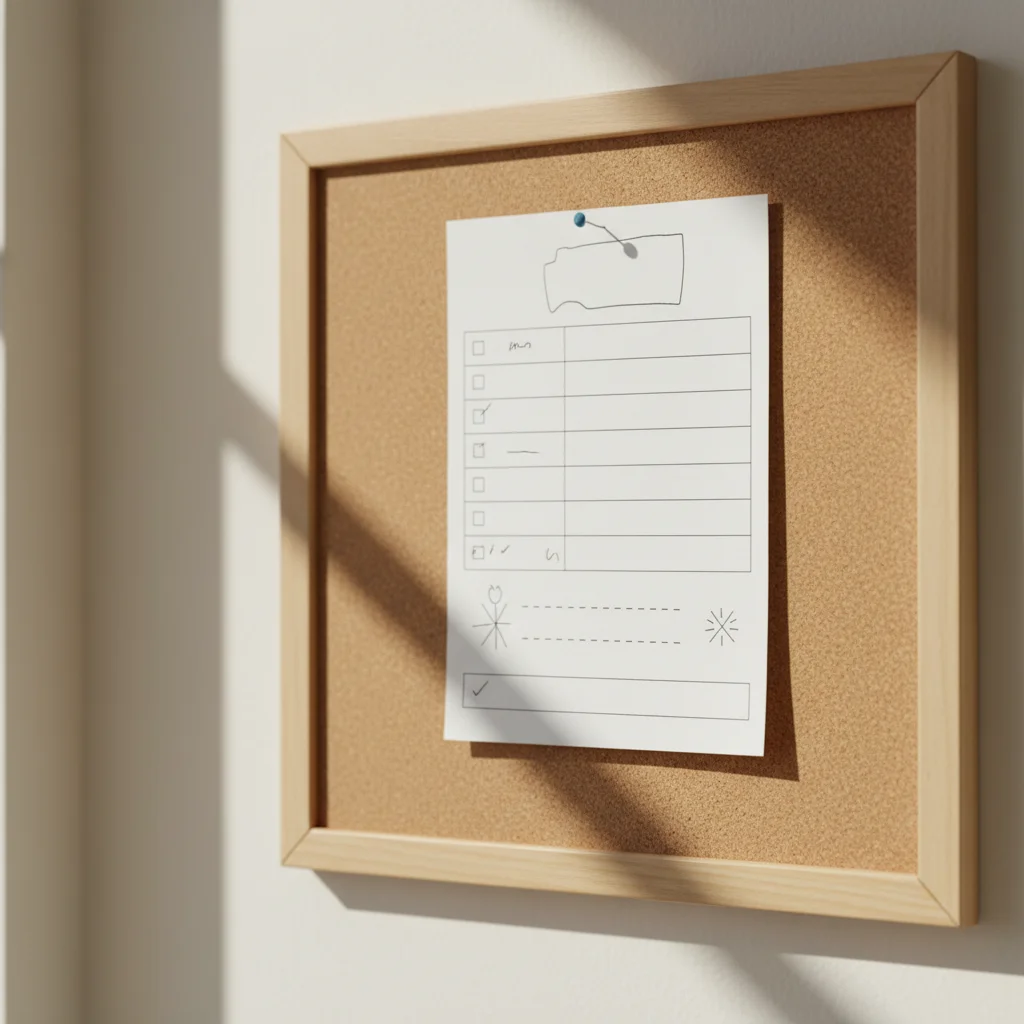
Spring pest prevention protocol requires ten specific actions completed before March 1st. Each step targets the biological patterns of Tracy’s dominant pests. Here’s your February action list:
Replace all ant bait stations with fresh gel by February 15th. Old bait loses potency after 6 months in Central Valley heat.
Inspect foundation perimeter for cracks wider than 1/4-inch. Document locations with photos for repair scheduling.
Check garage door seals for gaps at ground level. Rodents enter through spaces the width of a pencil.
Clear vegetation 18 inches from home exterior walls. Dense plantings create pest highways to your foundation.
Verify crawl space vents have intact screens. Damaged screens allow rodent access to subflooring.
Test sprinkler system zones and reduce watering frequency by 30%. Surface moisture activates Argentine ant foraging behavior.

Seal utility penetrations where pipes and cables enter walls. Use steel wool followed by expanding foam.
Clean gutters and ensure proper drainage away from foundation. Standing water creates ant breeding conditions.
Schedule perimeter barrier treatment application for early March. Professional non-repellent transfer spray prevents colony expansion.
Document current pest activity levels with dated photos. This baseline helps measure treatment effectiveness.
This protocol works because it targets pest biology before seasonal reproduction peaks. February 15th represents your maximum effectiveness deadline for bait station placement.
When Should You Refresh Ant Bait Stations Before Spring?
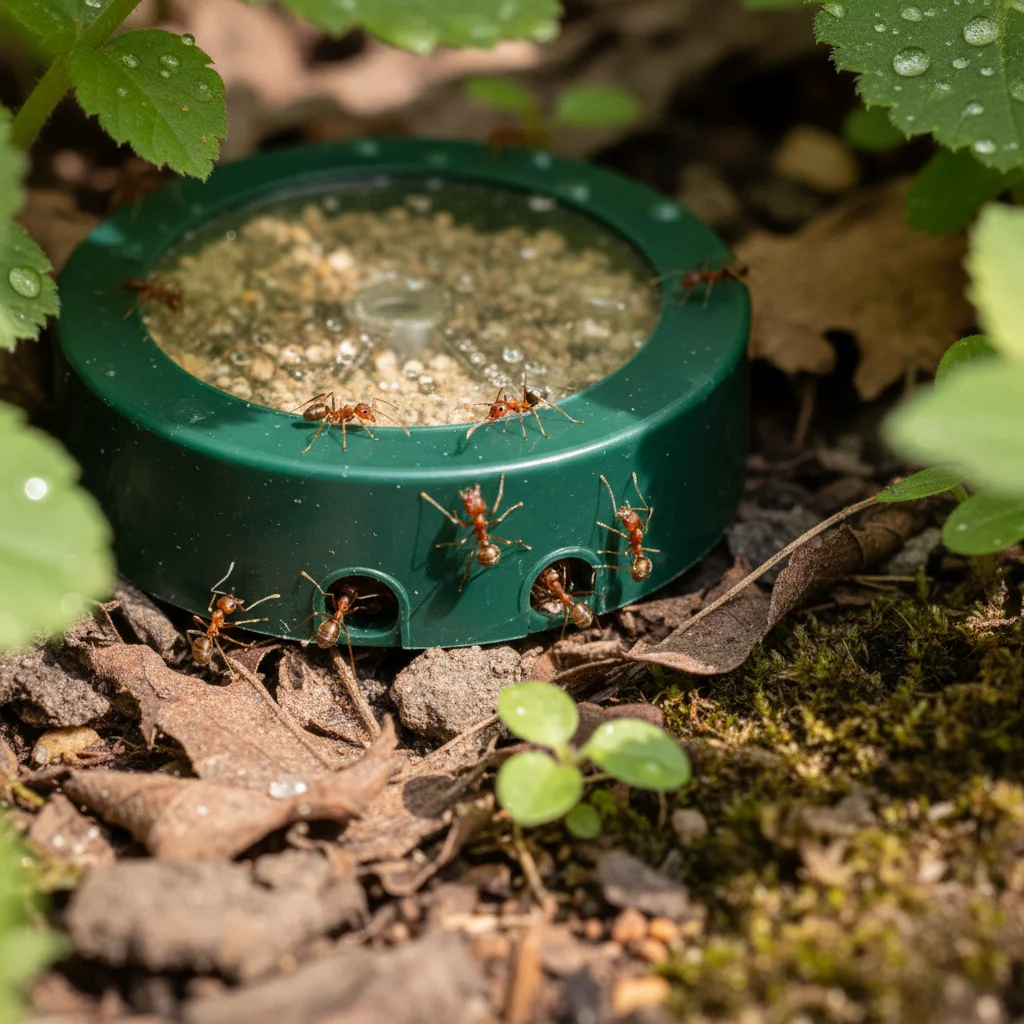
Ant bait station refresh timing determines Argentine ant control success. This means replacing gel baits every 6 months prevents colony expansion during peak foraging periods.
Argentine ant super-colonies remain active year-round in Tracy’s mild climate. Worker ants test bait palatability before sharing food with reproductive castes. Degraded bait gets ignored, allowing colonies to establish satellite nests throughout your property.
Gel baits lose effectiveness after 180 days due to temperature fluctuations and moisture exposure. Central Valley heat accelerates chemical breakdown, making 8-month-old bait useless against established colonies.
Professional treatment combines fresh bait stations with non-repellent transfer spray around colony entry points. The spray doesn’t kill contact insects immediately, allowing contaminated workers to return and spread active ingredients throughout the colony structure.
Timing matters because Argentine ant reproduction peaks from March through May. Colonies that survive February baiting efforts multiply rapidly when spring moisture creates ideal foraging conditions.
Tracy’s Pre-Spring Pest Calendar: What Happens When?

Seasonal pest activity peaks during specific months based on temperature thresholds and moisture availability. Tracy’s microclimate creates predictable emergence patterns:
| Month | Primary Pest Activity | Action Required |
|---|---|---|
| February | Argentine ant scouts test new territories | Refresh bait stations, reduce irrigation |
| March | Termite swarmer emergence begins | Schedule inspection, seal wood-to-soil contact |
| April | Rodent breeding season peaks | Complete exclusion work, monitor bait stations |
| May | Wasp colony establishment | Remove overwintering queens, seal attic vents |
Argentine ant super-colonies become most active when soil temperatures reach 60°F consistently. This threshold occurs in Tracy during the third week of February, triggering scout ant dispersal to new feeding areas.
The March 15-April 30 termite swarmer window represents Tracy’s highest risk period for new infestations. Swarmers emerge after rainfall when soil moisture reaches 25% at 6-inch depth.
Spring irrigation schedules create surface moisture that activates dormant pest populations. Clay soil common in Tracy retains water near foundations, creating ideal conditions for multiple pest species simultaneously.
How Do You Inspect for Rodent Entry Points This February?
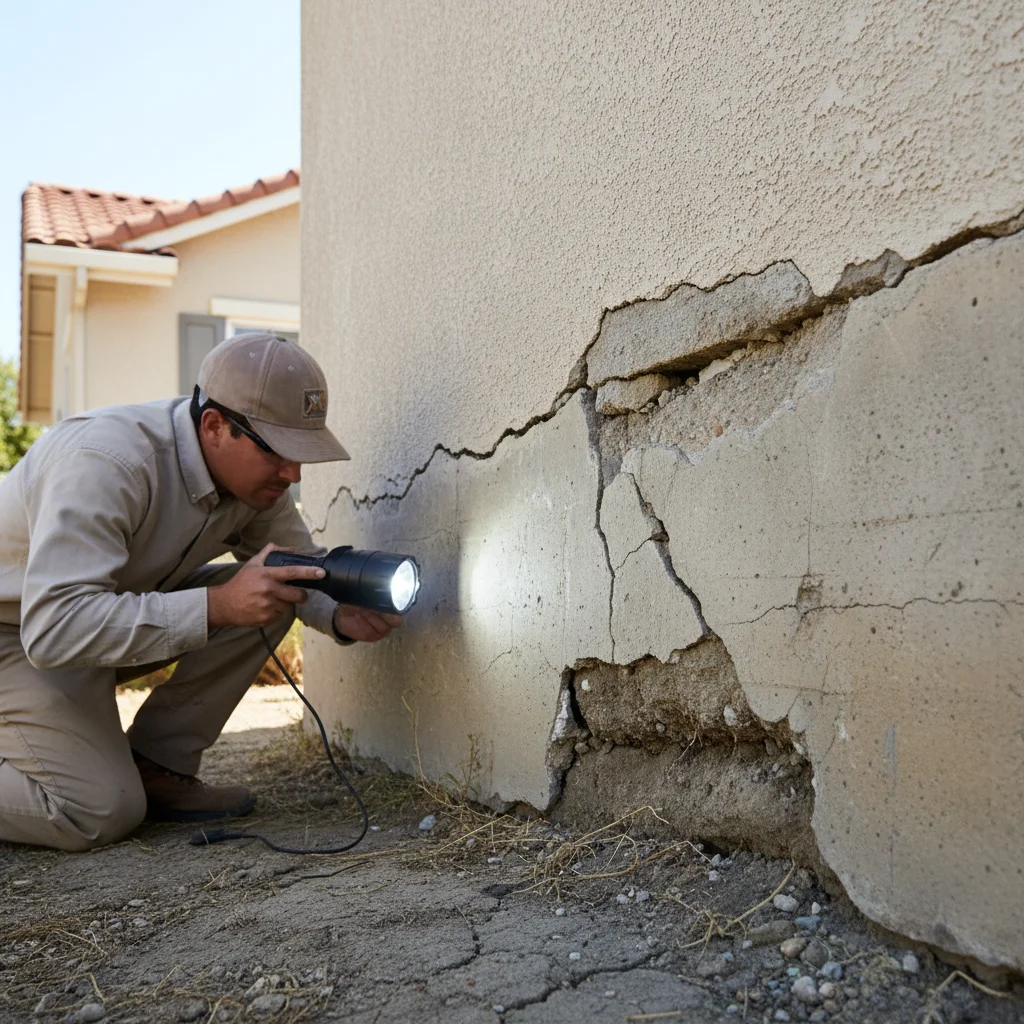
Perimeter inspection identifies rodent entry vulnerabilities before March rains drive animals indoors seeking dry shelter. Follow this systematic protocol:
Walk the entire foundation perimeter with a flashlight during daylight hours. Check for holes, cracks, or gaps larger than 1/4-inch.
Examine all utility penetrations where pipes, cables, or conduits enter walls. Rodents exploit gaps around plumbing and electrical connections.
Test garage door seals by closing the door and looking for light gaps at ground level. Any visible light indicates rodent access points.
Inspect crawl space vents, dryer vents, and attic ventilation for damaged screens or missing covers. Torn screening allows multiple pest species entry.
Document findings with photos and measurements. This creates a repair priority list for contractors.
Integrated pest management requires addressing structural vulnerabilities alongside chemical treatments. Exclusion work prevents new infestations while baiting eliminates existing populations.
The 1/4-inch gap threshold comes from rodent skeletal compression ability. Mice can squeeze through spaces the diameter of a pencil, making thorough sealing critical for long-term control.
Why Does Irrigation Timing Matter for Argentine Ant Prevention?
Irrigation adjustment reduces Argentine ant foraging conditions by eliminating surface moisture that triggers colony expansion. Tracy’s clay soil retains water near foundations, creating ant highways between outdoor colonies and indoor food sources.
| Irrigation Frequency | Surface Moisture Duration | Ant Activity Level |
|---|---|---|
| Daily watering | 16-18 hours | High – continuous foraging |
| Every other day | 8-10 hours | Moderate – intermittent trails |
| Twice weekly | 4-6 hours | Low – minimal surface activity |
Argentine ant super-colonies require consistent moisture for brood development and food transport. Workers follow moisture gradients to locate water sources, establishing permanent trails to reliable irrigation zones.
Reducing irrigation frequency by 30% in February disrupts established foraging patterns before spring reproduction peaks. This timing prevents satellite colony establishment in moisture-rich landscape areas.
Clay soil drainage patterns concentrate water along foundation edges where sprinkler overspray accumulates. These zones become primary ant nesting sites when moisture persists for 12+ hours daily.
Surface ant activity decreases 60% when irrigation schedules maintain soil moisture below 20% at the 2-inch depth. Deep watering twice weekly achieves better plant health while reducing pest pressure.
Frequently Asked Questions
What happens if I skip the February pest prevention checklist?
Properties that skip February prep see 40% higher pest activity by April. Argentine ant colonies establish multiple satellite nests when early moisture creates ideal conditions. March corrections require professional intervention and cost 3x more than February prevention.
Do I need professional help for spring pest prevention in Tracy?
Most checklist items work as DIY tasks, but perimeter barrier treatment requires licensed application. Complex infestations need integrated pest management protocols that homeowners can’t replicate. Professional treatment provides warranty coverage for recurring problems.
When do gopher mounds appear after winter rains in Tracy?
Fresh gopher mounds surface 2-3 weeks after heavy rainfall when soil softens. February surveys catch new activity before breeding season peaks in March. Early detection prevents extensive tunnel systems that damage irrigation lines and plant roots.