
Essential Guide to Termite Inspection Tracy CA Service – Real Estate & Annual Inspections
Termite inspection Tracy CA requirements catch most homeowners off guard when their VA loan officer drops the bad news: that free pest control quote won’t satisfy your lender.
Key Takeaways:
- VA loan termite inspections require official WDO reports ($75-$150), not standard pest estimates
- Section 1 findings force treatment before loan approval, while Section 2 items are recommendations only
- CA Structural Pest Control Board licensing determines which inspectors can issue legally binding reports
What’s the Difference Between Standard Pest Inspections and WDO Reports?

A WDO inspection report is an official document created by CA Structural Pest Control Board licensed operators for real estate transactions. This means it carries legal weight that standard pest inspection estimates cannot match.
Most pest control companies offer free inspections to win your business. They’ll walk your property, point out problems, and hand you a treatment quote. But VA lenders won’t accept these estimates because they lack regulatory backing.
| Feature | Standard Pest Inspection | WDO Inspection Report |
|---|---|---|
| Cost | Free with treatment quote | $75-$150 standalone |
| Legal status | Marketing tool | Official regulatory document |
| Inspector licensing | Varies by company | CA Structural Pest Control Board required |
| Real estate acceptance | Not accepted by lenders | Required for VA loans |
| Documentation detail | Basic problem list | Standardized Section 1/2 format |
The CA Structural Pest Control Board requires specific training and licensing for inspectors who issue WDO reports. Your neighbor’s pest guy might know termites inside and out, but if he lacks the proper license, his opinion won’t close your loan.
Free inspections work fine for homeowners planning their own termite control treatments. But when you’re buying or selling property with VA financing, only a licensed WDO report will satisfy your lender’s requirements.
Do VA Loans Always Require Termite Inspections in Tracy?
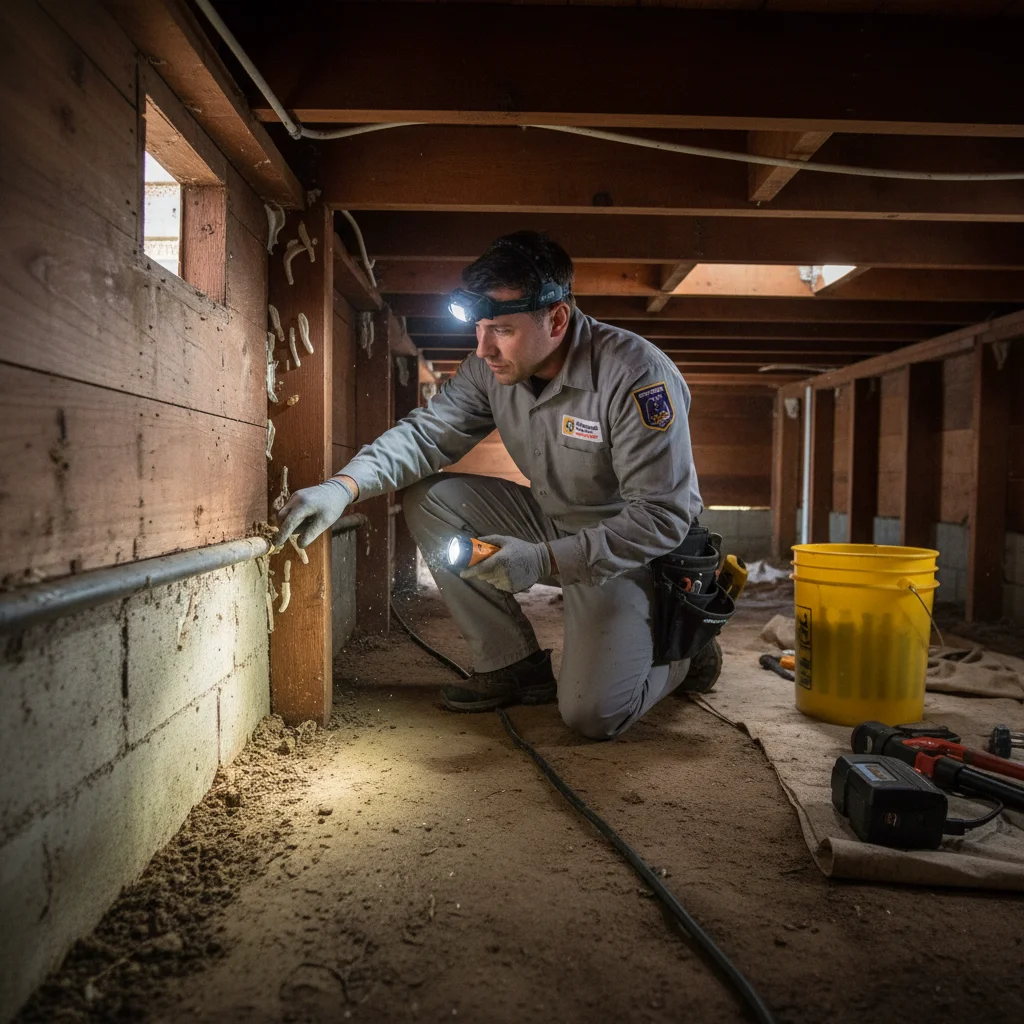
VA loan termite inspection requirement is a mandatory condition for all California properties due to the state’s moderate to heavy termite infestation probability ratings. This means every VA-financed home purchase in Tracy must include a WDO inspection report before closing.
Tracy’s location attracts many military families commuting to nearby bases, making VA loans common in the local real estate market. The Department of Veterans Affairs doesn’t make exceptions for newer homes or properties with recent treatments. Every VA loan needs that inspection.

The VA requires termite inspections in all California counties because both subterranean termite and drywood termite species cause significant structural damage here. Tracy’s climate and soil conditions create perfect breeding grounds for subterranean termites, while the area’s older housing stock provides plenty of targets for drywood termites.
Inspections must occur within a specific timeline before closing. Most lenders require WDO reports dated within 30-60 days of the loan funding date. This prevents sellers from using outdated inspections that might miss new infestations or damage.
Waiving termite inspections isn’t an option with VA financing. Even if you’re buying new construction, the lender still requires the inspection. The only variable is timing and who pays for any required treatments.
What Do Termite Inspectors Actually Look for During Tracy Inspections?
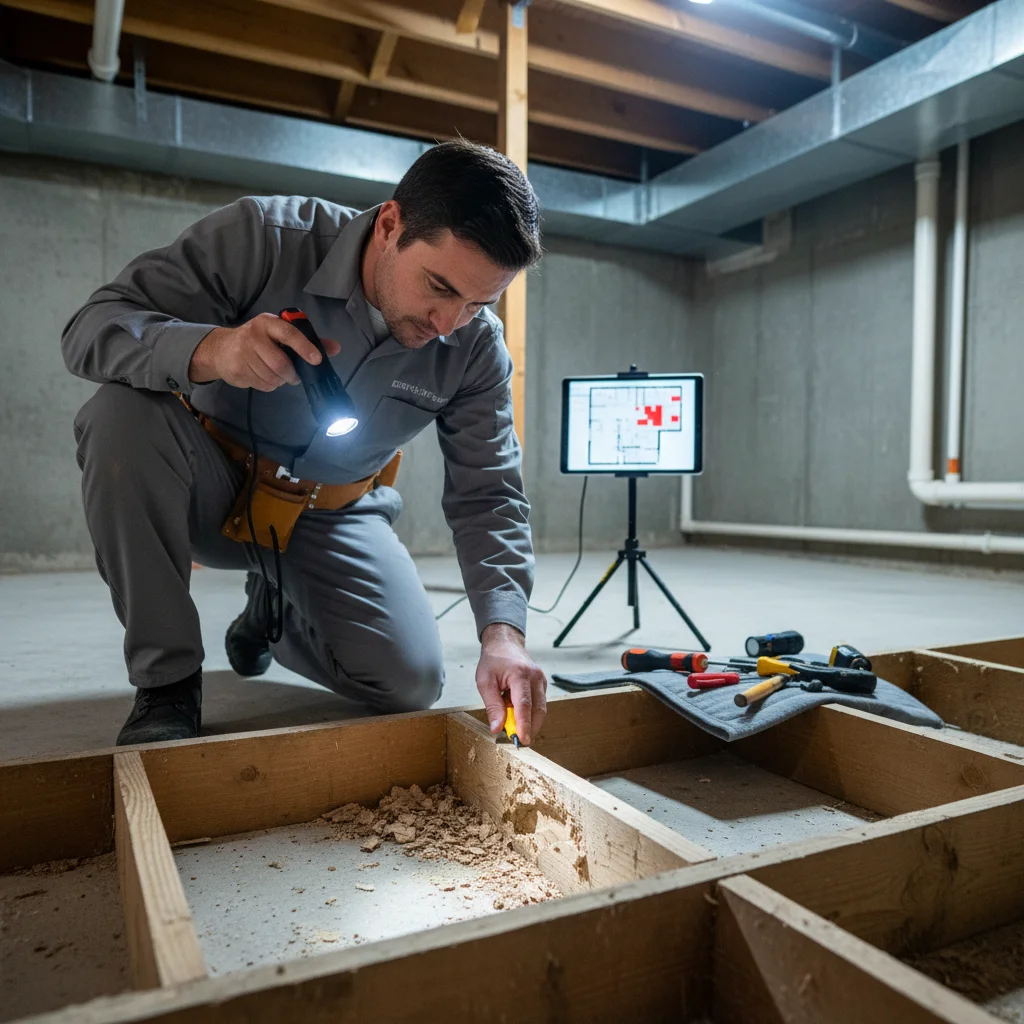
Termite inspectors examine specific property areas and evidence using standardized protocols. This means every inspection follows the same systematic approach to identify active infestations, structural damage, and conditions that encourage future problems.
The standard termite inspection covers 15-20 specific areas including foundation perimeter, attic spaces, and moisture-prone zones. Here’s what inspectors target:
- Subterranean termite mud tubes along foundation walls, pier blocks, and plumbing penetrations where soil meets wood structures
- Drywood termite frass (pellet-shaped droppings) in window sills, door frames, and areas below exposed wood beams
- Damaged wood structures including floor joists, support beams, window frames, and door jambs showing hollowed-out galleries
- Moisture problems in crawl spaces, around plumbing leaks, and near HVAC systems that create conducive conditions
- Access points where earth-to-wood contact allows subterranean termites to reach structural lumber
- Previous treatment evidence including old bait stations, soil treatment records, and repair work that might hide ongoing problems
Inspectors use flashlights, moisture meters, and probing tools to examine hidden areas. They’ll crawl through tight spaces, climb into attics, and check every accessible area where termites might establish colonies.
Integrated pest management principles guide the inspection process. Inspectors don’t just look for active termites – they evaluate the entire property for conditions that support infestations. This includes poor ventilation, wood debris, and structural issues that create termite-friendly environments.
A thorough inspection takes 45-90 minutes depending on property size and access challenges. Rush jobs miss critical evidence, so expect inspectors to spend adequate time in each area.
Section 1 vs Section 2 Findings: What Each Category Means for Your Sale
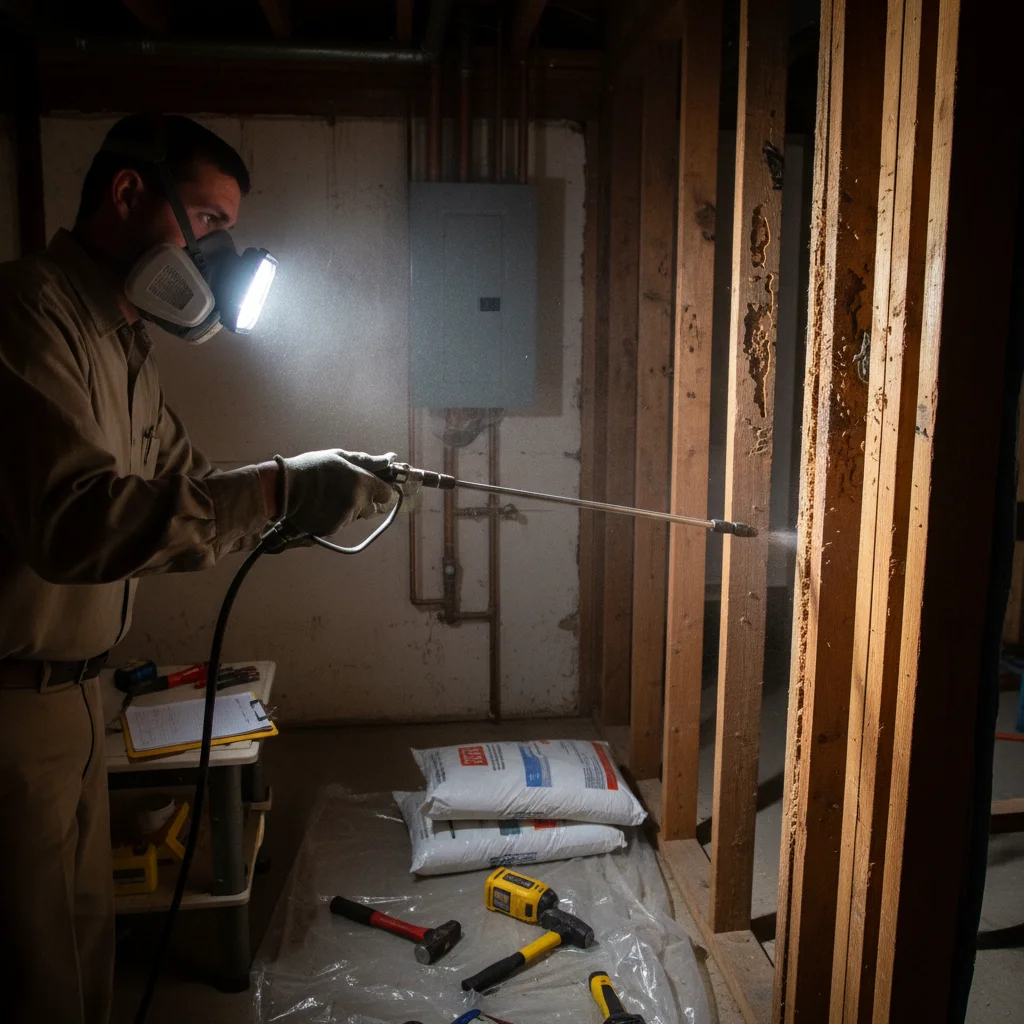
Section 1 findings require treatment before loan approval because they represent active infestations or structural damage. This means you cannot close your VA loan until these problems are resolved and re-inspected.
| Finding Type | Section 1 (Required Treatment) | Section 2 (Recommendations) |
|---|---|---|
| Definition | Active infestation or structural damage | Conducive conditions without current damage |
| Treatment requirement | Must complete before closing | Optional improvements |
| Payment responsibility | Typically seller (negotiable) | Usually buyer (if desired) |
| Closing impact | Delays loan until resolved | No impact on loan approval |
| Re-inspection needed | Yes, after treatment completion | No |
Section 1 findings appear in 23% of Tracy home inspections based on regional pest control data. Common Section 1 issues include live termite colonies, damaged floor joists, and compromised structural members that need immediate attention.
Section 2 findings are recommendations that won’t block your loan. These might include minor moisture problems, old termite damage that’s been previously treated, or preventive suggestions like removing wood debris from crawl spaces.
The CA Structural Pest Control Board requires inspectors to categorize every finding correctly. Inspectors can’t downgrade Section 1 problems to Section 2 status just to help a sale proceed. The categorization follows strict regulatory guidelines.
Who pays for Section 1 work varies by purchase contract negotiation. Sellers typically handle Section 1 treatments because buyers usually won’t accept known infestations. But this isn’t automatic – check your purchase agreement for specific termite contingency language.
Section 2 work rarely affects closing timelines. Buyers can choose to address these recommendations after closing or negotiate with sellers for credits to handle the work later.
How Much Do Termite Inspections Cost in Tracy CA?
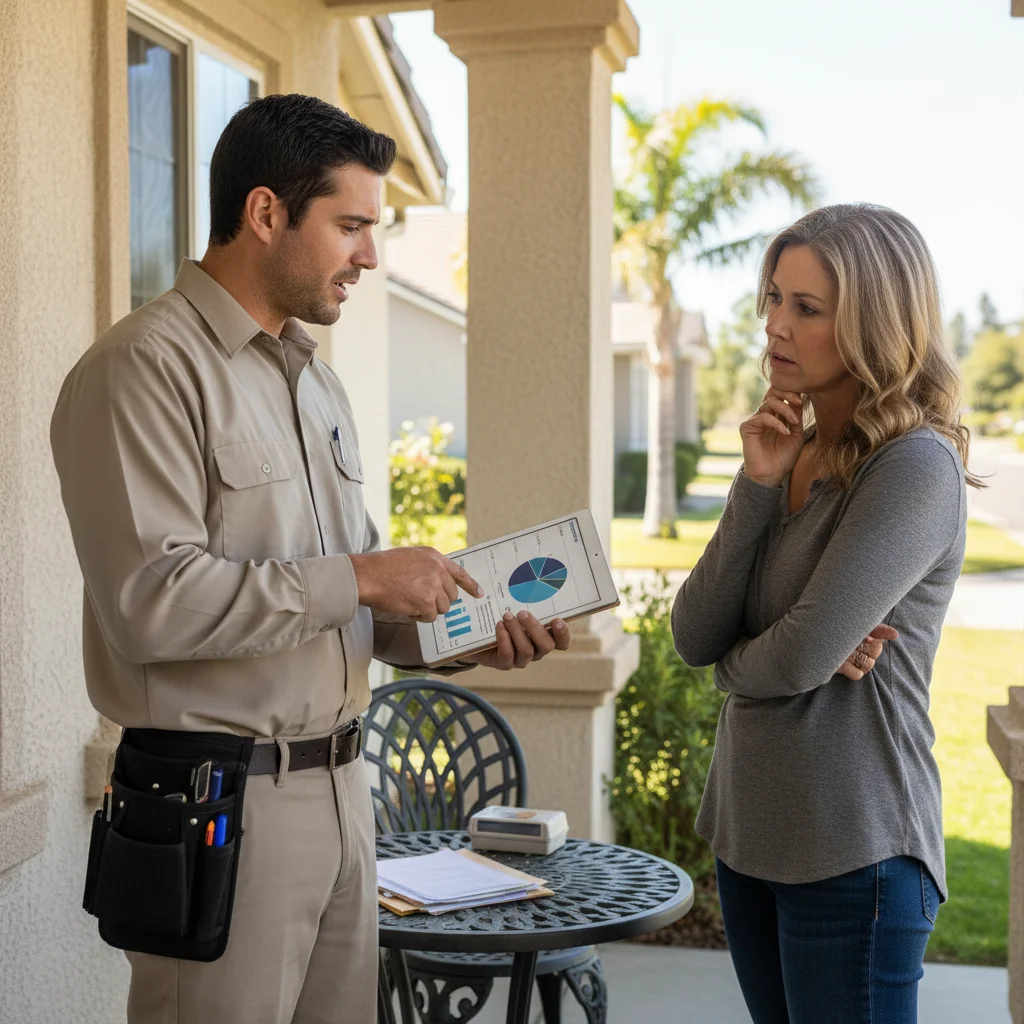
Termite inspection cost ranges from $75 to $150 in Tracy for official WDO reports required by VA lenders. Standard inspections offered by pest control companies are typically free, but these marketing tools won’t satisfy loan requirements.
Property size affects inspection pricing significantly. Larger Tracy properties over 2,500 square feet typically cost closer to the higher end because inspectors need more time to examine additional areas. Single-story homes under 1,500 square feet usually fall toward the lower price range.
Access difficulty increases costs when inspectors face challenging crawl spaces, locked areas, or properties with limited entry points. Some Tracy homes built on hillsides or with unusual construction require extra time and equipment, pushing prices higher.
Many pest control companies offer “free” inspections bundled with treatment contracts. This works if you’re planning immediate treatment, but creates problems for real estate transactions. VA lenders require independent WDO reports from licensed inspectors, not quotes from companies trying to sell you services.
Paying for inspection separately gives you flexibility to shop for treatment if problems are found. You’re not locked into using the same company for both inspection and treatment, which often saves money on the actual pest control work.
Some inspectors offer package deals combining WDO reports with related services like pest control inspections or wood-destroying organism surveys. These bundles can provide value if you need multiple inspection types for your transaction.
When Should Tracy Homeowners Schedule Annual vs Pre-Sale Inspections?

Annual termite inspection prevents costly pre-sale surprises by catching problems early when treatment options are less expensive and time-consuming. This means you avoid discovering major infestations during rushed real estate transactions.
Here’s the smart timing approach:
- Schedule annual inspections in late winter or early spring when termite activity increases but before peak swarming season hits Tracy properties
- Book pre-sale inspections 30-45 days before listing to allow adequate time for treatment and re-inspection without delaying potential buyers
- Plan follow-up inspections 12 months after any treatment to verify that subterranean termite or drywood termite problems haven’t returned to treated areas
- Consider seasonal factors unique to Tracy’s climate including late spring swarming activity and winter moisture conditions that create conducive environments
- Document inspection results and treatments to show potential buyers that you’ve maintained the property and addressed any termite issues proactively
Integrated pest management principles suggest regular monitoring works better than reactive treatments. Annual inspections cost $75-$150 but can prevent thousands in emergency treatment and structural repair costs.
Pre-sale timing matters more than most sellers realize. Discovering Section 1 termite damage after accepting an offer creates stress for everyone. Treatment delays can push closing dates and sometimes kill deals when buyers lose confidence or financing.
Early detection saves money because smaller infestations require less extensive treatment. A few mud tubes found during annual inspection might need only localized soil treatment, while ignoring the problem for years could require whole-house fumigation.
Seasonal considerations affect inspection accuracy. Tracy’s dry summers might hide subterranean termite activity that becomes obvious during winter moisture periods. Spring inspections catch swarming evidence before it disappears.
Frequently Asked Questions
Can I use any pest control company for my VA loan termite inspection?
No. VA loans require inspections from CA Structural Pest Control Board licensed operators who can issue official WDO reports. Many pest control companies offer free inspections but cannot provide the legally binding documentation VA lenders require.
How long does a termite inspection take in a typical Tracy home?
A thorough termite inspection takes 45-90 minutes depending on property size and accessibility. Inspectors must examine crawl spaces, attics, basements, and exterior perimeter areas to complete the required documentation.
What happens if my termite inspection finds Section 1 damage?
Section 1 findings must be treated before VA loan approval. The seller typically pays for Section 1 work, but this varies by contract negotiation. Treatment can delay closing by 1-2 weeks while work is completed and re-inspected.