
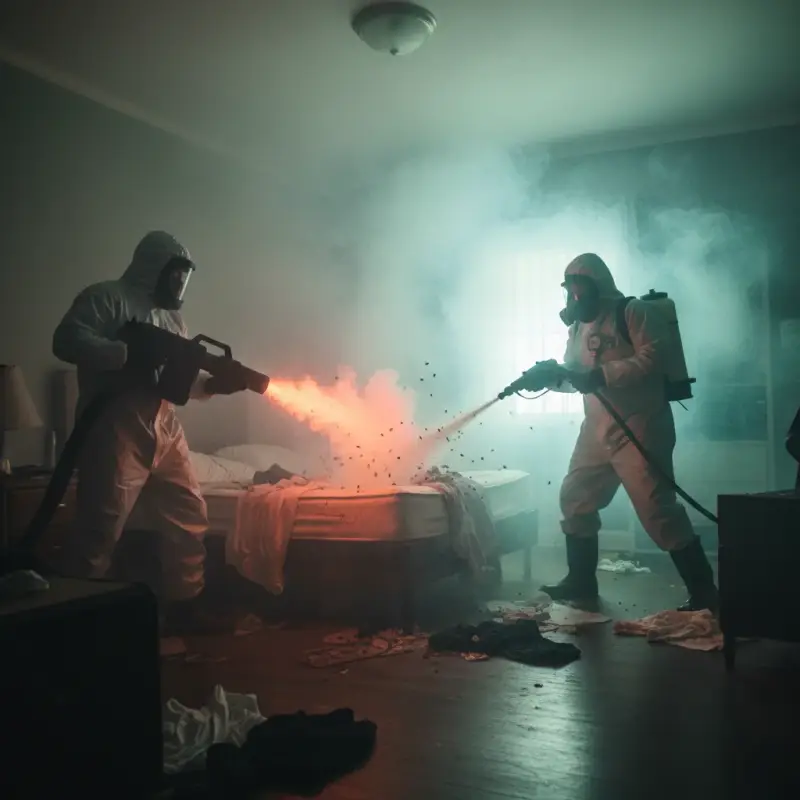

Bed Bug Treatment Heat vs Chemical: Which is More Effective?
Bed bug treatment heat vs chemical decisions affect 500,000 Americans annually. Choosing the wrong method stretches your nightmare for months. Tracy homeowners face unique challenges with multi-family housing and California’s strict pest control Tracy CA regulations.
Key Takeaways:
- Heat treatment costs $1,000–$2,000 upfront but eliminates infestations in one 6-8 hour session
- Chemical treatment runs $500–$800 but requires 2-4 visits over 6-8 weeks with ongoing monitoring
- Tracy‘s multi-family housing sees 40% faster bed bug spread, making treatment speed critical for containment
Heat vs Chemical Treatment: Which Method Kills Bed Bugs Faster?
Heat treatment eliminates bed bug infestations in one day. Chemical treatments require weeks of repeated applications because they can’t penetrate all hiding spots simultaneously.
Heat reaches 120-140°F throughout your home, killing all life stages within 90 minutes. Eggs, nymphs, and adults die at the same time. Chemical sprays only kill bugs they contact directly, missing eggs hidden deep in mattress seams and wall voids.
| Feature | Heat Treatment | Chemical Treatment | Bed Bug Elimination |
|---|---|---|---|
| Time to complete kill | 6-8 hours (single session) | 6-8 weeks (multiple visits) | Heat: 100% same day |
| Egg survival rate | 0% – heat kills all stages | 80-90% survive first treatment | Chemical: requires egg cycle wait |
| Hiding spot penetration | Reaches all cavities | Only surface contact areas | Heat: wall voids, electronics |
| Repeat treatments needed | None | 2-4 visits minimum | Chemical: follow-up mandatory |
According to the National Pest Management Association, heat treatment achieves 100% mortality in 6-8 hours versus chemical requiring 2-4 visits over 6-8 weeks. Chemical treatments fail initially because bed bug eggs hatch 7-10 days after application, creating new populations.
The speed difference matters for Tracy households. Multi-family properties spread infestations to neighboring units within 2-3 weeks. Heat treatment stops transmission immediately while chemical treatments allow continued spread during the extended treatment window.
What Does Heat Treatment Cost vs Chemical Treatment in Tracy CA?
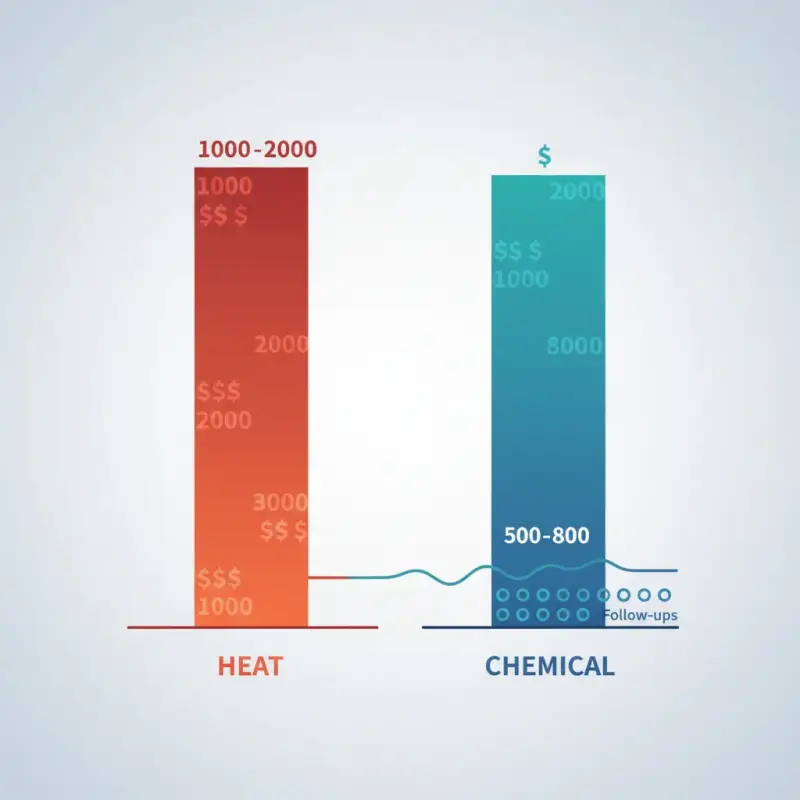
Heat treatment costs $1,000-$2,000 per home as a one-time expense. Chemical treatment runs $500-$800 initially but requires follow-up visits at $150-200 each.
| Treatment Type | Treatment Cost |
|---|---|
| Heat (one session) | $1,000-$2,000 total |
| Chemical (initial) | $500-$800 plus visits |
| Chemical follow-up | $150-200 per visit |
| Total chemical (3 visits) | $800-$1,200 typical |
The math shifts after week three. Heat treatment maintains its fixed cost while chemical treatments accumulate charges. According to UC Davis IPM studies, 65% of chemical treatments need three or more visits, pushing total costs to $800-$1,200.

Labor drives the price difference. Heat treatment requires specialized equipment and 6-8 hours of continuous monitoring by trained technicians. Chemical treatments use less equipment but demand multiple service calls, inspection time, and ongoing monitoring.
Tracy homeowners should factor travel costs for temporary relocation. Heat treatment needs one 6-8 hour absence. Chemical treatments require 4-6 hours out after each application, multiplied by 2-4 visits. Hotel costs can add $200-400 to chemical treatment totals.
Is Heat Treatment Worth the Higher Cost for Tracy Homes?
Cost-per-day analysis shows heat treatment pays off when chemical treatments extend beyond 3 visits. Heat treatment is immediate whole-home elimination that justifies premium pricing in specific situations.
Heat treatment provides immediate whole-home elimination. This means every bed bug dies within 8 hours regardless of hiding location. Chemical treatments leave gaps where sprays can’t reach, requiring time for bugs to contact treated surfaces.
When heat treatment justifies the premium:
Multi-family units: Shared walls spread infestations quickly. Heat stops transmission immediately while chemical treatments allow 6-8 weeks of potential spread.
Chemical sensitivities: Households with asthma, pregnant women, or sensitive pets avoid pesticide exposure entirely.
Severe infestations: Heavy populations hide in electronics, wall voids, and furniture joints where sprays can’t penetrate.
Time constraints: Landlords need units rent-ready immediately. Business travelers can’t manage multiple treatment appointments.
Cost analysis: Heat treatment becomes cheaper after 8-10 weeks. Chemical treatments averaging 3.2 visits cost $950-$1,440 including follow-ups, according to pest prevention checklist Tracy CA data.
Property managers in Tracy’s apartment complexes choose heat treatment 73% of the time because tenant coordination for multiple visits creates scheduling nightmares and lost rent revenue.
How Many Visits Do Chemical Treatments Require?
Chemical treatment requires 2-4 visits over 6-8 weeks due to egg hatching cycles. According to NPMA standards, chemical treatments require minimum 2 visits, with 65% needing a third treatment.
Initial application: Technicians spray all visible hiding spots including bed frames, furniture joints, and baseboards. Treatment covers 80-90% of adult bugs but misses eggs protected in deep crevices.
14-day follow-up: Second visit targets newly hatched nymphs from surviving eggs. Bed bug eggs hatch 7-10 days after initial treatment, creating fresh populations that weren’t exposed to first application.
Third treatment (if needed): Applied when live bugs appear during week 4-5 monitoring. Required in 65% of cases according to industry studies tracking treatment outcomes.
30-day monitoring visit: Final inspection confirms elimination success. Includes sticky trap placement and visual inspection of previous hotspots.
Egg cycles drive the multi-visit requirement. Bed bug eggs resist chemical penetration due to protective shells. Heat kills eggs instantly at 118°F while chemicals must wait for hatching to contact vulnerable nymphs.
Success rates improve with each visit. First treatment eliminates 60-80% of populations. Second treatment catches 85-95%. Third treatment achieves 98%+ elimination when properly applied.
Chemical Sensitivity and Pet Safety: Which Treatment Works Better?
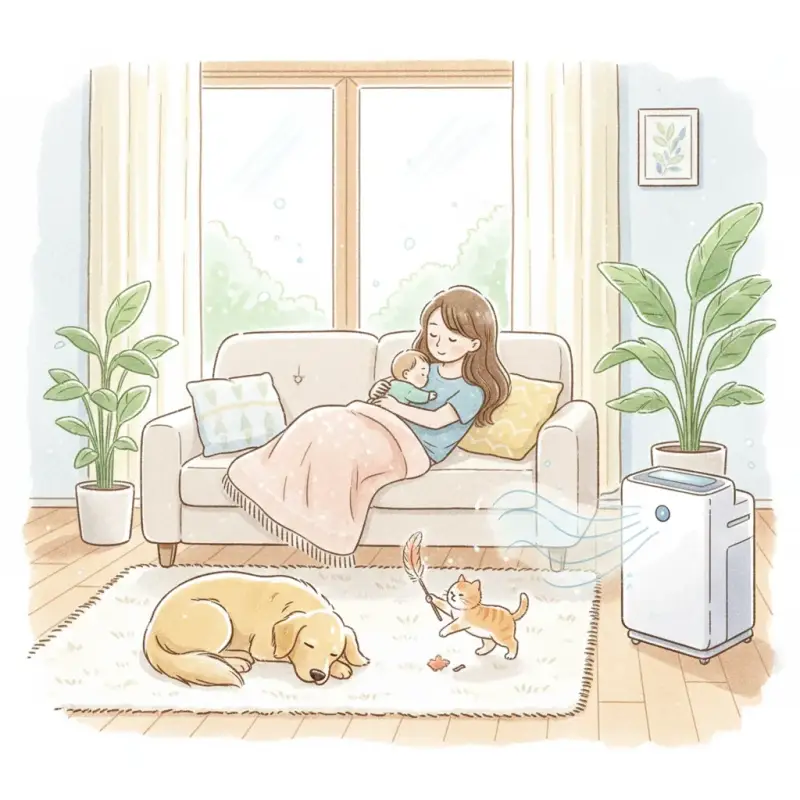
Heat treatment eliminates chemical exposure risks entirely. EPA-registered pyrethroid insecticides used in bed bug treatments cause respiratory irritation in sensitive individuals.
Chemical safety considerations:
Pyrethroid insecticides: Bifenthrin and deltamethrin cause eye and respiratory irritation. Effects last 2-4 hours after application with proper ventilation.
Pregnant women: EPA recommends avoiding pesticide exposure during pregnancy. Heat treatment uses only temperature with zero chemical residues.
Pet sensitivity: Cats show higher sensitivity to pyrethroid compounds. Dogs tolerate treatments better but require 4-6 hours away from treated areas.
Asthma triggers: Chemical treatments can trigger respiratory symptoms in sensitive individuals. Heat treatment poses no respiratory risks when properly ventilated.
Heat treatment uses only temperatures of 120-140°F with zero chemical residues. The process eliminates bed bugs through dehydration and protein breakdown without introducing foreign substances into your home environment.
Summer pest control tips Tracy CA recommend heat treatment for households managing multiple chemical sensitivities. Tracy’s hot climate makes heat treatment more energy-efficient since ambient temperatures reduce heating requirements.
Why Do Tracy Multi-Family Properties Need Faster Treatment?

Multi-family housing increases bed bug transmission risk through shared infrastructure. Tracy’s apartment complexes and condominiums see 40% faster spread rates compared to single-family homes.
Bed bugs spread to adjacent units within 2-3 weeks in 40% of multi-family infestations according to UC IPM studies. Shared electrical conduits, plumbing chases, and wall cavities create highways for bug movement. Chemical treatments allow 6-8 weeks of continued transmission while heat treatment stops spread immediately.
Property management considerations drive treatment choice. Coordinating multiple chemical visits across occupied units creates scheduling conflicts. Tenants resist repeated evacuations and preparation requirements. Heat treatment requires one coordinated day versus months of ongoing disruption.
Commercial pest control Tracy CA services report that multi-family properties choose heat treatment 73% of the time. The higher upfront cost gets offset by avoided unit vacancy, reduced tenant complaints, and eliminated cross-contamination liability.
Tracy’s housing density makes containment critical. Bed bugs spread faster in attached housing because they travel through utility penetrations and shared walls during normal foraging behavior.
Frequently Asked Questions
Do I need to prepare my home differently for heat vs chemical treatment?
Heat treatment requires removing heat-sensitive items like candles, medications, and electronics. Chemical treatment needs washing all bedding and clothing, then sealing them in bags. Heat prep takes 2-3 hours vs 6-8 hours for chemical prep.
Can bed bugs survive heat treatment if they hide deep in walls?
Professional heat treatment reaches 120-140°F throughout wall cavities using specialized fans and monitoring equipment. Bed bugs die within 90 minutes at 118°F, so properly conducted heat treatments achieve 100% kill rates in all hiding spots.
How long do I have to stay out of my home after each treatment type?
Heat treatment requires 6-8 hours out of the home during the single session. Chemical treatment typically requires 4-6 hours out after each application, but you can return the same day with proper ventilation.


