


Fall Rodent Prevention for Central Valley Homeowners: October Action Checklist
Fall rodent prevention Central Valley homeowners need becomes critical as October field harvests displace thousands of rodents who immediately seek new shelter. Your home is their top target.
Key Takeaways:
- Field clearance drives 300% more rodent activity in October across Tracy and Stockton residential areas
- Roof rats can squeeze through gaps smaller than a quarter, 0.5 inches, making September inspection critical
- Garage door seals and attic vents account for 67% of successful fall rodent entries in Central Valley homes
When Does Rodent Season Start in Tracy CA?

Seasonal pest activity is the predictable spike in rodent invasions that follows agricultural harvest cycles. This means Central Valley homeowners face concentrated rodent pressure during specific calendar windows, not random year-round activity.
October marks the official start of rodent season in Tracy and surrounding Central Valley communities. Harvest season field clearance operations strip away established habitat from thousands of rodents simultaneously. Unlike gradual urban displacement, agricultural clearing forces entire colonies to relocate within 48-hour windows.
Almond harvest begins mid-September, followed by walnut and corn clearing through October. Each crop’s harvest schedule adds waves of displaced rodents to the migration pressure. Peak rodent activity runs October 15 through December based on agricultural clearing schedules. Properties without proper pest control Tracy CA preparation get overwhelmed during this concentrated invasion period.
The timing creates perfect storm conditions. Cool weather drives rodents toward heated structures just as food sources disappear from cleared fields. This dual pressure makes October the highest-risk month for residential rodent invasions across the Central Valley.
How Does Field Clearance Drive Rodents Into Central Valley Homes?

Field clearance operations displace established rodent colonies who must find new territory or die from exposure. Agricultural clearing removes both shelter and food sources within hours, forcing immediate relocation decisions.
Norway rats and roof rats respond differently to habitat loss. Norway rats prefer ground-level access points and basement areas, moving from field burrows to foundation gaps. Roof rats climb immediately after displacement, seeking elevated entry points like attic vents and roof gaps. Understanding these behavioral differences helps target prevention efforts.

Rodents travel up to 300 yards from cleared fields seeking new shelter sites within 48 hours. This migration distance means homes up to three blocks from agricultural areas face direct invasion pressure. The short timeframe creates density problems, dozens of displaced rodents may converge on the same property simultaneously.
Residential structures offer everything displaced field rodents need: consistent temperature, multiple food sources, and protected nesting sites. Without proper rodent control Tracy CA measures, a single family home can support 15-20 adult Norway rats or 30+ roof rats. The population explosion happens fast once entry points allow initial colonization.
8-Step Pre-Season Prevention Checklist for October
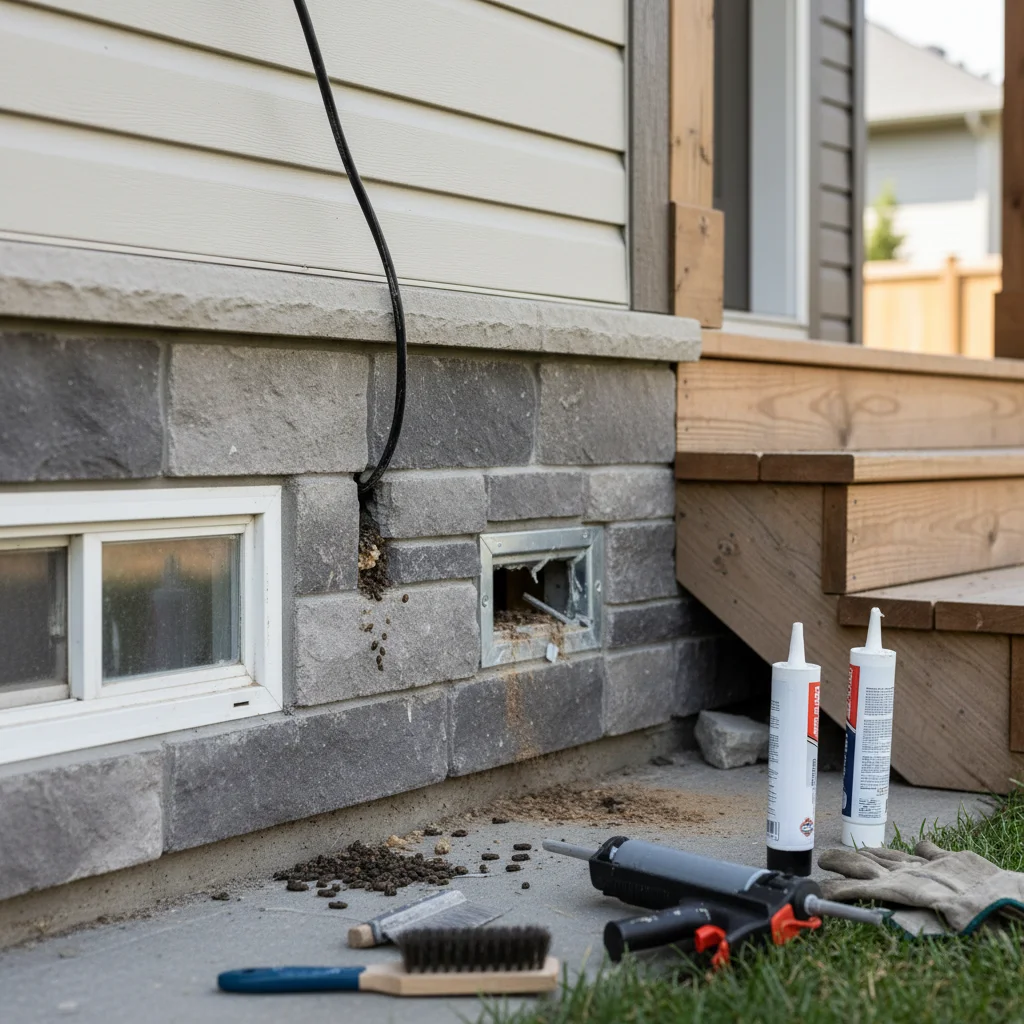
Pre-season inspection checklist prevents rodent ingress attempts by identifying and sealing vulnerable entry points before displacement pressure peaks. Complete checklist by September 30th to beat October 15th peak activity window.
Walk your home’s perimeter at ground level. Look for gaps larger than 0.25 inches around foundation edges, utility penetrations, and door frames. Norway rats exploit ground-level weaknesses first.
Inspect your roof line from inside the attic. Check where roof meets walls, around vent penetrations, and at eave connections. Roof rats target elevated access points and can squeeze through 0.5-inch gaps.
Test all garage door seals by closing the door. Stand inside and look for light penetration along the bottom seal. Any visible light indicates gaps large enough for rodent entry.
Document foundation cracks wider than your fingernail. Mark locations with spray paint for repair priority. Even hairline cracks expand during fall temperature swings, creating rodent highways.
Verify attic vent screening covers all openings. Remove damaged screens and measure openings for hardware cloth replacement. Standard window screen won’t stop determined rodents.
Clear vegetation from your home’s exterior walls. Maintain 3-foot clearance zones and trim tree branches 6 feet from rooflines. Vegetation provides ladder access for roof rats.
Seal utility penetrations with expanding foam. Target cable, gas, and electrical entry points where original caulking has failed. Rodents follow utility lines directly to penetration gaps.
Schedule professional pest inspection for early September. Trained technicians identify problems homeowners miss. Early detection prevents costly October emergency calls when rodent control cost Tracy CA spikes during peak season.
What Distance Should You Trim Vegetation From Your House?

Vegetation trimming distances prevent roof rat access routes by eliminating jumping and climbing pathways to your home’s structure. Roof rats jump horizontally 4 feet and climb any surface rougher than glass.
| Vegetation Type | Minimum Distance | Roof Rat Risk |
|---|---|---|
| Tree branches | 6 feet from roofline | Direct roof access |
| Tall shrubs | 3 feet from walls | Window/vent access |
| Fence lines | 2 feet clearance | Foundation approach |
| Ivy/vine coverage | Complete removal | Wall climbing aid |
Tree branches create the highest risk because roof rats use them as highways directly onto your roof. A single overhanging branch negates all other exclusion efforts. Palm trees need special attention, their rough bark texture provides excellent climbing surfaces, and their fronds often touch rooflines.
Shrub trimming prevents ground-to-wall climbing routes that both Norway rats and roof rats use. Dense shrubs against exterior walls also provide daytime hiding spots that encourage permanent colony establishment. The 3-foot clearance rule applies to all plantings taller than 18 inches.
Fencing requires clearance because rodents run fence tops like highways, then jump to nearby structures. Wooden fencing provides better grip than metal, but both materials support rodent travel when positioned too close to buildings.
Why Do Garage Door Seals Fail During Fall Rodent Season?
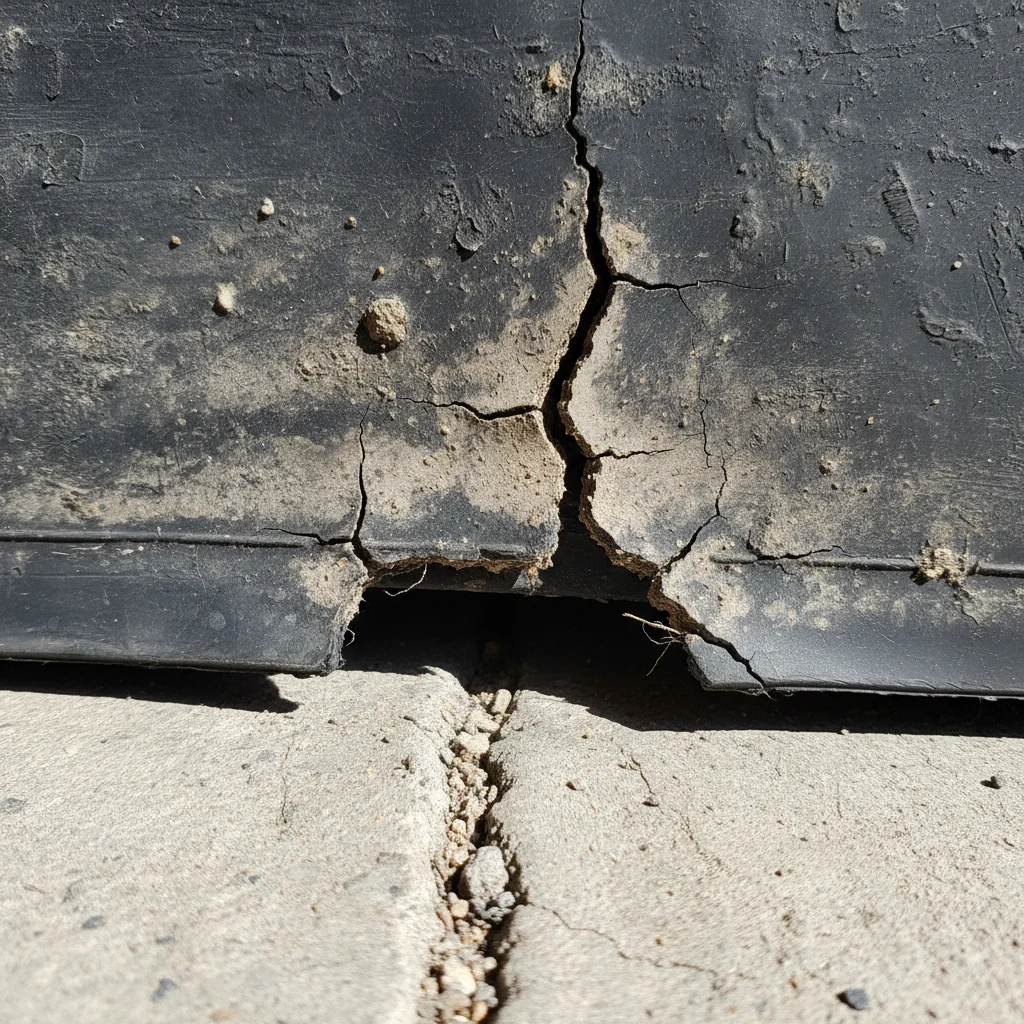
Garage door seal deterioration creates primary rodent entry points because rubber compounds break down under Central Valley temperature cycling and UV exposure. Garage door seals deteriorate 40% faster in Central Valley heat, creating gaps by fall.
Summer temperatures above 100°F make rubber seals brittle, while cool fall mornings cause contraction. This expansion-contraction cycle opens gaps at the seal edges where rodents probe for entry. The timing coincides perfectly with peak migration pressure from field clearing operations.
UV degradation patterns specific to Central Valley climate target the seal’s top surface where sun exposure is constant. Cracking typically starts at the center sections where heat buildup is highest. These initial cracks propagate outward, creating entry gaps by September.
Inspection techniques homeowners can use include the light test, close the garage door and look for light penetration along the bottom seal. Any visible light indicates rodent-accessible gaps. The paper test works too, slide paper under the closed door. If paper moves freely, seals need replacement before rodent season peaks.
Ignoring failed garage door seals costs more than prevention. Once rodents establish garage colonies, they spread throughout attached homes via interior wall voids and utility penetrations.
Which Attic Vents Need Screening Before Fall?
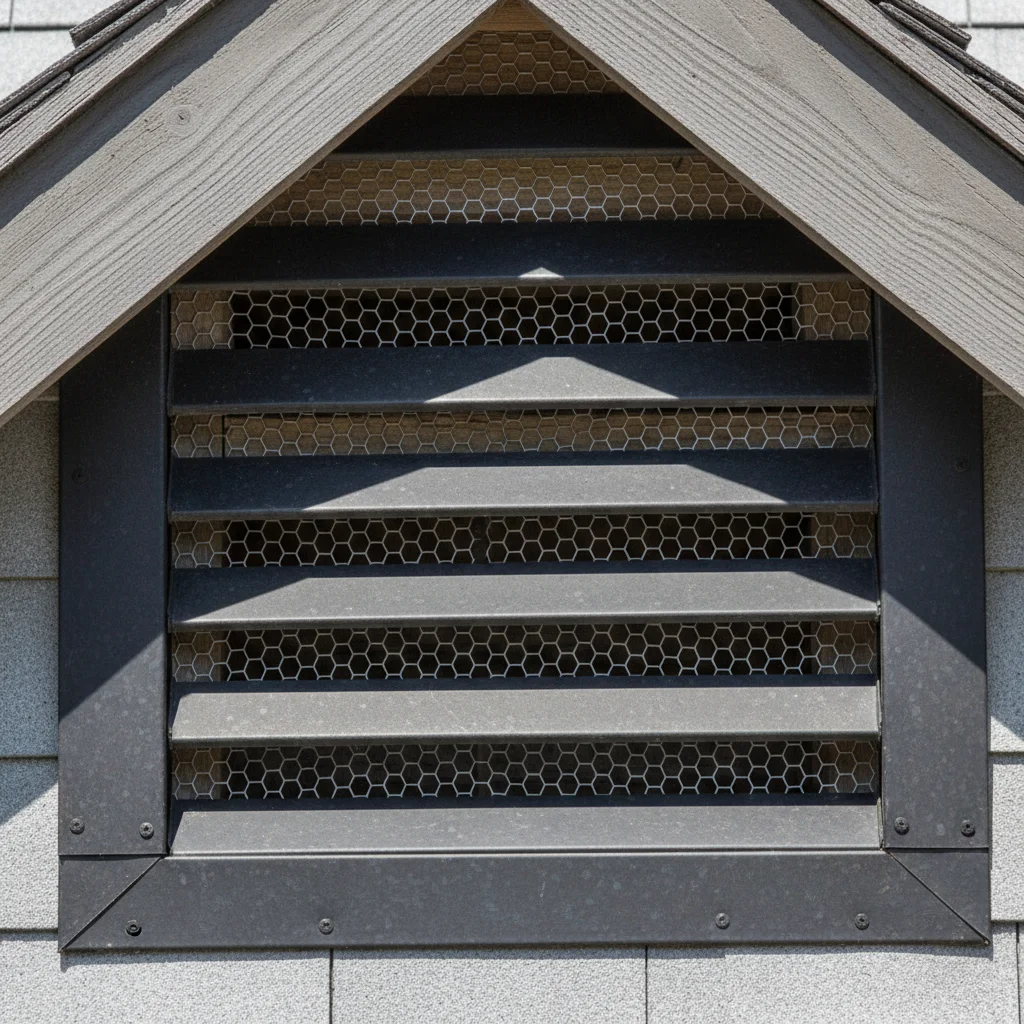
Attic vent screening blocks rodent access to roof structures by covering openings with mesh that stops animal entry while maintaining airflow. Hardware cloth with 0.25-inch mesh stops all rodent species while maintaining airflow.
Ridge vents along roof peaks require continuous screening installation because their linear design creates extensive access opportunities. Standard ridge vent filters don’t stop rodents, only insects. Replace with hardware cloth backing before September.
Gable end vents in triangular wall sections often lack any screening from original construction. These large openings provide direct attic access for roof rats. Install framed hardware cloth panels that match vent dimensions.
Soffit vents under roof overhangs accumulate debris that clogs standard screens, creating maintenance gaps rodents exploit. Clean all soffit vents monthly during rodent season and verify screen integrity.
Turbine vents spinning on roof peaks develop gaps where moving parts connect to housings. Rodents squeeze through bearing assemblies and worn connection points. Inspect monthly and seal gaps with hardware cloth.
Power exhaust fans for bathrooms and kitchens create dual problems, the electrical penetration and the vent housing itself. Both need screening attention. Verify dampers close completely and screen the exterior vent opening.
Plumbing vent stacks aren’t traditional vents but create roof penetrations rodents use. Gap sealing around stack bases prevents access to wall voids that lead throughout the house.
Installation timing matters because October weather makes roof work dangerous. Complete all screening projects by early September when conditions remain stable. Professional installation becomes necessary for steep roofs or complex vent configurations.
Frequently Asked Questions
Should I wait until I see rodent signs to start fall prevention?
No. Waiting for signs means rodents already established nests inside your home. October field clearance creates sudden population pressure that overwhelms unprepared properties within days. Prevention costs less than removal and damage repair.
Do snap traps work for fall rodent prevention?
Traps remove individual rodents but don’t address the source problem, open entry points that agricultural displacement drives hundreds of rodents toward. Exclusion stops the invasion before it starts. Think of it this way: traps catch the overflow while exclusion stops the flood.
What makes Central Valley rodent pressure different from other California regions?
Agricultural calendar timing creates massive seasonal displacement that doesn’t occur in urban-only areas. October harvest operations force established field populations into residential areas simultaneously rather than gradually. The best pest control companies Tracy CA understand this seasonal pattern and adjust prevention timing accordingly. Coastal regions face steady year-round pressure, while Central Valley homeowners deal with concentrated seasonal waves that require different preparation strategies.