
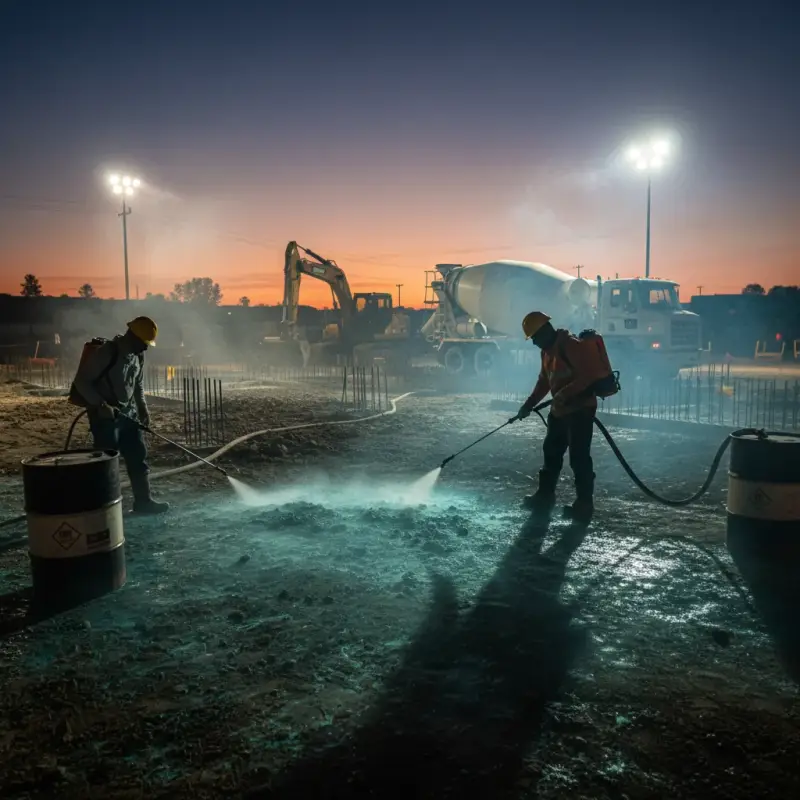

Termite Prevention New Construction California Homes in Tracy, CA
Termite prevention new construction California matters most during the 18-month window after completion, when displaced colonies target fresh lumber. New construction buyers in Tracy’s fastest-growing developments assume they’re protected from termites, but builder warranties have massive gaps that leave homeowners exposed during the highest-risk period.
Key Takeaways:
- Pre-construction soil treatment costs $0.75-$1.25 per square foot but becomes 10x more expensive after the slab pour
- Year-1 inspections catch 73% of termite activity in new construction before visible damage occurs
- Builder warranties exclude termite damage unless pre-construction treatment was specifically contracted
Do New Homes Need Termite Treatment in California?
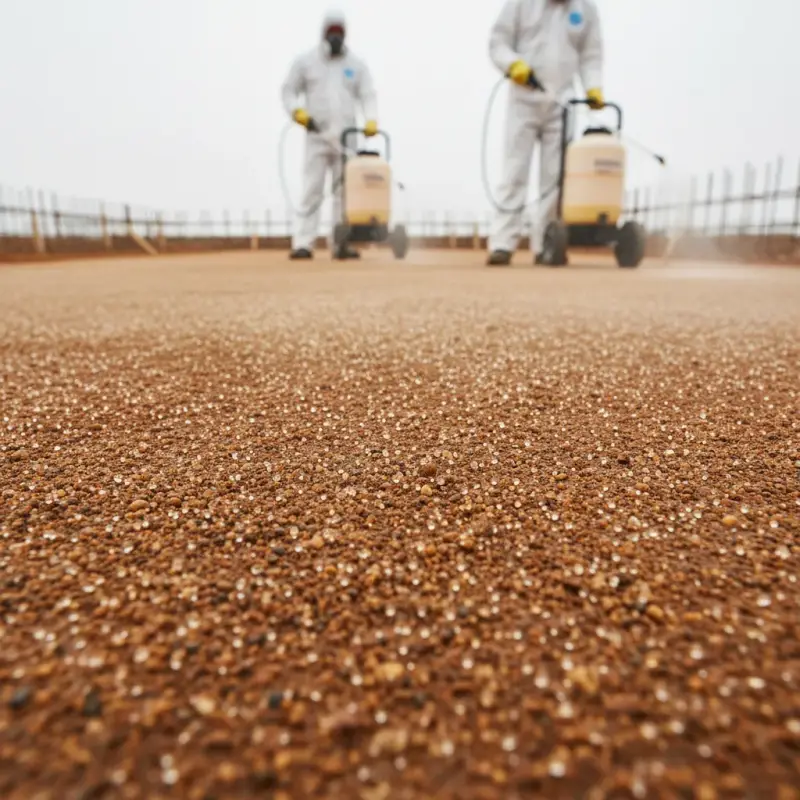
Pre-construction termite barrier is a chemical treatment applied to soil before concrete foundation pour. This means subterranean termites cannot establish colonies beneath your home’s foundation slab. The CA Structural Pest Control Board requires this treatment for new construction in high-risk zones, which includes all of San Joaquin County.
California Building Code Section 8.32 mandates termite barriers for new residential construction. The code doesn’t specify pre-construction soil treatment as the only method, but it’s the most effective option before concrete pour. Post-construction alternatives cost significantly more and provide less protection.
New doesn’t mean protected when it comes to termite control Tracy CA. Construction activity disrupts existing termite colonies, forcing them to seek new food sources. Your fresh lumber becomes the target. Tracy’s clay soil retains moisture year-round, creating perfect conditions for subterranean termite activity around new foundations.
Builder permits in Tracy Hills require termite protection plans, but the specific method stays flexible. Most builders choose the cheapest compliant option, which often means minimal soil treatment or none at all.
What Is Pre-Construction Soil Treatment Before Slab Pour?
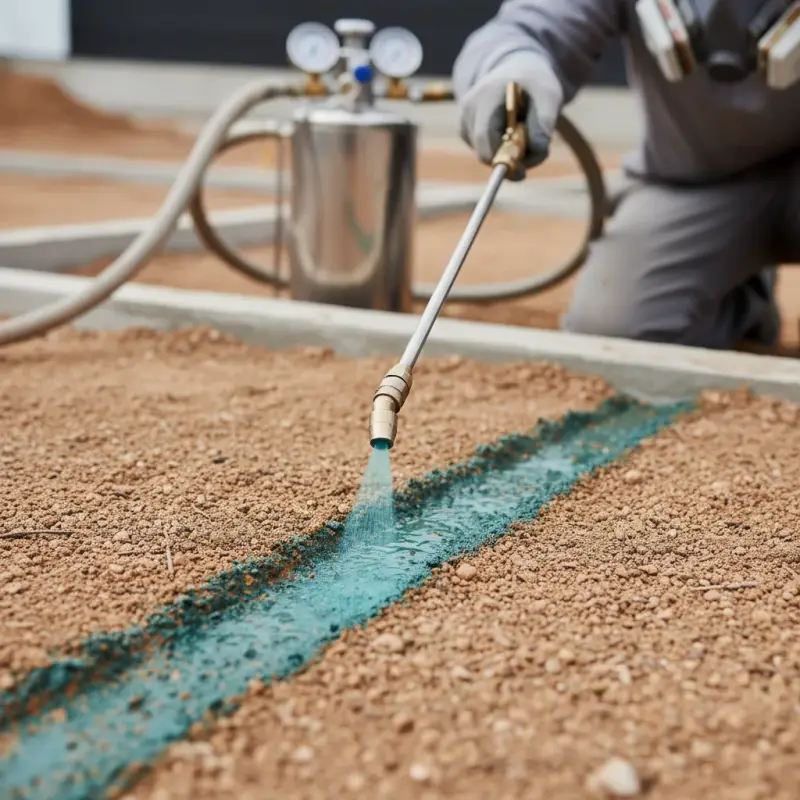
Pre-construction soil treatment prevents subterranean termite colonization by creating a chemical barrier in the soil. The process requires precise timing and specific application methods to maintain effectiveness.
Soil preparation occurs 24-48 hours before concrete pour. Contractors apply termiticide solution to excavated soil at foundation depth. The chemical creates a barrier that termites cannot cross or detect.

Perimeter treatment extends 6 inches beyond foundation footprint. This wider application zone prevents termites from accessing the structure through soil gaps or settling cracks. Tracy Hills Phase 2A lots require special attention due to expansive clay soil movement.
Reapplication covers any disturbed soil during construction. Utility trenches, landscaping, or foundation adjustments require additional chemical treatment. One missed spot compromises the entire barrier system.
Final inspection confirms complete coverage before occupancy. Licensed pest control operators verify barrier continuity and provide documentation for warranty purposes. This step often gets skipped in rushed construction schedules.

Soil disturbance factors in Tracy Hills Phase 2A development include underground utilities, drainage systems, and lot grading changes. Each disturbance event requires barrier reestablishment to maintain protection.
Tracy Hills Termite Risk: Why New Construction Gets Hit First

Soil disturbance increases subterranean termite pressure by destroying existing colony territories and food sources. New construction sites show 2.3x higher termite activity within 18 months of completion compared to established neighborhoods.
Construction equipment compacts soil and destroys natural termite habitat. Displaced colonies search for new food sources, making fresh lumber in new homes prime targets. Tracy Hills sits on clay soil that retains moisture, creating ideal conditions for termite movement between disturbed areas.
Subterranean termite colonies can travel 300 feet underground to reach food sources. Your new home may face pressure from colonies displaced during neighboring construction projects. Drywood termite activity also increases around construction sites due to lumber storage and exposed wood during building phases.
Lennar framing in Tracy Hills uses standard construction lumber without borate treatment. This untreated wood becomes vulnerable once termites breach the foundation barrier. The combination of displaced soil colonies and untreated lumber creates maximum risk during the first two years.
Phase 2A development cleared 400 acres of oak woodland habitat. Those termite colonies didn’t disappear – they moved to available food sources in the area. Every new home becomes a potential target until natural population balance returns.
When Should You Schedule Termite Inspection for New Homes?

Year-1 inspection detects early termite colonization before visible damage occurs. Soil settling and foundation movement can create gaps in chemical barriers, allowing termite access during the most vulnerable period.
| Inspection Type | Timing | WDO Report Required |
|---|---|---|
| Pre-occupancy | Before move-in | Yes, for warranty |
| 6-month check | After first winter | No, monitoring only |
| Annual pest inspection | 12 months post-completion | Yes, documentation |
| Warranty inspection | Before 2-year limit | Yes, coverage requirement |
Critical timing windows include post-rain seasons when soil movement is most active. Tracy’s winter rains cause clay soil expansion and contraction, potentially cracking chemical barriers. The 6-18 month window shows highest detection rates for early termite activity as colonies establish new territories.
WDO inspection report requirements differ between builder inspections and independent pest inspection services. Builder inspections focus on structural compliance, while independent inspections identify active termite signs and barrier integrity. You need both for complete protection.
Soil settling effects become apparent 6-12 months after construction completion. Foundation movement can create hairline cracks that compromise chemical barriers. Early detection through professional inspection prevents minor access points from becoming major infestations.
What Don’t Builder Warranties Cover for Termite Damage?
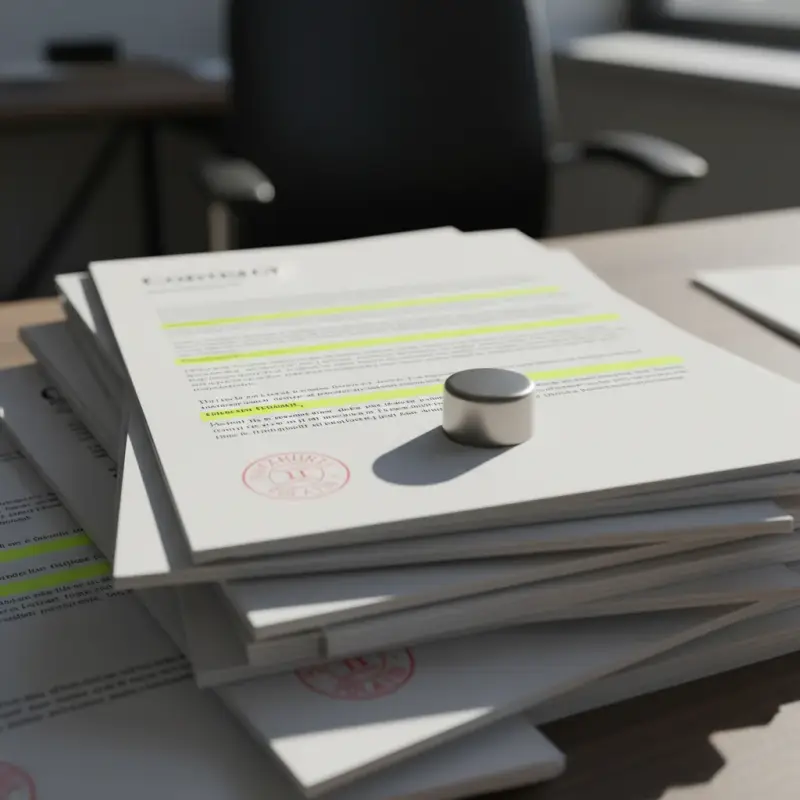
Builder warranties exclude termite damage coverage unless pre-construction treatment was specifically contracted and documented. 87% of new construction warranties explicitly exclude termite damage, leaving homeowners responsible for treatment and repairs.
Pest damage falls outside structural defect coverage. Warranties cover construction defects, not biological damage from insects or rodents. Termite damage gets classified as maintenance, not manufacturing defect.
Pre-existing conditions void termite claims. Any termite activity present during construction excludes future warranty coverage. Builders rarely test for existing colonies before breaking ground.
Soil treatment must appear in original contract specifications. Verbal agreements about termite protection don’t count for warranty purposes. Written specifications and licensed contractor documentation are required.
Annual inspection requirements often void coverage. Missing scheduled inspections can terminate warranty protection. Many homeowners don’t realize inspection frequency requirements until filing claims.
Landscape modifications can void protection. Post-construction changes like irrigation, decking, or garden beds may compromise chemical barriers and void warranty coverage.
Documentation requirements include original treatment contracts, licensed applicator certificates, and annual inspection reports. Without complete paperwork, warranty claims get denied regardless of actual termite damage. When warranties do apply, they typically cover structural repairs but not pest control treatment costs.
Post-Construction Termite Treatment Options for Tracy New Homes
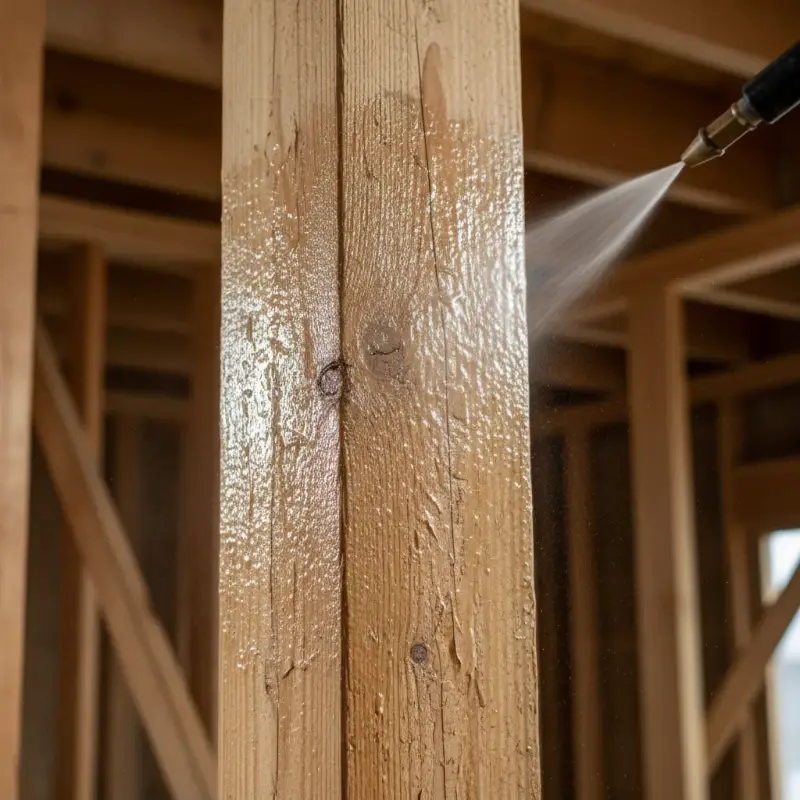
Borate wood treatment protects exposed lumber post-construction by creating a chemical barrier within the wood itself. This approach works for both subterranean termite and drywood termite prevention when pre-construction soil treatment wasn’t applied.
| Treatment Method | Subterranean Protection | Drywood Protection | Cost Range |
|---|---|---|---|
| Perimeter soil injection | High effectiveness | No protection | $1,200-$1,800 |
| Borate wood treatment | Limited effectiveness | High effectiveness | $800-$1,500 |
| Monitoring stations | Detection only | No protection | $400-$800 |
| Full integrated pest management | Complete protection | Complete protection | $2,000-$3,500 |
Perimeter soil injection methods involve drilling around the foundation and injecting termiticide into the soil. This creates a barrier similar to pre-construction treatment but requires more chemical and costs significantly more due to access limitations.
Monitoring station placement focuses on early detection rather than prevention. Stations contain wood samples that attract termites, allowing identification of colony activity before structural damage occurs. This approach works best when combined with other treatment methods.
Integrated pest management approach for new construction combines multiple treatment methods based on specific risk factors. Tracy Hills homes typically need both soil and wood treatment due to dual termite species pressure. Post-construction perimeter treatment costs $1,200-$2,400 for typical Tracy Hills lot sizes, but provides less protection than pre-construction application.
Commercial pest control Tracy CA services can design custom protection plans for new homes based on lot-specific risk factors and construction details as effective termite prevention new construction California options.
Frequently Asked Questions
How much does pre-construction termite treatment cost in Tracy CA?
Pre-construction soil treatment runs $0.75-$1.25 per square foot for typical Tracy Hills lot sizes. This covers chemical barrier application before the concrete slab pour. Post-construction treatment costs 8-12 times more due to access limitations.
Can I add termite protection after my Tracy home is already built?
Yes, but it’s significantly more expensive and less effective. Post-construction options include perimeter soil injection, borate wood treatment of accessible framing, and monitoring station installation. Pre-construction treatment remains the gold standard for new home protection.
Do I need both subterranean and drywood termite protection for new Tracy homes?
Tracy sits in a dual-threat zone where both subterranean and drywood termites are active. Pre-construction soil treatment handles subterranean species, but drywood termites require separate wood treatment or monitoring. Most new construction focuses on subterranean prevention since it causes faster structural damage.


