

Effective Rodent Control Tracy CA: Exclusion, Trapping & Ongoing Prevention
Rodent control Tracy CA becomes critical October through December when agricultural rats migrate toward heated homes, demanding professional two-phase programs that eliminate existing populations before sealing access points. Tracy’s agricultural boundary creates unique pressure during harvest season.
Key Takeaways:
- Professional rodent control uses two-phase service model: trapping phase removes existing rats, exclusion phase seals 47+ entry points per home
- Tracy’s agricultural edge creates 3x higher rodent pressure October–December as field populations move toward heated structures
- Norway rats nest in basements and crawlspaces while roof rats target attics, requiring different trapping locations and exclusion methods
Why Does Tracy See Peak Rodent Activity October Through December?

Fall ingress season is the three-month period when agricultural rodents abandon harvested fields for warm indoor spaces. This means Tracy homeowners face their highest infestation risk during harvest months when field populations lose their food sources and shelter.
Agricultural areas see 3x higher rodent pressure during harvest season compared to urban zones. Tracy sits directly on this agricultural edge where developed neighborhoods meet active farmland. When combines harvest corn, beans, and other crops, displaced rat colonies move toward the nearest heated structures.
Seasonal pest activity follows predictable temperature triggers. Rats begin seeking indoor shelter when nighttime temperatures drop below 45°F consistently. In Tracy, this threshold typically hits in early October. Central Valley pest pressure intensifies through December as more fields finish harvest cycles.
Agricultural-edge rodent pressure Tracy creates year-round challenges, but the October surge overwhelms standard prevention methods. Field populations don’t just increase gradually. They arrive in waves as specific crop harvests finish. Corn harvest displaces thousands of rats in a single week. Those populations immediately scout nearby homes for winter shelter.
The pattern repeats annually. September brings scattered scouts testing entry points. October delivers the main invasion as harvest accelerates. November sees persistent attempts as temperatures drop further. December marks the final push as remaining outdoor food sources freeze.
What’s the Difference Between Trapping and Exclusion in Rodent Control?
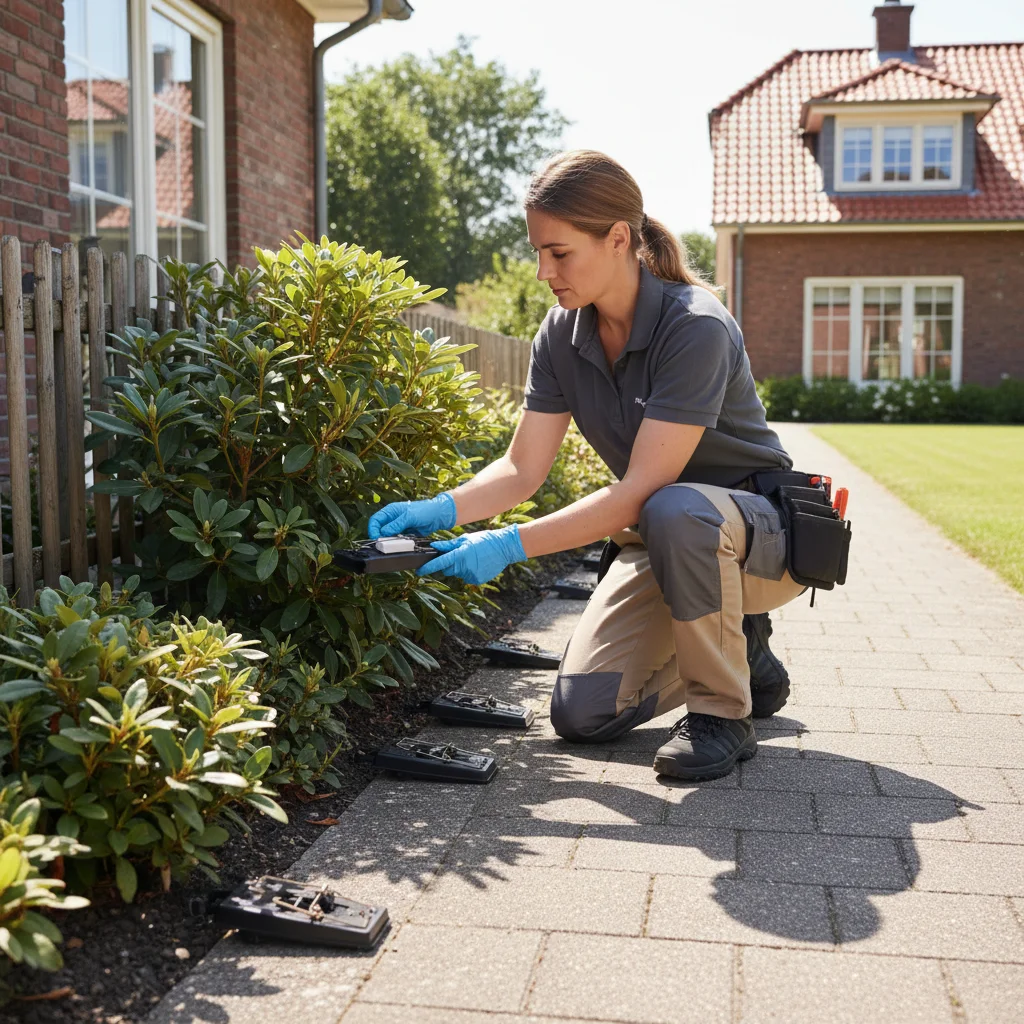
Two-phase service model separates trapping and exclusion phases because simultaneous approaches fail to eliminate established colonies. Trapping first removes existing populations. Exclusion second prevents new entries.

| Feature | Trapping Phase | Exclusion Phase |
|---|---|---|
| Primary Goal | Eliminate existing rats | Prevent new entries |
| Timeline | 2-4 weeks active monitoring | 1-2 weeks sealing work |
| Materials Used | Snap traps, bait stations | Steel wool, expanding foam, hardware cloth |
| Success Metric | Zero activity for 7 days | All entry points sealed |
| Failure Point | Sealed rats die in walls | Traps catch new entries indefinitely |
Trapping removes the breeding population that would otherwise reproduce while exclusion work happens. A single pregnant female produces 40+ offspring annually. Sealing her inside guarantees future problems.
Exclusion typically seals 47+ potential entry points per average home. Roof lines, foundation cracks, utility penetrations, and vent gaps all require specific materials and techniques. Hardware cloth stops large openings. Expanding foam fills smaller cracks. Steel wool blocks intermediate gaps.
The order matters because rodent exclusion done first traps existing populations inside walls and attics. These trapped rats die in inaccessible spaces, creating odor problems and attracting other pests. Dead rat odor can persist for months in wall cavities.
Why simultaneous approaches fail: Active trapping during exclusion work teaches rats to avoid sealed areas. They learn which routes remain open and concentrate activity there. Sequential phases prevent this adaptive behavior.
Norway Rat vs Roof Rat: Which Species Invades Tracy Homes?
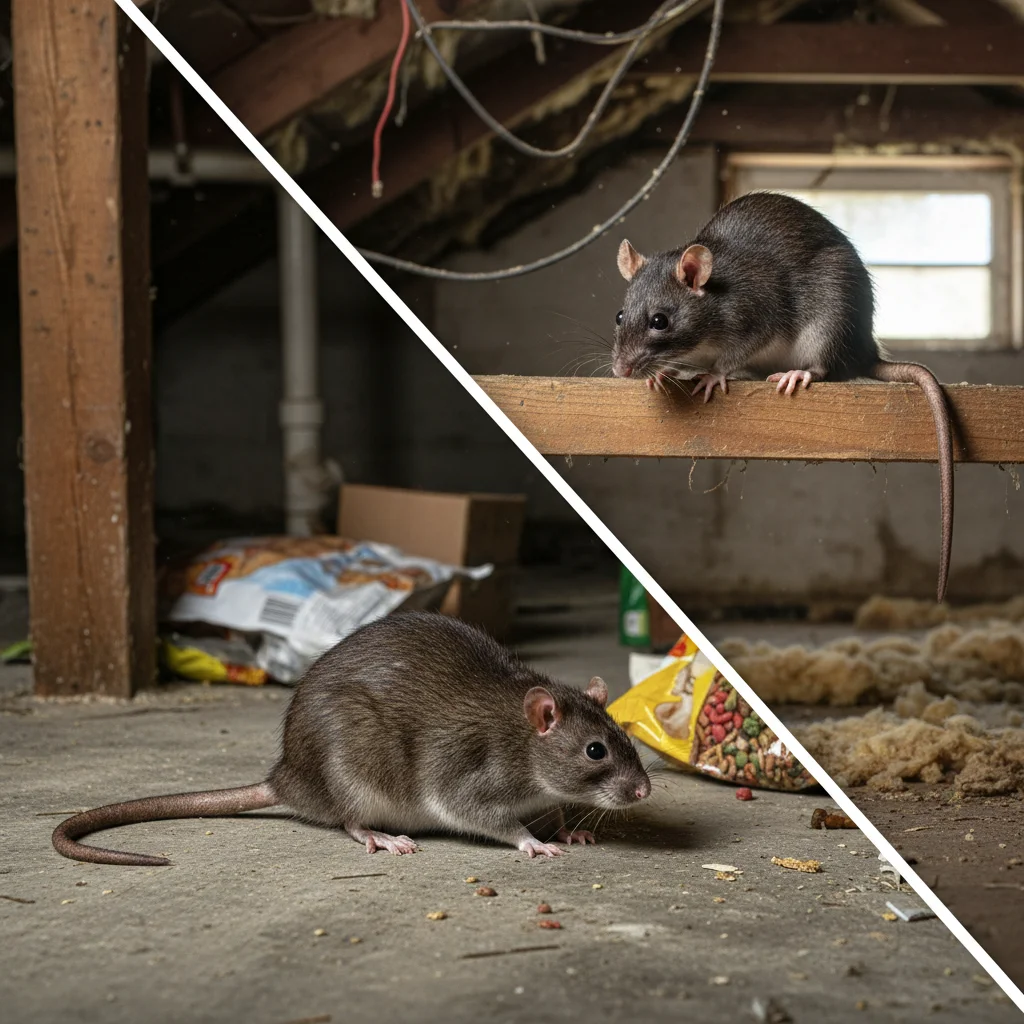
Norway rat differs from roof rat in habitat preferences, with ground-level species preferring basements while climbing species target attics and upper floors.
| Feature | Norway Rat | Roof Rat |
|---|---|---|
| Body Size | 7-9 inches, stocky build | 6-8 inches, slender build |
| Tail Length | Shorter than head+body | Longer than head+body |
| Nesting Height | Ground level to 8 feet | 8+ feet high preferred |
| Entry Points | Foundation gaps, door sweeps | Roof lines, tree branches |
| Trap Placement | Floor level along walls | Elevated on beams, rafters |
| Tracy Dominance | 70% of infestations | 30% of infestations |
Norway rats dominate Tracy infestations because agricultural areas favor ground-dwelling species. These rats follow irrigation ditches and fence lines from fields directly into residential areas. They nest in crawlspaces, basements, and ground-floor wall voids.
Roof rats nest 8+ feet high while Norway rats stay ground level. This height preference determines trap placement strategies. Norway rat trapping focuses on baseboards, cabinet bases, and crawlspace perimeters. Roof rat trapping requires ladder access to place devices on ceiling joists and roof beams.
Norway rat vs roof rat habitat differences create distinct exclusion requirements. Norway rats exploit foundation cracks, garage door gaps, and ground-level utility penetrations. Roof rats use tree branches, power lines, and roof-to-roof jumping to reach elevated entry points.
Physical identification helps determine species before treatment begins. Norway rats appear stocky with small eyes and ears. Roof rats look slender with prominent eyes and large ears. Tail length provides the clearest distinction: Norway rat tails never exceed body length, while roof rat tails always exceed it.
Signs of rats in walls differ by species location. Norway rat activity sounds come from wall bases and floor areas. Roof rat activity sounds originate from ceiling spaces and upper wall sections. Both leave similar droppings, but location indicates species.
How Do Professional Rodent Inspections Work in Tracy Properties?
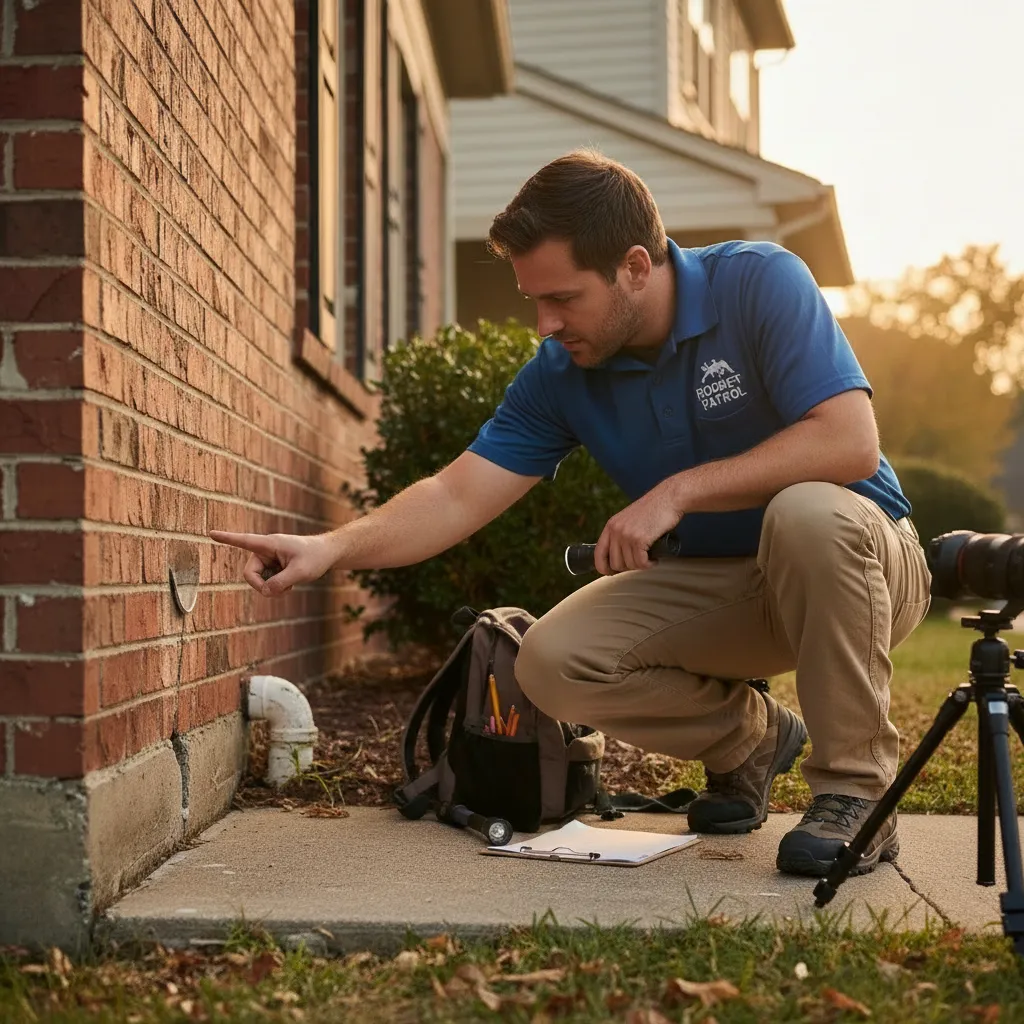
Pest inspection identifies rodent entry points and activity signs through systematic property evaluation. Professional inspections identify average 12-15 active entry points per infested home.
Exterior perimeter walk identifies potential entry points. Inspectors check foundation cracks, utility penetrations, roof lines, and landscaping contact points. Every gap larger than 1/4 inch gets marked for sealing.
Interior inspection maps activity zones and nesting areas. Inspectors look for droppings, urine stains, gnaw marks, and travel patterns. Black light reveals urine trails invisible to naked eyes.
Attic and crawlspace examination determines infestation severity. These areas show the heaviest activity signs. Inspectors measure contamination levels and assess structural damage.
Entry point ranking prioritizes sealing work by usage level. Active entries show fresh gnaw marks, hair, and grease stains. Inactive entries may still require sealing for prevention.
Treatment plan development matches methods to findings. Species identification, population size estimates, and seasonal factors determine trap types, placement locations, and exclusion priorities.
A rodent control Tracy CA program structure begins with this inspection data. The findings determine whether properties need standard two-phase treatment or enhanced programs for heavy infestations. Agricultural-edge properties typically require more extensive exclusion work.
Common Tracy rodent entry points include foundation settling cracks, HVAC penetrations, and garage door seals. Older homes show more foundation issues. Newer homes have HVAC and utility gaps. All properties develop garage door seal problems over time.
One-Time Rodent Removal vs Ongoing Monitoring: Which Program Works?

Ongoing monitoring programs prevent rodent re-infestation through quarterly inspections and maintenance, while one-time treatments show 67% re-infestation rate within 12 months without monitoring.
One-time treatment costs less upfront but fails to address seasonal re-invasion patterns. Tracy’s agricultural pressure creates new infestation attempts each fall. Single treatments can’t account for this annual cycle.
Ongoing monitoring includes quarterly exterior inspections and trap maintenance. Technicians check sealed entry points for damage, replace worn exclusion materials, and reset monitoring stations before each rodent season.
Warranty coverage differs significantly between service models. One-time treatments typically offer 30-90 day guarantees. Ongoing programs provide continuous coverage with free retreatment for breakthrough activity.
Cost-benefit analysis favors ongoing programs for agricultural-edge properties. Annual monitoring costs $160-320 versus $300-600 for repeated one-time treatments. Properties with confirmed re-infestations save money with ongoing service.
Seasonal timing determines treatment success rates. One-time treatments performed in summer may eliminate current populations but offer no protection against fall migration. Ongoing programs time preventive work before peak season.
Rodent control program structure should match property risk levels. Low-risk urban properties may succeed with one-time treatment plus annual inspections. High-risk agricultural-edge properties need quarterly monitoring to prevent repeated infestations.
Fall rodent prevention Central Valley requires proactive approaches timed before seasonal migration begins. August exclusion work prevents October invasions. Reactive treatments during peak season cost more and work less effectively.
Do You Need Attic Cleanup After Rodent Control Treatment?
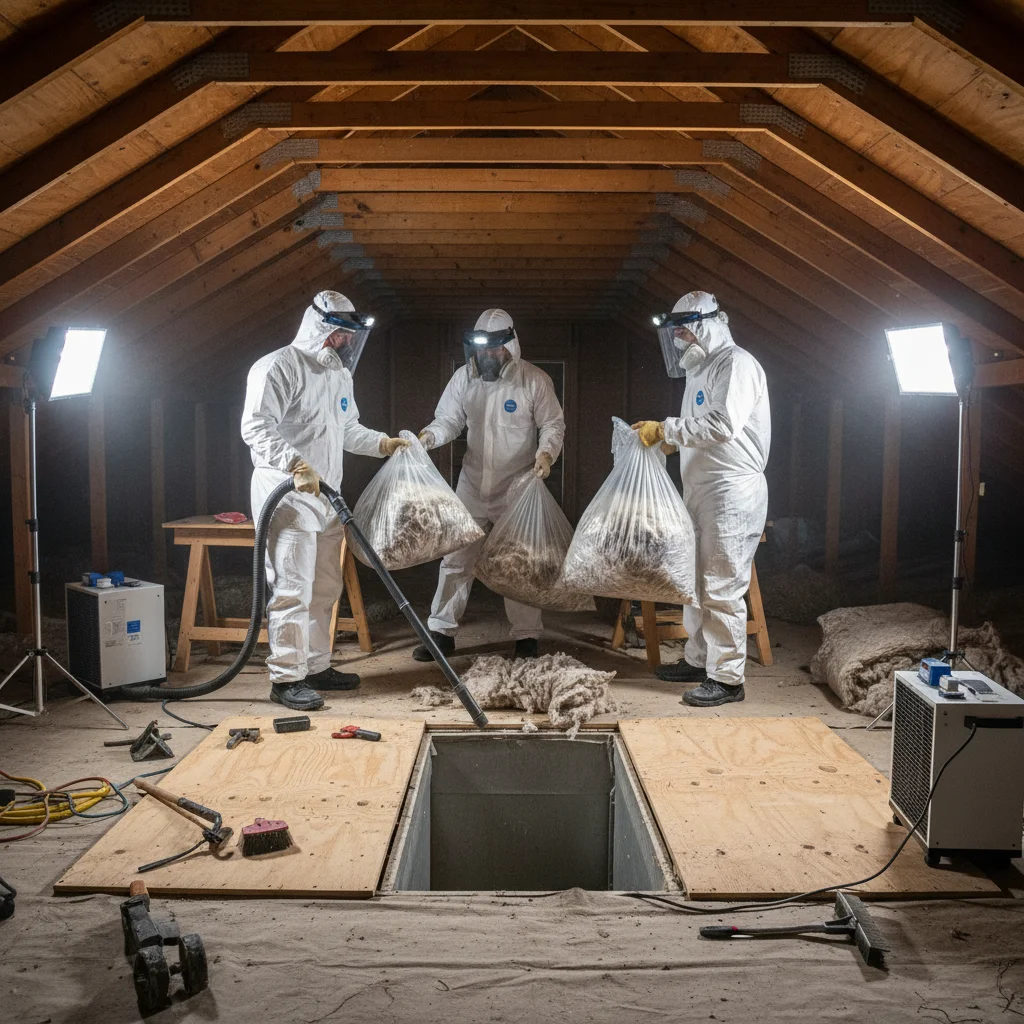
Attic sanitation removes contaminated insulation and droppings when infestations exceed health risk thresholds or damage structural materials. Heavy infestations require removal of 200+ square feet of contaminated insulation.
Contaminated insulation loses thermal efficiency and harbors disease-causing bacteria. Rodent urine soaks into fiberglass and cellulose materials, creating permanent odor and health risks. The contamination cannot be cleaned – only replaced.
Health risks from rodent contamination include Hantavirus, Salmonella, and Leptospirosis transmission through airborne particles. Disturbing contaminated materials without proper protective equipment can trigger serious respiratory illness. Professional sanitization uses HEPA filtration and containment barriers.
Insulation damage patterns help determine cleanup necessity. Light infestations with scattered droppings may not require full removal. Heavy infestations with urine-soaked insulation zones always need professional cleanup. The contamination zone size determines project scope.
Sanitization process includes contaminated material removal, surface disinfection, and air scrubbing. Technicians wear respirators and protective suits during removal work. HEPA air scrubbers run continuously to capture airborne particles.
Most rodent control programs treat attic sanitation as add-on service, not standard inclusion. Basic exclusion and trapping services focus on elimination and prevention. Property owners request sanitation when damage levels or health concerns warrant additional investment.
Rodent control Tracy CA costs increase significantly when attic work becomes necessary. Standard treatment costs $300-600. Adding full attic sanitization and insulation replacement can reach $2,000-4,000 depending on contamination severity and attic size.
Frequently Asked Questions
How much does professional rodent control cost in Tracy CA?
Professional rodent control cost Tracy CA typically ranges $300-600 for initial two-phase treatment, with ongoing monitoring programs costing $40-80 per quarterly visit. Agricultural-edge properties may require higher initial investment due to increased entry point sealing needs and heavier seasonal pressure.
Can rodent control companies treat both rats and mice at the same time?
Yes, most Tracy rodent control programs target both rats and mice simultaneously since they use similar entry points and nesting areas. However, trap placement and bait selection may vary based on the dominant species found during inspection. Mice require smaller mesh exclusion materials than rats.
How long does it take to eliminate a rodent infestation in Tracy homes?
Active trapping typically takes 2-4 weeks to eliminate existing rodent populations, followed by 1-2 weeks for exclusion work. Total program completion averages 3-6 weeks depending on infestation severity and property size. Agricultural-edge properties may need extended trapping phases during peak season.
Will sealed entry points stay effective during Tracy’s next rodent season?
Professional exclusion materials last 3-5 years when properly installed, but annual inspections are recommended since new gaps can develop from settling or weather damage. Ongoing monitoring programs include entry point checks and maintenance as part of quarterly service visits.