

Effective Termite Control Tracy CA: Inspection, Treatment & What to Expect
Termite control Tracy CA starts with understanding the dual threat facing local homes. Tracy’s Mediterranean climate creates perfect conditions for both subterranean and drywood termites, making professional inspection the only reliable way to catch infestations before structural damage costs thousands.
Key Takeaways:
- Tracy homes face dual termite pressure, subterranean termites from soil moisture and drywood termites attacking wood directly
- WDO inspection reports identify termite species and active vs dormant damage, required for real estate transactions
- Treatment costs vary by species: liquid soil barriers for subterranean termites cost $800-1,500 vs tent fumigation for drywood termites at $1,200-2,800
Tracy sits in California’s Central Valley where irrigation creates the soil moisture subterranean termites need while hot, dry summers stress wood that drywood termites target. Unlike general pest control Tracy CA approaches that handle multiple species with broad treatments, effective termite management requires species-specific strategies.
Subterranean termites build mud tubes from soil to wood. Drywood termites attack wood directly. Each species demands different detection methods, treatment approaches, and prevention strategies. Professional termite inspection Tracy CA identifies which species threaten your property and maps out targeted treatment plans.
What Termite Species Attack Tracy CA Homes?
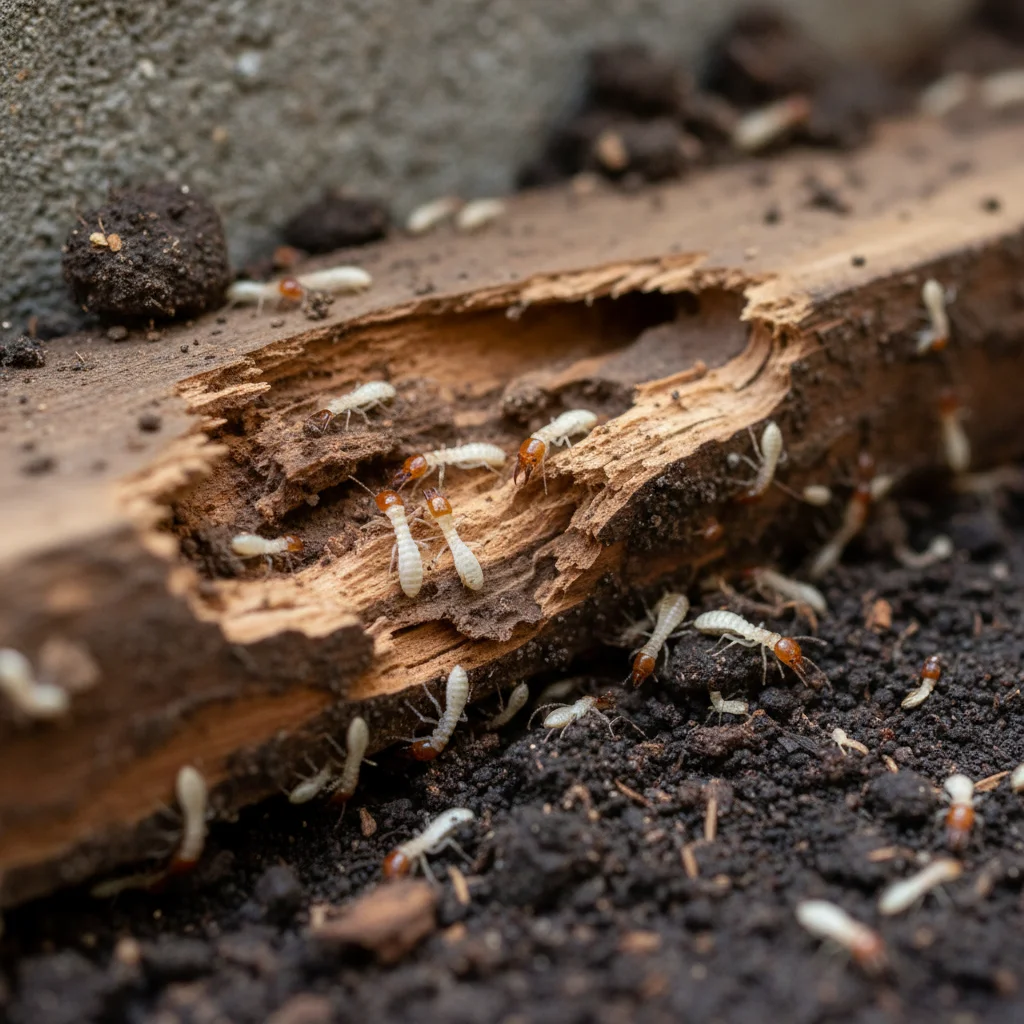
Two termite species dominate Tracy’s pest landscape. Subterranean termites cause 95% of termite damage in California structures, attacking from underground colonies that can house millions of insects. Drywood termites work differently, establishing smaller colonies directly inside wood without soil contact.
Subterranean termites need moisture to survive. They build distinctive mud tubes up foundation walls, concrete slabs, and pier blocks to reach structural wood. These tubes protect workers from dry air while they transport cellulose back to underground nests. Look for pencil-thick mud tunnels along foundations, especially where wood touches concrete.
Drywood termites live entirely within wood structures. They don’t need soil moisture, drawing water from wood itself and metabolic processes. These termites create small entry holes in wood surfaces, then hollow out galleries inside beams, posts, and furniture. Their presence shows up as small piles of wood-colored pellets called frass.
| Feature | Subterranean Termites | Drywood Termites |
|---|---|---|
| Colony location | Underground soil nests | Inside wood structures |
| Moisture needs | High soil moisture required | Extract moisture from wood |
| Damage signs | Mud tubes on foundations | Frass pellets near wood |
| Colony size | 60,000-2 million insects | 1,000-2,500 insects |
| Activity season | Year-round in Tracy climate | Peak spring/summer |
| Wood access | Must build tubes to reach wood | Direct wood penetration |
Subterranean termites swarm during warm spring days after rain, usually between February and May in Tracy. Workers are cream-colored, soft-bodied insects about 1/4 inch long. Soldiers have enlarged brown heads with prominent mandibles. Reproductive swarmers appear dark brown or black with wings.
Drywood termites swarm on warm fall evenings, typically September through November. Their swarmers are larger than subterranean types, reaching 1/2 inch with reddish-brown bodies. Workers and soldiers live entirely inside wood, rarely seen unless you break open infested material.

Identifying the species correctly determines everything about treatment approach. Subterranean termites damage structural wood from below. Drywood termites attack exposed wood surfaces throughout the structure.
How Do Termite Inspections Work in Tracy Properties?
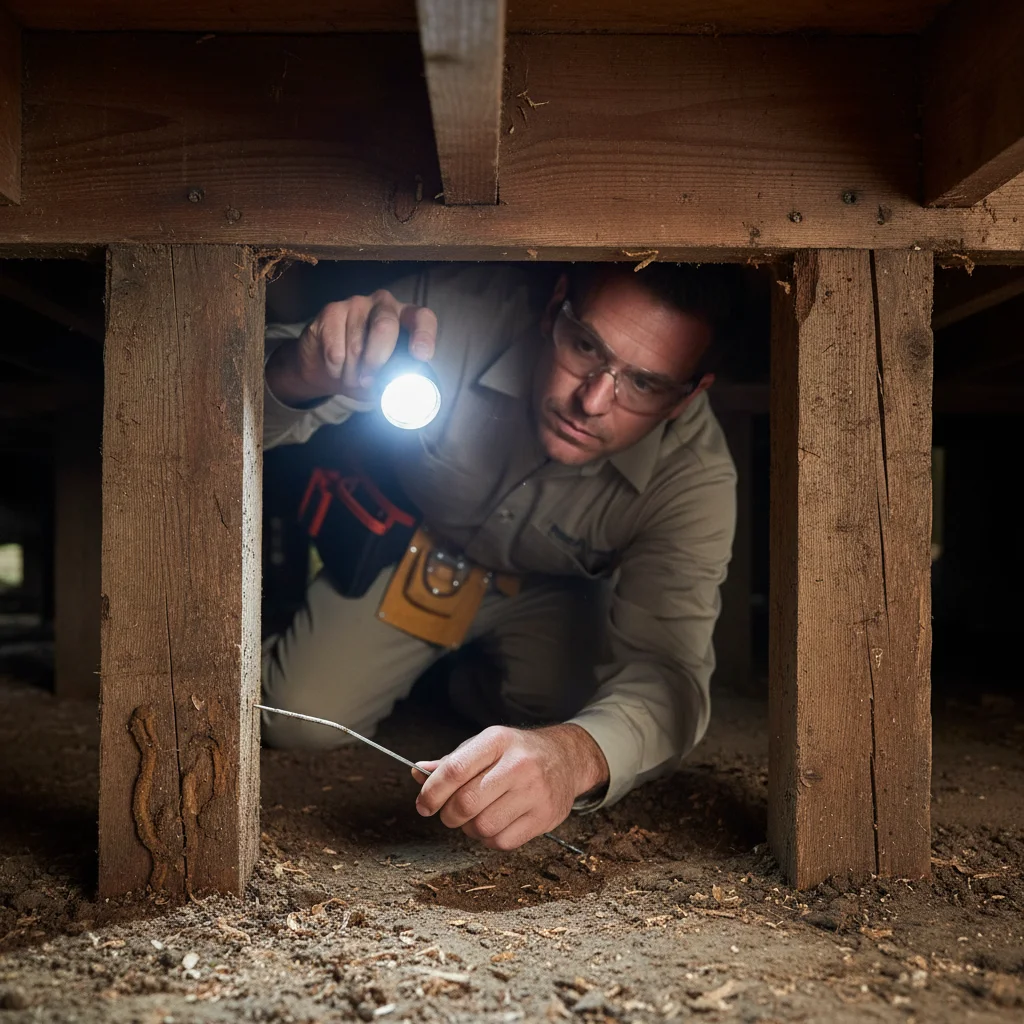
Professional pest inspection follows systematic protocols to locate termite activity, identify species, and assess damage extent. Standard termite inspection covers 95% of accessible structural areas in 60-90 minutes, though complex properties may require additional time.
Inspectors examine every accessible area where wood meets moisture or soil contact points. The process reveals both active infestations and conditions that attract future problems.
Foundation perimeter examination: Inspectors check for mud tubes along foundation walls, concrete slabs, and pier blocks. They probe exposed wood with awls to test for structural damage and hollow areas that indicate feeding activity.
Crawl space investigation: Using flashlights and moisture meters, inspectors examine subfloor framing, posts, and girders. They look for mud tube construction, moisture problems, and wood-to-soil contact points that give subterranean termites access routes.
Attic space evaluation: Inspectors check roof framing, especially areas where wood penetrates rooflines or contacts exterior walls. Drywood termites often enter through small gaps in roof construction before spreading through structural members.
Interior wood probing: All accessible wood surfaces get tested with probing tools. Hollow sounds or easily penetrated wood indicates possible termite feeding. Inspectors pay special attention to windowsills, door frames, and built-in furniture.
Moisture source identification: Plumbing leaks, poor drainage, and ventilation problems create conditions that attract termites. Inspectors use moisture meters to locate problem areas and document contributing factors.
Documentation and mapping: Findings get recorded on detailed property diagrams showing infestation locations, species identification, damage extent, and recommended treatment zones.
Inspectors distinguish between active and inactive infestations. Live termites, fresh mud tubes, and recent frass indicate current problems requiring immediate treatment. Old damage with no live insects may need monitoring but not emergency intervention.
Moisture readings help predict future termite pressure. Areas with elevated wood moisture content above 19% create attractive conditions for subterranean termites even without current infestations.
What’s Required in a WDO Report for Real Estate Transactions?
WDO inspection report is an official document that identifies wood destroying organisms including termites, carpenter ants, and wood-boring beetles. This means buyers and lenders get documented evidence of pest problems that could affect property value or structural integrity.
The CA Structural Pest Control Board requires licensed operators to complete WDO reports using standardized forms and procedures. Reports classify findings into two sections with different implications for real estate transactions.
Section 1 covers active infestations or damage requiring immediate treatment. This includes live termites, fresh feeding activity, and structural damage from wood destroying organisms. Lenders typically require Section 1 problems get resolved before funding loans.
Section 2 identifies conditions conducive to infestation like moisture problems, wood-to-soil contact, or inadequate ventilation. These situations don’t require immediate treatment but create future risk. Buyers and sellers negotiate who handles Section 2 corrections.
WDO reports expire after 90 days for most California real estate transactions. Properties with active infestations need follow-up inspections to verify treatment completion before report clearance.
Inspection costs typically range from $75-150 depending on property size and complexity. Many termite companies credit inspection fees toward treatment costs if problems require professional intervention.
Report accuracy depends on access limitations. Inspectors can only examine visible, accessible areas. Finished walls, sealed crawl spaces, and furnished rooms may hide termite activity that won’t appear in reports.
Transfer responsibilities vary by purchase contract terms. Sellers often pay for initial inspections and Section 1 treatments. Buyers may accept Section 2 conditions or negotiate repair credits. FHA and VA loans have specific WDO requirements that affect financing approval.
Which Termite Treatment Method Works for Each Species?
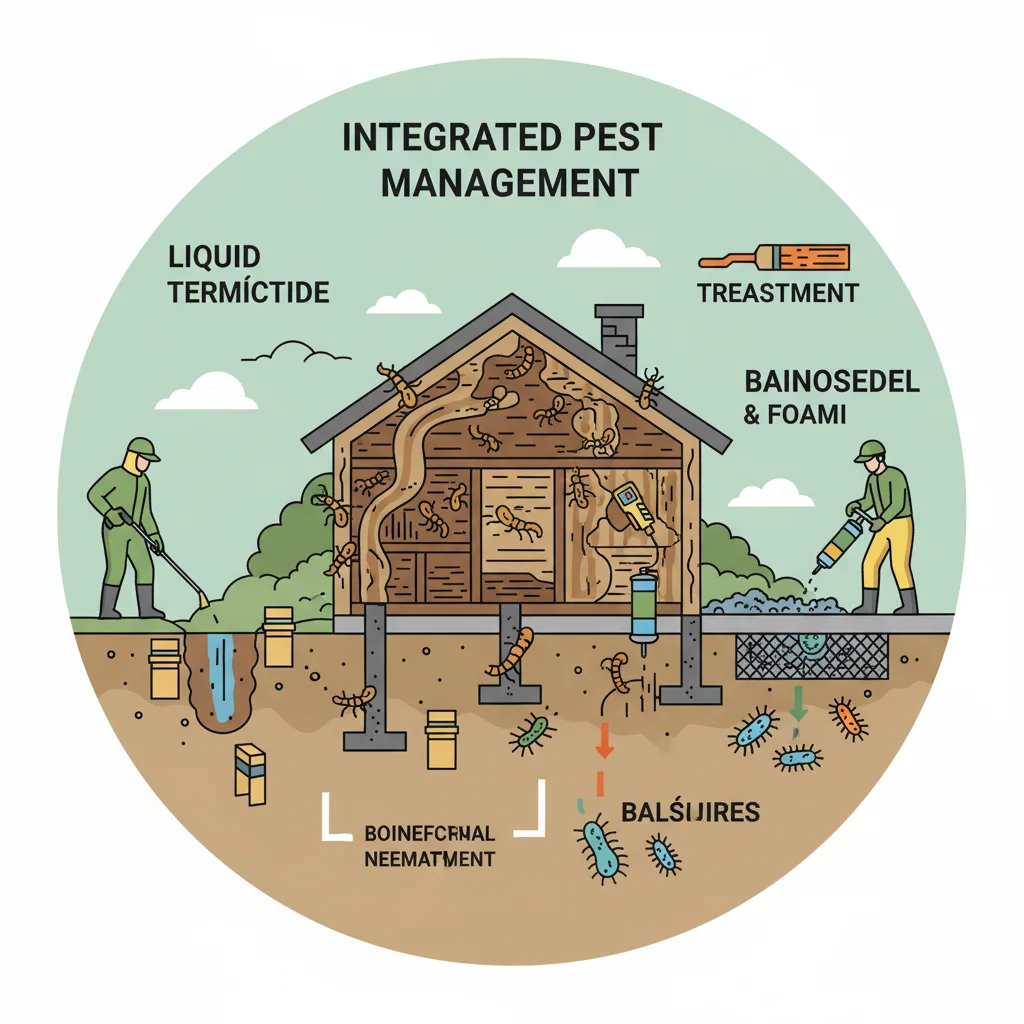
Integrated pest management combines multiple treatment approaches based on termite species, infestation extent, and property characteristics. This means selecting the most effective method for long-term control while minimizing environmental impact and treatment costs.
Subterranean termites require soil-applied treatments that create protective barriers around structures. Liquid termiticide barriers provide 5-10 years of subterranean termite protection when properly applied, creating chemical zones that kill termites attempting to reach wood.
| Treatment Method | Best For | Duration | Cost Range |
|---|---|---|---|
| Liquid soil barrier | Subterranean termites | 5-10 years | $800-1,500 |
| Termite bait systems | Subterranean colonies | 2-5 years | $1,200-2,000 |
| Tent fumigation | Widespread drywood | 1-3 years | $1,200-2,800 |
| Spot treatments | Localized drywood | 1-2 years | $300-800 |
| Heat treatment | Drywood in furniture | Immediate | $400-1,200 |
Liquid termiticides get injected into soil around foundation perimeters and under concrete slabs. The chemical barrier kills termites that contact treated soil while traveling between colonies and food sources. Modern non-repellent formulations allow termites to pass through treated areas, spreading termiticide to colony members through grooming and food sharing.
Bait systems use monitoring stations placed around property perimeters. Stations contain wood or cellulose attractants that termites discover during foraging. Once feeding activity begins, baits replace attractants with slow-acting toxins that termites carry back to colonies. Complete colony elimination takes 3-6 months.
Drywood termites need treatments that penetrate wood directly. Tent fumigation covers entire structures with tarps, then introduces sulfuryl fluoride gas that penetrates all wood surfaces. Gas kills termites at all life stages but requires 2-3 days of occupant evacuation.
Spot treatments work for localized drywood infestations. Technicians drill into infested wood and inject liquid termiticides or foam formulations that kill termites within treated areas. Multiple treatments may be needed if colonies extend beyond initial treatment zones.
Heat treatment raises wood temperatures to 120-140°F for sustained periods. High heat kills termites without chemicals but requires specialized equipment and works best for furniture or isolated structural areas.
Method selection depends on species identification, infestation extent, and access limitations. Most properties need species-specific approaches rather than broad-spectrum treatments that may miss target areas.
How Do You Choose the Right Termite Exterminator in Tracy?
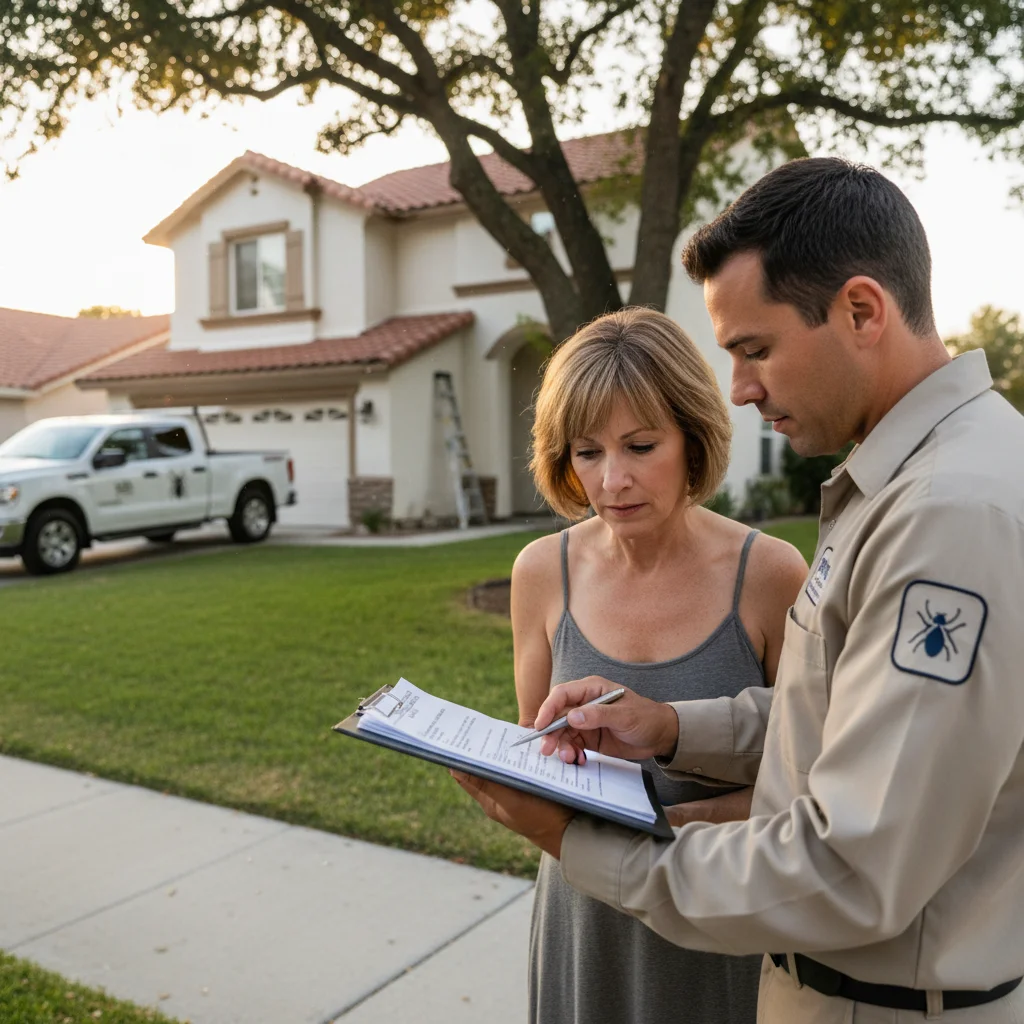
Selecting qualified termite contractors protects your investment and ensures treatment effectiveness. Licensed termite contractors in California must carry $1 million general liability insurance, but licensing alone doesn’t guarantee quality workmanship or appropriate treatment selection.
The CA Structural Pest Control Board maintains online databases where you can verify contractor licenses, check complaint histories, and confirm insurance coverage. Active licenses indicate companies meet continuing education requirements and follow state regulations.
Verify current licensing and insurance coverage: Check CA Structural Pest Control Board records for active licenses, complaint history, and insurance verification. Companies should provide license numbers and insurance certificates upon request.
Evaluate treatment method expertise: Different companies specialize in different approaches. Some focus on liquid soil treatments, others emphasize bait systems or fumigation. Match contractor expertise to your specific termite species and treatment needs.
Review warranty terms and transferability: Standard warranties range 1-5 years depending on treatment method. Quality contractors offer detailed warranty terms, annual inspection schedules, and clear coverage limitations. Transferable warranties add value for future property sales.
Assess local experience and references: Tracy’s specific soil conditions, construction types, and termite species require local knowledge. Request references from recent customers and verify treatment results through follow-up inspections.
Compare detailed treatment proposals: Quality contractors provide specific treatment plans, chemical products, application methods, and timeline estimates. Avoid companies that give verbal estimates or generic treatment descriptions.
Red flags include door-to-door solicitation, pressure for immediate contracts, unusually low bids, or companies that can’t provide licensing verification. Quality termite work requires proper equipment, licensed technicians, and follow-up monitoring.
Treatment timing affects results. Some methods work better during specific seasons when termite activity peaks. Experienced contractors schedule treatments for optimal effectiveness rather than convenience.
What Should You Expect From Termite Treatment Warranties?

Warranty terms cover retreatment costs if termites return during specified coverage periods. Standard termite treatment warranties range from 1-5 years depending on treatment method, with liquid soil barriers typically offering longer coverage than spot treatments.
Comprehensive warranties include annual inspections, retreatment if new infestations develop, and repair coverage for additional damage. Basic warranties may only cover retreatment without damage repair or inspection services.
Maintaining warranty validity requires property owners to allow annual inspections, report new termite signs promptly, and avoid modifications that compromise treatment effectiveness. Landscape changes, irrigation additions, or structural alterations can void warranty protection.
Transferable warranties add property value and appeal to potential buyers. Quality termite management programs allow warranty transfer to new owners for small administrative fees, providing continued protection and peace of mind.
Warranty exclusions typically cover termite species not targeted by original treatment, damage from untreated areas, and problems caused by moisture issues or structural modifications. Read warranty terms carefully to understand coverage limitations.
Annual inspection requirements keep warranties active while monitoring treatment effectiveness. Missed inspections may void coverage even if no problems develop. Schedule inspections before warranty anniversary dates to maintain continuous protection.
Some warranties include retreat guarantees if treatments fail to control targeted termite species. Others provide damage repair coverage up to specified dollar amounts. Premium warranty programs offer comprehensive protection but cost more than basic coverage.
Frequently Asked Questions
How much does termite control cost in Tracy CA?
Termite treatment costs in Tracy range from $800-1,500 for liquid soil barriers against subterranean termites, while tent fumigation for drywood termites costs $1,200-2,800 depending on home size. Initial inspection fees typically run $75-150 but are often credited toward treatment.
Can I get same-day termite treatment in Tracy California?
Same-day termite treatment is possible for some localized drywood termite infestations using spot treatments. However, treatments like soil barriers or tent fumigation require advance scheduling and may need 2-3 days notice for preparation and application.
Do termite treatments work on both subterranean and drywood termites?
No single treatment eliminates both species effectively. Subterranean termites require soil-applied liquid barriers or bait systems, while drywood termites need wood-penetrating treatments or tent fumigation. Professional inspection determines which species are present and which treatment approach works.