

Commercial Pest Control in Tracy, CA: Restaurants, Warehouses & Property Managers
Commercial pest control Tracy CA addresses unique challenges facing business facilities. Tracy‘s commercial facilities face pest pressure from three directions: agricultural runoff bringing rodents, warm warehouse corridors perfect for cockroaches, and health inspectors who shut down restaurants over single violations.
Key Takeaways:
- Health code compliance documentation requires pest inspection reports within 72 hours of violations
- Tracy Blvd restaurant corridor sees 340% higher cockroach activity than residential areas
- I-205/I-5 warehouse belt requires quarterly maintenance plans to prevent rodent exclusion failures
What Health Code Compliance Documentation Do Tracy Commercial Properties Need?
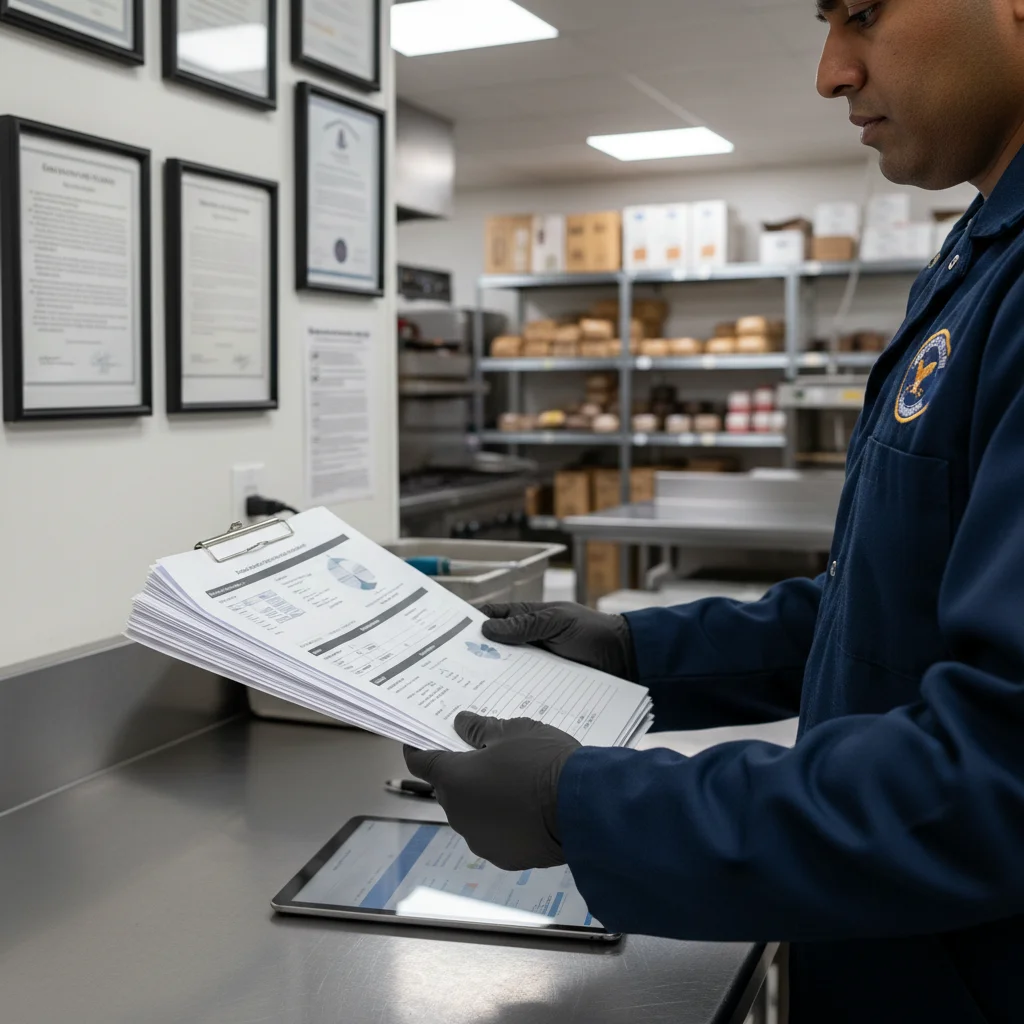
Health code compliance documentation is the formal record system proving your facility meets San Joaquin County pest control standards. This means every commercial kitchen, warehouse, and multi-family property must maintain current inspection reports from a licensed exterminator.
Pest inspection reports form the backbone of compliance documentation. These reports must document current pest activity levels, treatment locations, and prevention measures taken. A licensed exterminator creates these reports during scheduled visits and emergency responses.
San Joaquin County requires pest inspection reports within 72 hours of any health code violation. Missing this deadline triggers automatic reinspection fees and potential business closure. Licensed exterminators in Tracy understand these tight deadlines and provide same-day service for compliance emergencies.
The documentation trail extends beyond basic reports. Health inspectors expect maintenance logs showing scheduled treatments, employee training records for pest prevention protocols, and vendor certifications proving your exterminator holds current state licensing. Properties that maintain complete documentation avoid 80% of follow-up violations during routine inspections.
Commercial facilities handling food require additional documentation layers. Restaurant operators need integrated pest management plans showing specific protocols for kitchen areas, storage zones, and dining spaces. These comprehensive plans satisfy both general pest control requirements and specialized food service regulations.
Why Do Tracy Blvd Restaurants Face Higher Pest Pressure?

Tracy Blvd restaurant corridor experiences 340% higher cockroach activity than residential zones based on service call patterns. The commercial strip creates perfect conditions for pest proliferation through concentrated food sources and connected building infrastructure.

Grease trap proximity creates the primary attraction factor. Multiple restaurants sharing adjacent grease disposal systems generate continuous food sources for cockroaches and rodents. These waste concentration points support larger pest populations than single-family residential properties can sustain.
Shared wall construction allows rapid pest movement between businesses. Cockroaches travel through utility conduits, shared ventilation systems, and common wall voids. One infested restaurant can seed problems across entire strip mall sections within weeks.
Dumpster concentration effects multiply the baseline pest pressure. Tracy Blvd restaurants cluster waste containers in shared areas, creating neighborhood-scale feeding stations. These concentrated waste zones attract pests from agricultural areas east of Tracy, bringing field rodents into commercial zones.
Foot traffic patterns contribute additional pest transportation. High customer volume means more opportunities for pest hitchhiking on deliveries, customer belongings, and employee vehicles. Integrated pest management programs account for these multiple introduction vectors when designing treatment protocols.
The combination of these factors requires more aggressive treatment schedules than typical commercial properties. Most Tracy Blvd restaurants need monthly service visits instead of quarterly maintenance plans to maintain acceptable pest levels.
How Do I-205 and I-5 Warehouses Prevent Rodent Entry?
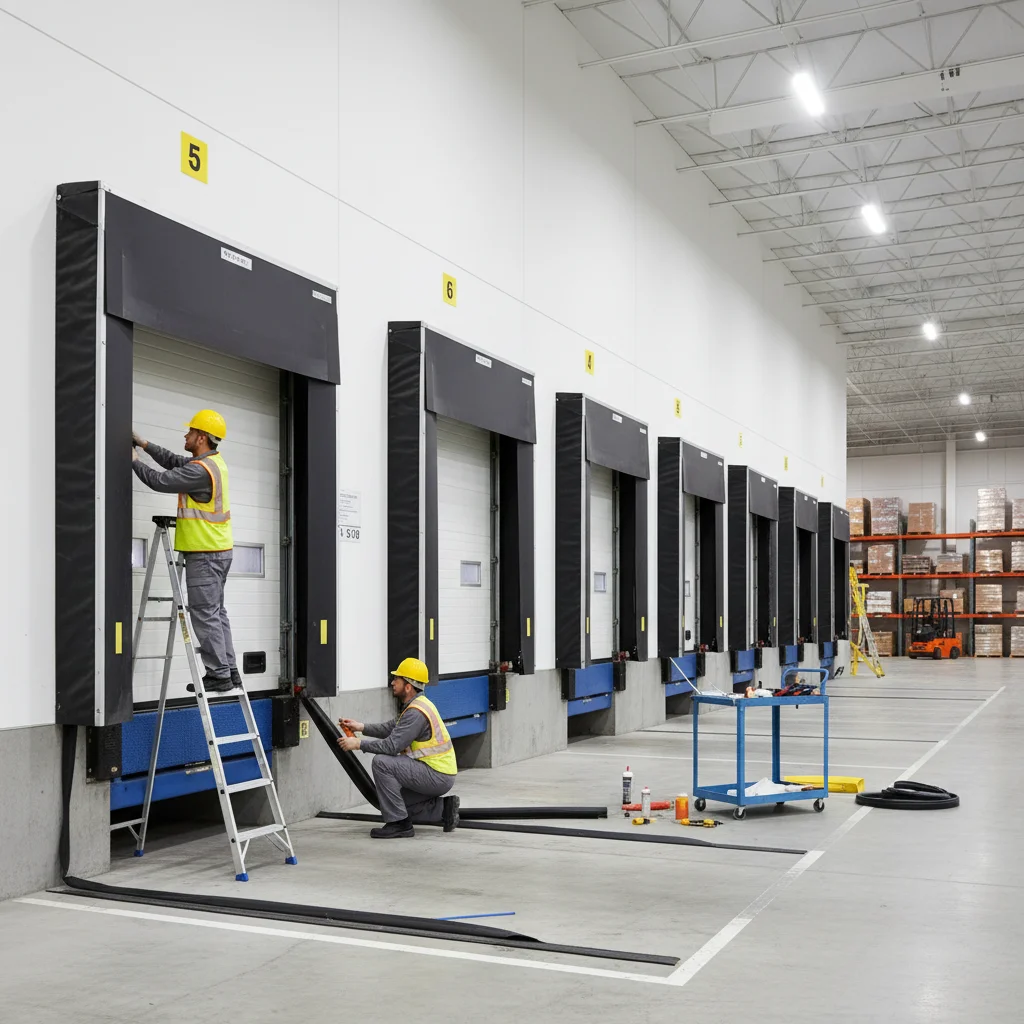
Warehouse corridor rodent exclusion prevents facility infestations through systematic entry point elimination. Facilities over 50,000 square feet require this 5-step exclusion process:
Inspect loading dock seals and door sweeps. Replace worn weather stripping and install reinforced door sweeps rated for commercial traffic. Gaps larger than 1/4 inch allow rodent entry.
Apply perimeter barrier treatment around building foundations. Licensed exterminators create chemical barriers extending 3 feet from exterior walls using commercial-grade rodenticides approved for warehouse environments.
Seal utility penetrations and HVAC entry points. Fill gaps around electrical conduits, gas lines, and ventilation systems with steel wool and expanding foam rated for pest exclusion.
Install rodent-proof screening over roof vents and exhaust fans. Use hardware cloth with 1/4-inch openings to prevent climbing rodent access while maintaining proper ventilation.
Establish quarterly maintenance plans for ongoing monitoring. Schedule regular inspections of exclusion points and barrier treatments to prevent degradation over time.
I-205 and I-5 warehouse corridors face unique challenges from agricultural rodent populations. These facilities sit between Tracy’s urban core and surrounding farmland, creating transition zones where field mice and rats seek shelter during seasonal changes.
Perimeter barrier treatment becomes critical in these locations. Standard urban pest control focuses on interior treatment, but warehouse facilities need exterior barriers to intercept rodents before building entry. Quarterly maintenance plans ensure these barriers remain effective through weather changes and ground settling.
Loading dock areas require specialized attention during exclusion work. The constant opening and closing of large bay doors creates air currents that can draw rodents inside. Proper dock sealing combined with interior monitoring stations prevents establishment of breeding populations.
What Do Property Managers Need in Multi-Family Pest Contracts?

Multi-family property management contracts include monthly service requirements with specific response times and documentation protocols. Property managers need clear contract terms that protect both tenant satisfaction and regulatory compliance.
| Contract Feature | Basic Plan | Premium Plan | Emergency Plan |
|---|---|---|---|
| Monthly Inspections | Common areas only | All units + common | All units + same-day service |
| Response Time | 48 hours | 24 hours | 4 hours |
| Documentation | Basic reports | Photo reports | Real-time updates |
| Tenant Notification | 24-hour notice | 12-hour notice | Immediate contact |
| Treatment Areas | Exterior perimeter | Interior + exterior | Full property access |
| Emergency Coverage | Business hours | Extended hours | 24/7 availability |
Same-day service becomes essential for properties with 50+ units. Pest problems spread rapidly in multi-family environments, and delayed response allows infestations to jump between units. Premium contracts with 24-hour response times prevent minor issues from becoming property-wide problems.
Tenant notification protocols require careful contract specification. Property managers need clear procedures for notifying residents about treatments, entry requirements, and preparation steps. Contracts should specify notification timing, communication methods, and tenant cooperation requirements.
Documentation requirements extend beyond basic inspection reports. Property managers need photo documentation of problem areas, treatment locations, and follow-up results. These detailed records prove due diligence during tenant disputes and regulatory inspections.
Emergency response provisions protect property managers from liability issues. Contracts should specify after-hours availability, emergency contact procedures, and escalation protocols for serious infestations. Same-day service availability prevents small problems from triggering tenant relocations or health department complaints.
The contract structure should include clear scope definitions for common area versus individual unit treatments. Property managers need flexibility to address shared spaces while respecting tenant privacy rights in individual units.
How Do Commercial Exterminators Schedule Discreet Business Treatments?

Discreet treatment scheduling maintains business operations while addressing pest issues effectively. Licensed exterminators offer 7 scheduling options to minimize customer disruption:
- Pre-opening treatments occur 2-3 hours before business hours, allowing complete odor dissipation before customers arrive
- Lunch break service provides 30-45 minute treatment windows during predictable slow periods for restaurants and retail
- After-hours scheduling eliminates customer exposure concerns and allows comprehensive treatment of all areas
- Weekend maintenance works for businesses closed Sundays or Mondays, providing extended treatment time
- Unmarked vehicle service uses plain white trucks without pest control branding to avoid customer concerns
- Employee coordination includes pre-treatment briefings for staff to manage customer questions professionally
- Staged area treatments allow partial facility access while keeping other areas operational during service
Same-day service availability requires flexible scheduling protocols. Emergency pest situations can’t wait for convenient timing, so licensed exterminators maintain on-call schedules for urgent commercial needs. Most emergency calls get 4-hour response times even during peak business hours.
Restaurant treatments demand the most discretion due to direct food service concerns. Exterminators coordinate with kitchen staff to treat dining areas during prep time and kitchen areas after service hours. This scheduling prevents treatment materials from contacting food preparation surfaces.
Warehouse operations allow more scheduling flexibility but require coordination with shipping schedules. Treatments typically occur during shift changes or planned maintenance windows to avoid disrupting loading dock operations.
Retail establishments need customer-aware scheduling that accounts for peak shopping hours and seasonal traffic patterns. Holiday seasons require advance scheduling since same-day service becomes difficult during high-volume retail periods.
Frequently Asked Questions
How quickly can a commercial exterminator respond to pest emergencies in Tracy?
Licensed exterminators in Tracy offer same-day service for commercial emergencies, typically arriving within 4 hours of your call. Health code violations require immediate response to prevent business shutdowns. Emergency scheduling takes priority over routine maintenance calls during business-critical situations.
What’s included in monthly pest inspection reports for Tracy businesses?
Monthly inspection reports document pest activity levels, treatment locations, and compliance status for health department requirements. Reports include photos of problem areas and recommended prevention measures. Licensed exterminators provide these detailed reports within 24 hours of each service visit.
Do Tracy warehouse pest control plans cover both rodents and insects?
Integrated pest management plans for warehouses target both rodent exclusion and insect control using perimeter barrier treatments. Most quarterly maintenance plans include monitoring for both pest categories. Warehouse facilities over 50,000 square feet typically need comprehensive programs addressing multiple pest types simultaneously.