
Signs of Termites in Your Home: What to Look For Before It Gets Worse
Signs of termites in house appear 6-18 months after colonies establish. Most homeowners discover damage when repairs cost thousands instead of hundreds. Early detection through pest control Tracy CA professionals prevents catastrophic structural damage.
Key Takeaways:
- Mud tubes wider than a pencil indicate active subterranean termite colonies requiring immediate professional treatment
- Hollow-sounding wood plus visible frass piles signal drywood termites that can destroy structural timber within 3-5 years
- Paint bubbling without water damage typically means termites have hollowed out the wood underneath
What Do Termite Mud Tubes Actually Look Like?
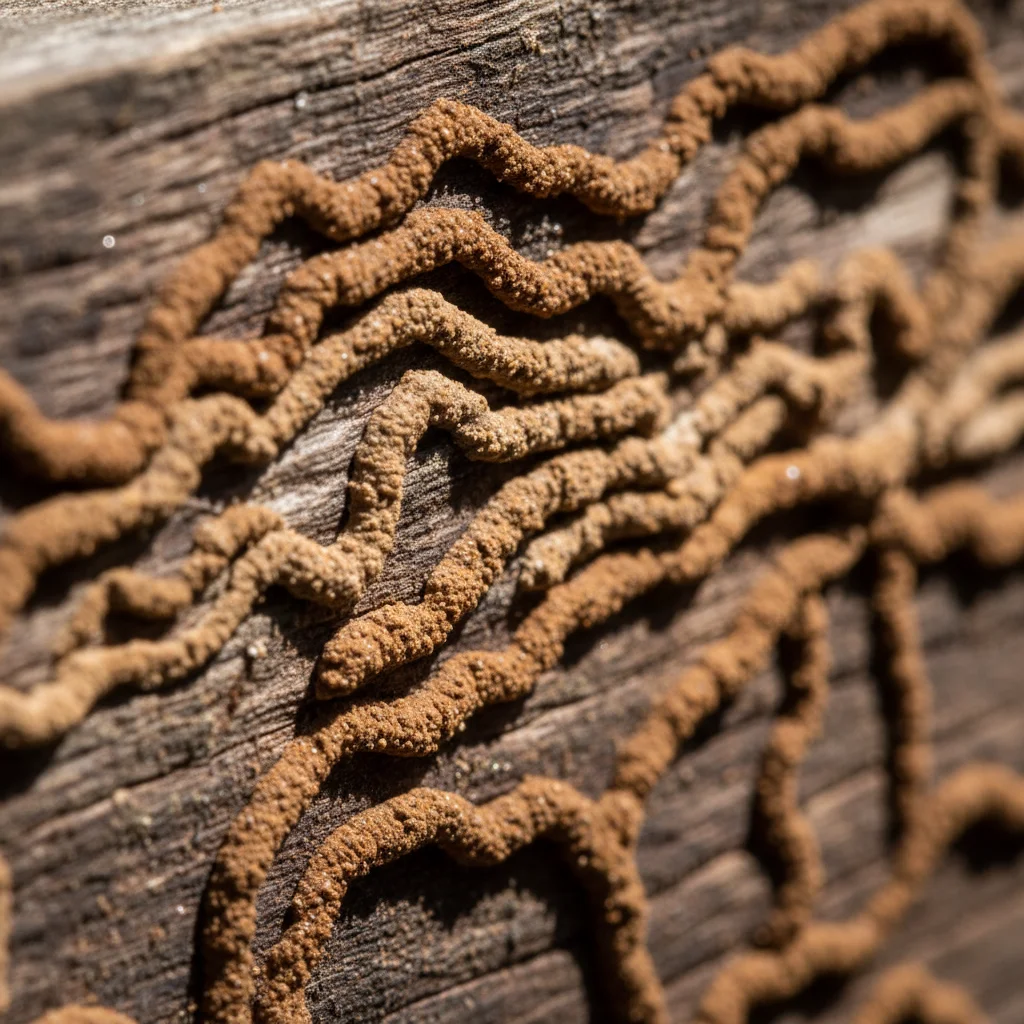
Subterranean termite mud tubes are protective highways connecting underground colonies to wood food sources. This means colonies transport thousands of workers daily through these earthen tunnels, making them the most reliable early warning system for homeowners.
Active mud tubes appear as brown, pencil-thick ridges along foundation walls, in crawl spaces, and where concrete meets wood. Fresh tubes feel slightly damp and crumble when broken, revealing white worker termites scrambling for cover. Active mud tubes are typically 1/4 to 1/2 inch wide with moist, fresh mud that termites repair within 24-48 hours if damaged.
Abandoned tubes look dry, brittle, and gray. They break cleanly without revealing live insects. However, termites often rebuild old tube routes during peak activity seasons from March through June in California.
Pest inspection professionals check tube interior surfaces for fresh mud streaks and termite debris. Tubes running up foundation walls toward floor joists indicate mature colonies feeding on structural wood. Tubes appearing near plumbing penetrations or concrete cracks show how subterranean termites exploit building vulnerabilities.
Width matters. Tubes thicker than a pencil suggest colonies exceeding 50,000 members – large enough to cause serious structural damage within 12-18 months without termite control Tracy CA intervention.
How to Identify Termite Droppings vs Other Wood Damage

Drywood termite frass pellets are the calling card of colonies eating your home from the inside out. These tiny pellets accumulate beneath infested wood, creating telltale piles that distinguish drywood termites from other wood-destroying pests and highlighting signs of termites in house.

| Feature | Drywood Termite Frass | Carpenter Ant Sawdust | Wood Rot Debris |
|---|---|---|---|
| Shape | Six-sided ridges, uniform | Round, irregular | Stringy, fibrous |
| Size | 1mm long, pellet-like | Mixed sizes, powdery | Variable chunks |
| Color | Wood-colored, consistent | Light tan to dark | Dark, discolored |
| Texture | Hard, dry pellets | Soft sawdust | Crumbly, damp |
| Pattern | Neat piles below holes | Scattered around entry | Mixed with fungal growth |
Termite frass pellets are 1mm long with six-sided ridges, unlike round carpenter ant sawdust. The hexagonal shape comes from termite intestinal structure – a unique identifier that pest inspectors use for definitive species identification.
Frass piles appear beneath small, round holes in wood surfaces. Drywood termites push pellets out through these kick-out holes, creating cone-shaped accumulations on floors or furniture below infested beams. Fresh frass indicates active feeding, while old piles appear dusty and scattered.
Location patterns matter. Frass beneath exposed beams suggests established colonies in structural lumber. Piles near furniture legs or wooden fixtures indicate localized infestations that can spread to building components without professional treatment. These are key signs of termites in house requiring treatment.
The Tap Test: How to Check Wood for Hollow Termite Damage
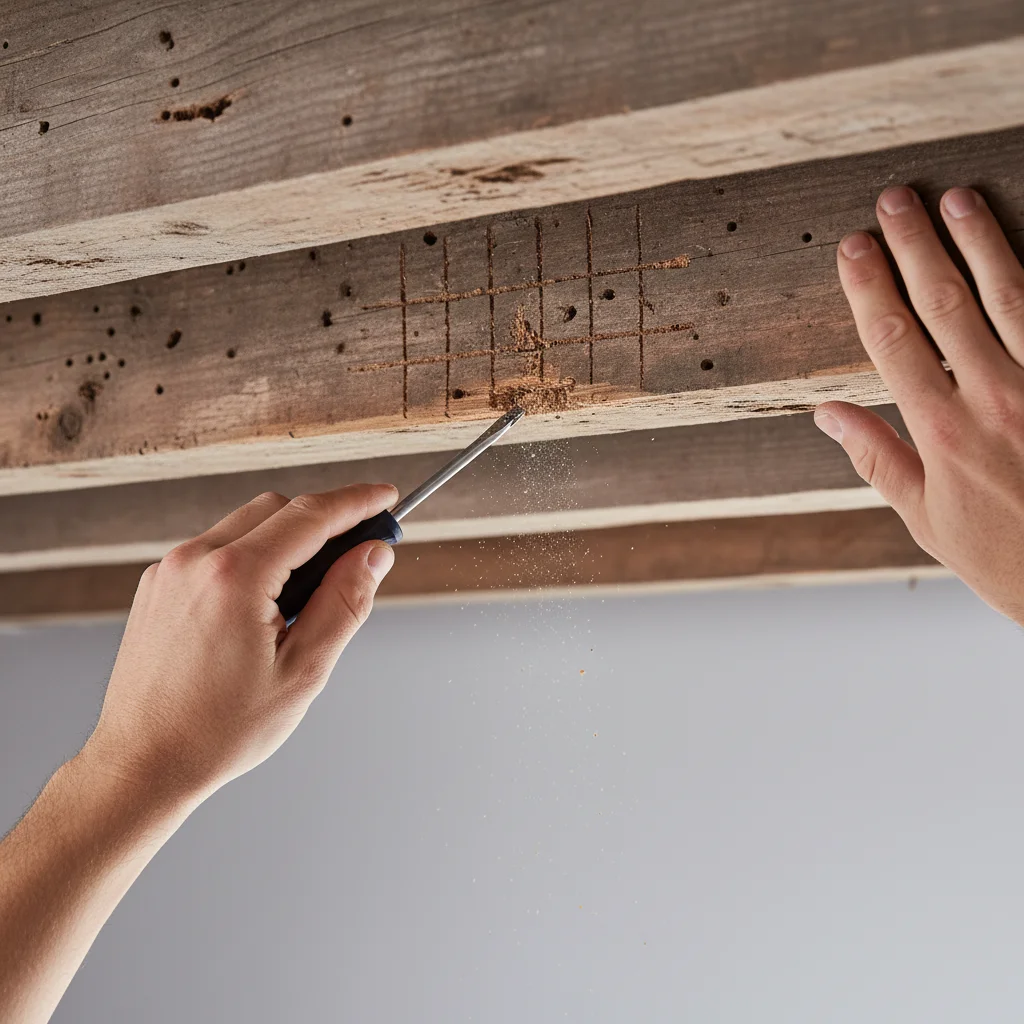
Hollow wood indicates termite damage has progressed beyond surface feeding into structural compromise. The tap test reveals internal damage before visible exterior signs appear.
Use a screwdriver handle or hammer to tap suspected wood surfaces with firm, consistent strikes. Start with areas near moisture sources, foundation contacts, and previous termite activity.
Listen for sound differences between suspected and known-good wood sections. Termite-damaged wood produces a papery, hollow sound compared to solid wood’s sharp thud.
Test baseboards, door frames, and window sills first since these areas contact foundation elements where subterranean termites typically enter structures.
Press suspected areas gently after tapping. Termite-damaged wood may flex, crack, or show surface depression under minimal pressure.
Document hollow-sounding locations for WDO inspection report documentation. Professional inspectors use moisture meters and probes to confirm internal damage extent.
Check surrounding wood within 3-6 feet of hollow areas since termite colonies create feeding galleries that extend beyond obvious damage points.
Suspicious sounds warrant immediate professional evaluation. Hollow wood in load-bearing members requires structural assessment before termite treatment planning.
Termite Wings vs Flying Ant Wings: Spotting the Difference
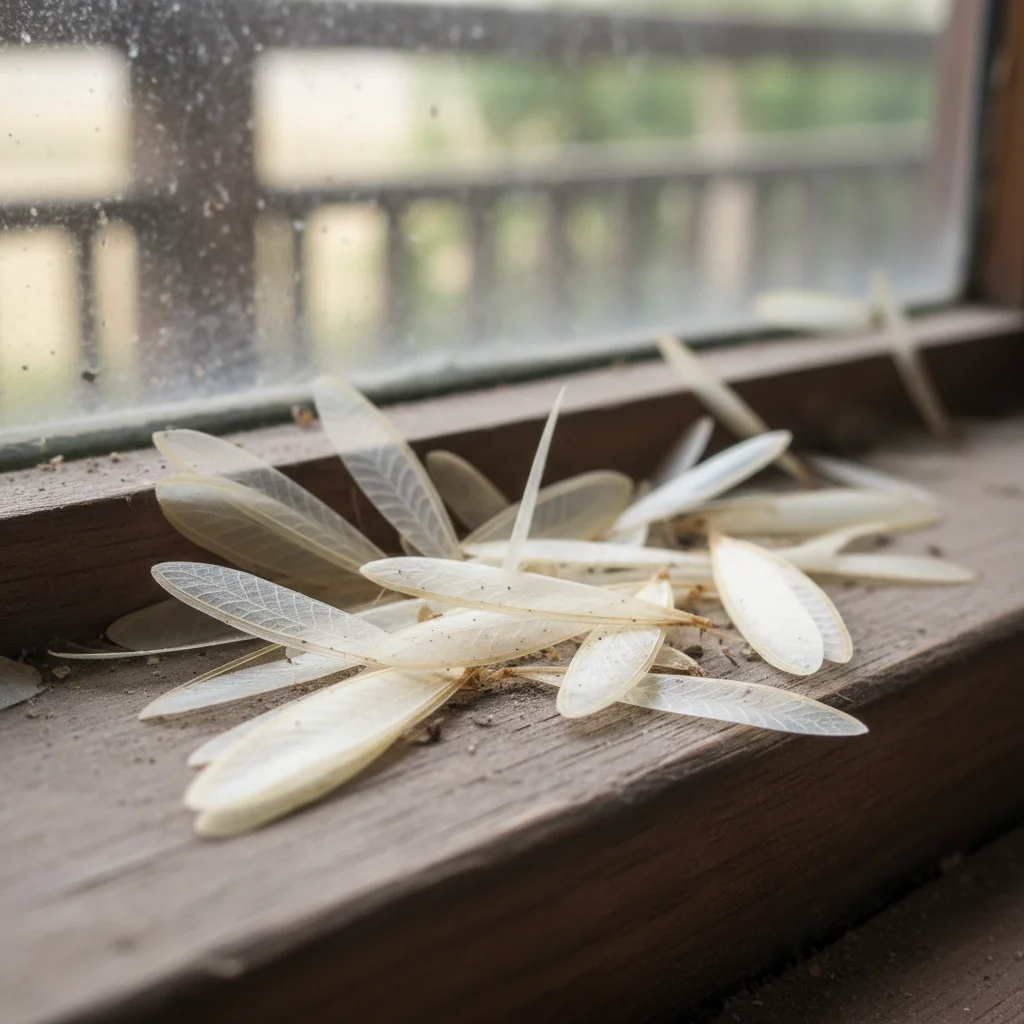
Termite swarmers shed wings near entry points during mating flights, leaving behind crucial identification evidence. Wing characteristics distinguish between termite species and help determine colony maturity and treatment urgency.
| Feature | Termite Wings | Flying Ant Wings | Identification Impact |
|---|---|---|---|
| Length | Equal fore and hind wings | Unequal sizes | Definitive species ID |
| Veins | Straight, parallel | Branched, networked | Professional confirmation |
| Shape | Elongated, narrow | Broader, triangular | Field identification |
| Breakage | Clean break at body | Jagged, partial shedding | Activity timeline |
| Season | Spring and fall peaks | Summer concentrated | Treatment timing |
Termite wings are equal length with straight veins, while ant wings have unequal sizes with branched veins. This difference allows homeowners to distinguish between species before professional identification.
Subterranean termites swarm during warm, humid days following rain, typically March through May in Tracy’s climate. Drywood termites swarm during hot, dry periods from September through November. Seasonal timing helps identify species and predict colony behavior.
Wing accumulations near windows, doors, and light fixtures indicate swarmers entered from outside colonies. Wings found in interior rooms suggest established colonies swarming from within wall voids or structural members.
Large wing piles indicate mature colonies capable of reproduction – meaning extensive feeding damage may already exist. Small wing collections suggest younger colonies or satellite infestations from primary sites.
Paint Problems That Actually Signal Termite Activity
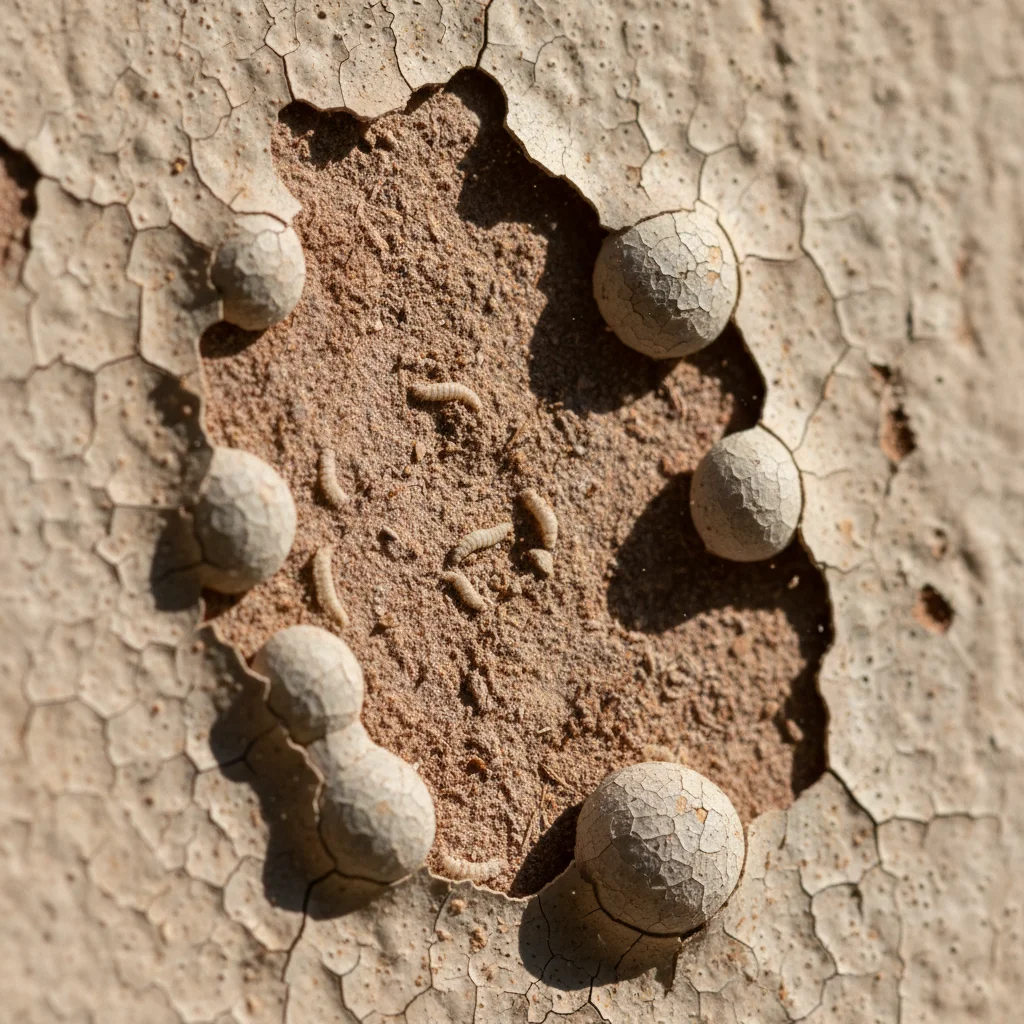
Paint bubbling reveals termite damage underneath when wood structure deteriorates from internal feeding. Unlike water damage, termite-caused paint problems appear without moisture stains or obvious water sources.
Paint bubbles without water stains indicate termites have consumed the wood’s cellulose structure, creating air gaps between paint and weakened wood surfaces. This pattern appears most commonly on baseboards, window trim, and door frames where termites enter through foundation contact points.
Baseboards showing paint separation often hide subterranean termite mud tubes or galleries running along the wood-to-concrete junction. Window and door frames with paint bubbling may contain drywood termite colonies accessed through small entry holes.
Paint adheres poorly to termite-damaged wood because colonies consume cellulose fibers that provide structural integrity. As wood loses density, paint cannot bond properly and separates in characteristic bubble patterns.
Integrated pest management approaches address paint problems by treating underlying termite activity rather than cosmetic repairs. Repainting over active infestations wastes money and delays necessary pest control intervention.
Professional inspectors probe beneath bubbled paint to assess damage extent and identify active colonies. Paint problems combined with other termite signs warrant immediate WDO inspection scheduling.
When Signs Require Urgent Treatment vs Ongoing Monitoring
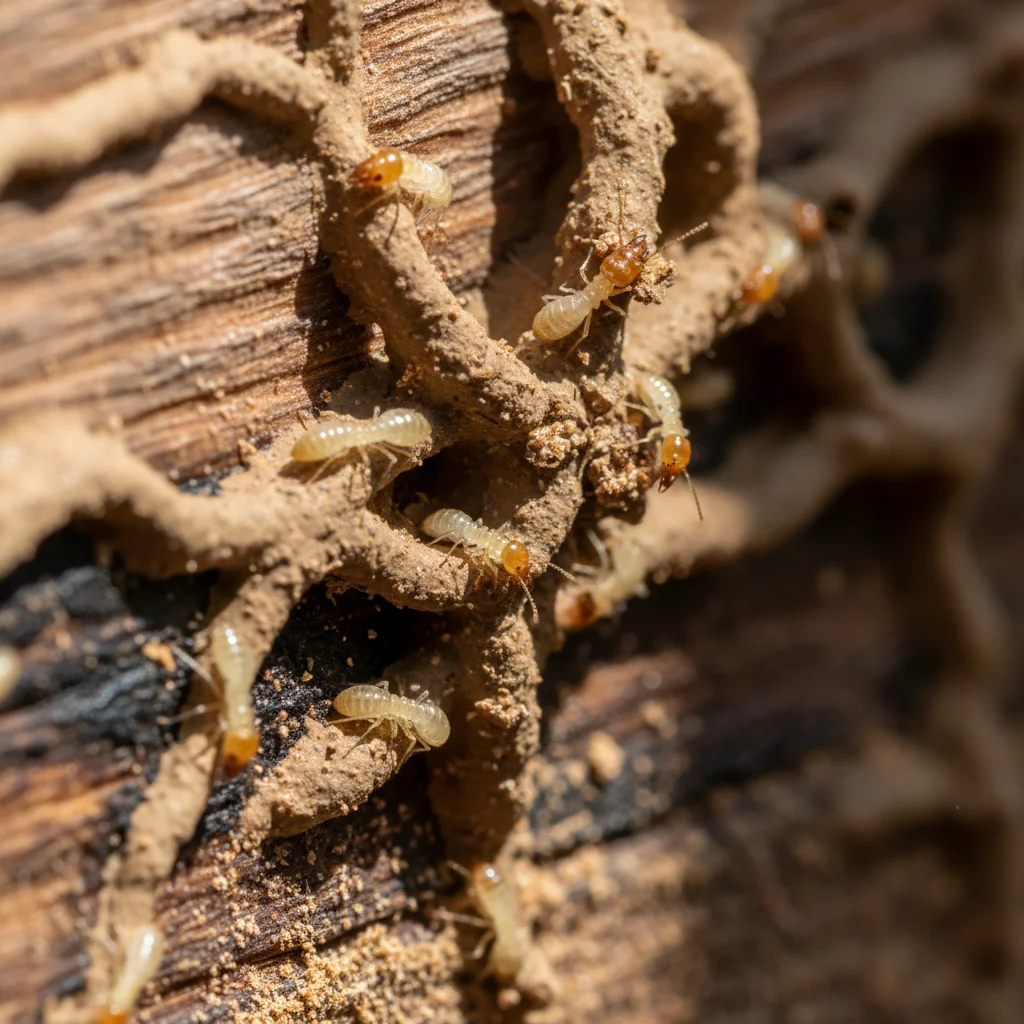
Active termite signs require immediate professional response to prevent accelerating structural damage, while inactive indicators may warrant monitoring approaches under specific conditions.
- Fresh mud tubes with moist earth and visible worker termites indicate colonies producing 1,000+ new termites monthly and require immediate CA Structural Pest Control Board licensed treatment
- Accumulating frass piles beneath kick-out holes signal active drywood termite feeding that can compromise structural timber within 18-24 months without intervention
- Multiple swarmers emerging from interior walls or floors reveal established colonies ready for reproduction and territorial expansion throughout the structure
- Hollow wood sounds in load-bearing members suggest advanced damage requiring structural assessment before pest treatment planning
- Paint bubbling patterns spreading across multiple rooms indicate extensive colony networks that demand comprehensive treatment protocols
Seasonal activity patterns affect treatment urgency in Tracy’s Mediterranean climate. Spring mud tube activity coincides with peak subterranean termite foraging when soil moisture supports maximum colony expansion. Fall drywood swarmer emergence indicates mature colonies preparing winter survival strategies.
Tracy’s slab construction hides subterranean termite activity until damage becomes severe. Concrete foundations force termites to build exposed mud tubes up exterior walls, making early detection possible for alert homeowners.
WDO inspection reports document active versus inactive termite signs for treatment planning. Licensed inspectors differentiate between emergency interventions and monitoring situations based on species, damage extent, and seasonal activity patterns.
Frequently Asked Questions
Can I see live termites crawling around my house?
Worker termites rarely appear in the open since they’re blind and avoid light. You might see winged swarmers during spring mating flights, but most termite activity happens inside wood or underground tunnels where colonies stay hidden.
Do termites make noise I can hear in walls?
Termites produce faint clicking or rustling sounds when disturbed, but these noises are usually too quiet to hear without pressing your ear directly against infested wood. Loud scratching sounds typically indicate mice or rats, not termites.
Why do termite signs appear suddenly after years?
Termite colonies work silently for 3-5 years before producing visible damage like mud tubes or frass piles. Once colonies mature to 60,000+ members, their feeding accelerates rapidly and signs become obvious within months.