
Subterranean vs Drywood Termites California, Treatment Differences Explained
Subterranean vs drywood termites California homeowners face, require completely different treatments. Most can’t tell the difference between species, yet the wrong treatment wastes thousands and leaves colonies untouched.
Key Takeaways:
- Subterranean termites live in soil and build mud tubes, drywood termites live entirely inside wood and leave frass piles
- Fumigation kills drywood colonies but does nothing to subterranean termites in soil, liquid barrier treatment works on subterranean but can’t reach drywood inside walls
- Tracy CA sees 85% subterranean termites due to irrigation moisture, visual inspection by licensed operators identifies which species before treatment
Where Do Subterranean and Drywood Termites Actually Live?
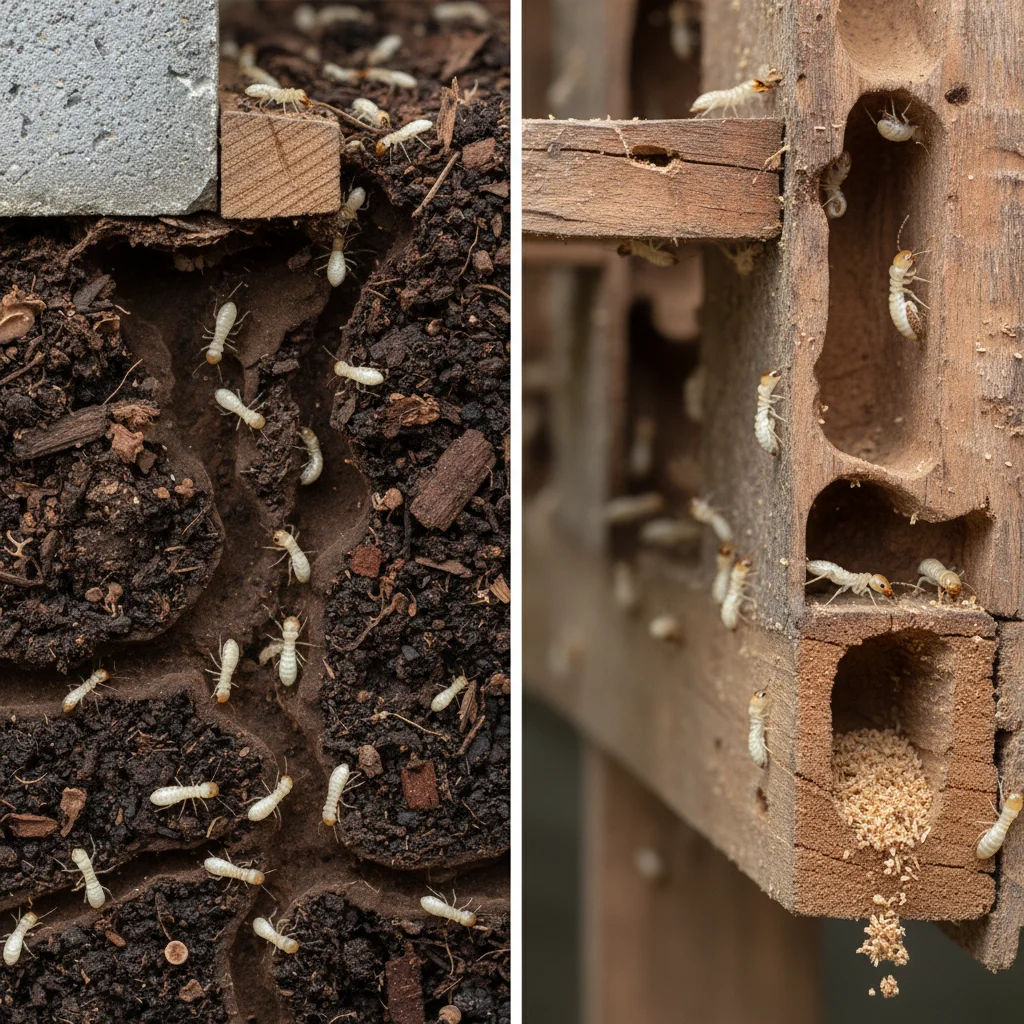
Subterranean termites nest in soil beneath structures. This single fact drives every treatment decision for termite control Tracy CA specialists.
Drywood termites live entirely within wood structures. They never touch soil. They excavate galleries inside wooden beams, furniture, and structural elements. No soil contact means no mud tube construction.
Subterranean colonies extend through underground tunnel systems. These galleries can reach 150 feet underground from the structure. Workers travel between soil nests and wooden food sources through mud tubes they build along foundation walls, concrete slabs, and pier supports.
| Feature | Subterranean Termite | Drywood Termite |
|---|---|---|
| Primary Habitat | Soil beneath structures | Inside wood structures |
| Colony Location | Underground galleries | Within wooden elements |
| Soil Contact | Required for survival | Never contacts soil |
| Maximum Distance | 150 feet from structure | Limited to infested wood |
| Moisture Source | Soil moisture | Wood moisture content |
Location differences explain why pest control Tracy CA companies use different chemicals for each species. Subterranean colonies in soil need liquid barriers or bait stations placed in earth. Drywood colonies inside walls need fumigation gas or direct wood injection.
Structural pest control board regulations require operators to identify habitat before recommending treatment. Wrong species identification leads to failed treatments and continued damage.
How Do You Identify Mud Tubes vs Frass Evidence?
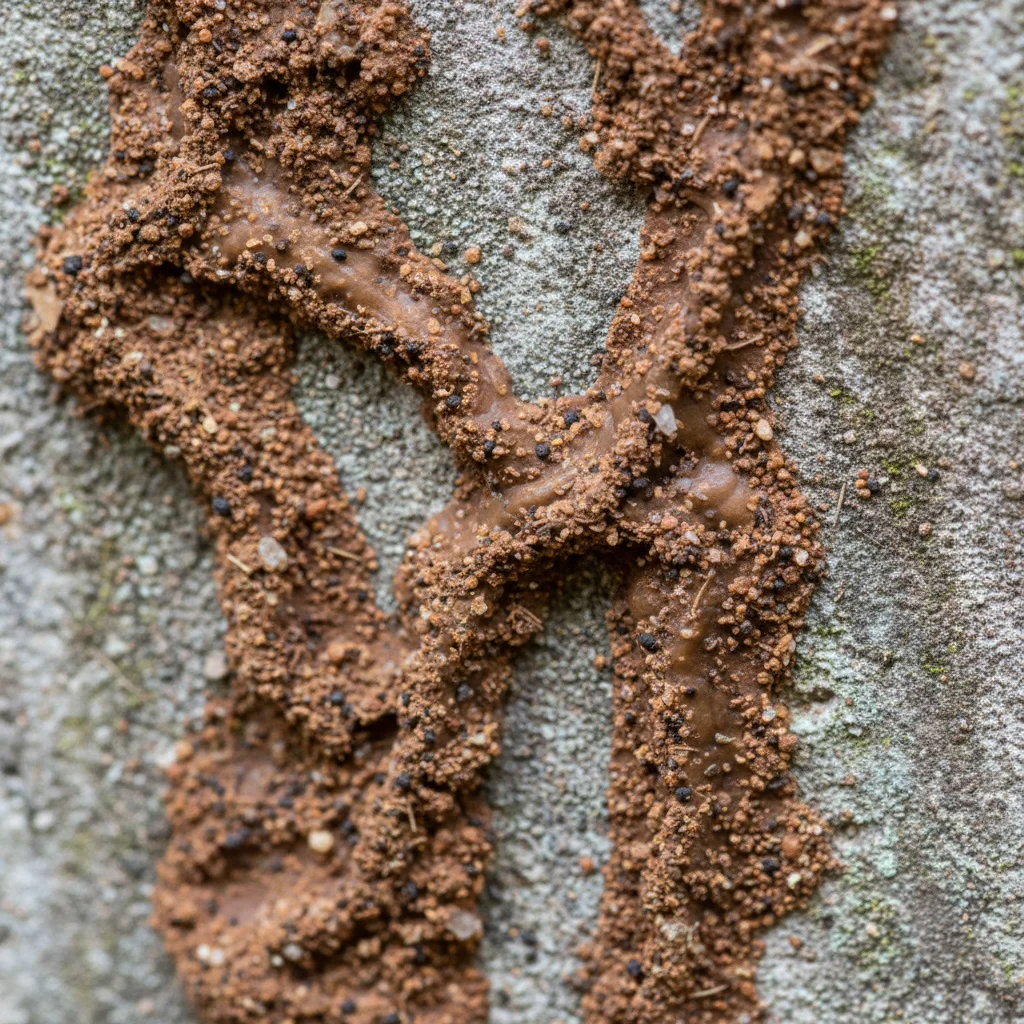
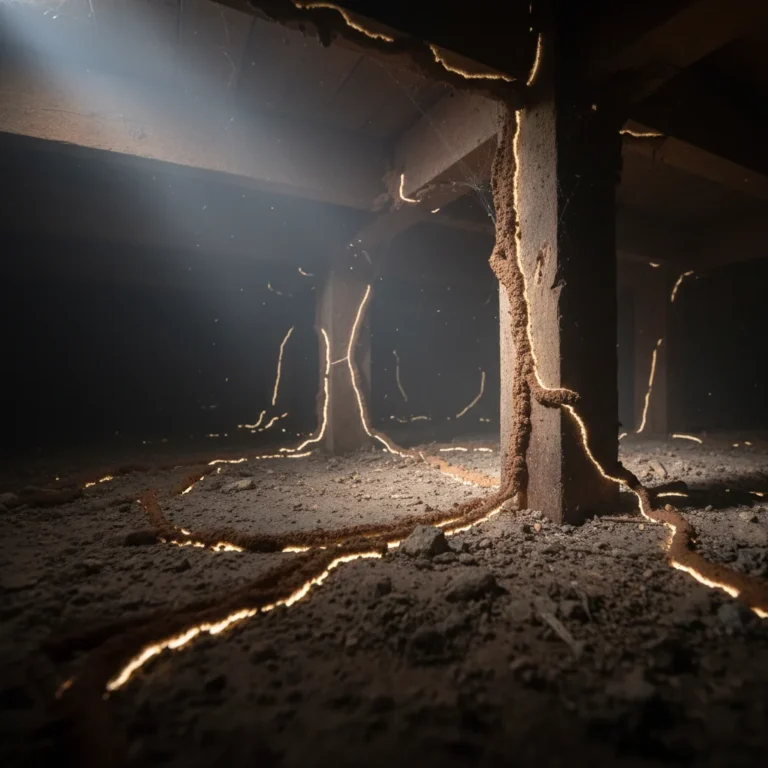
Mud tubes indicate subterranean termite activity. These pencil-thick tunnels appear along foundation walls, crawl spaces, and basement areas where wood meets concrete.

Pest inspection reports document tube construction materials. Subterranean workers mix soil particles, saliva, and fecal matter to build protective highways. Tubes maintain moisture for workers traveling between soil colonies and wooden food sources.
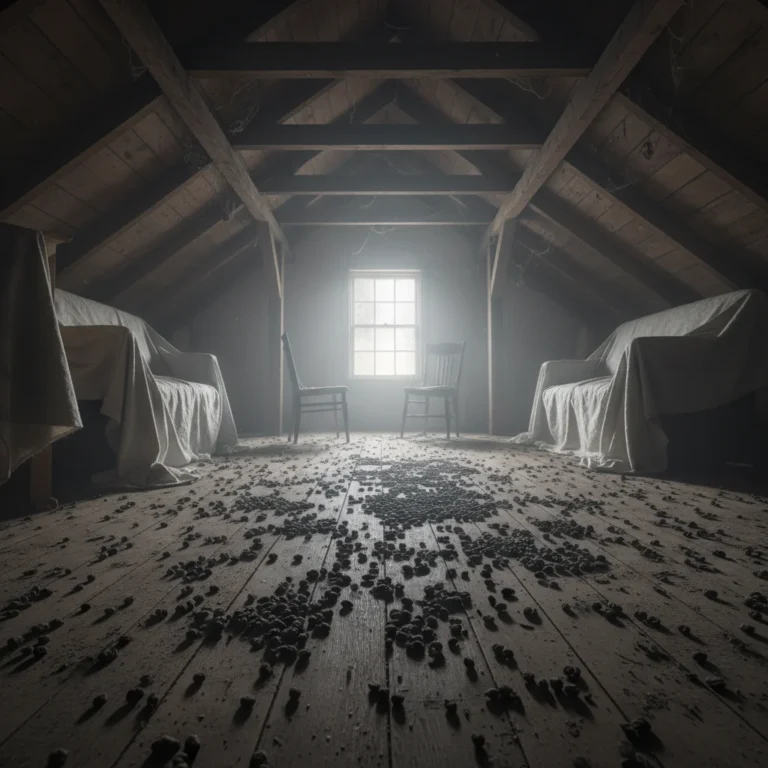
Frass pellets signal drywood termite presence. These tiny wooden pellets measure 1mm and have six concave sides. Drywood termites kick frass out of galleries through small holes they create in infested wood.
| Feature | Subterranean Evidence | Drywood Evidence | Pest Inspection Notes |
|---|---|---|---|
| Primary Sign | Mud tubes | Frass pellets | Species determination |
| Location Found | Foundation walls | Below infested wood | Documentation required |
| Tube Material | Soil and saliva | Not applicable | Construction analysis |
| Pellet Size | Not applicable | 1mm with six sides | Microscopic verification |
| Seasonal Variation | Year-round activity | Seasonal pushing | Activity timing |
Inspectors look for secondary evidence during examinations. Subterranean damage shows soil staining in wood galleries. Drywood damage appears clean with smooth gallery walls.
Wing piles after swarming events help identify species. Subterranean swarmers drop wings near soil entry points. Drywood swarmers shed wings directly below exit holes in infested wood.
Licensed operators measure pellet dimensions and tube composition for species verification. State regulations require documented evidence before treatment recommendations.
Why Does Fumigation Work for Drywood but Not Subterranean Termites?
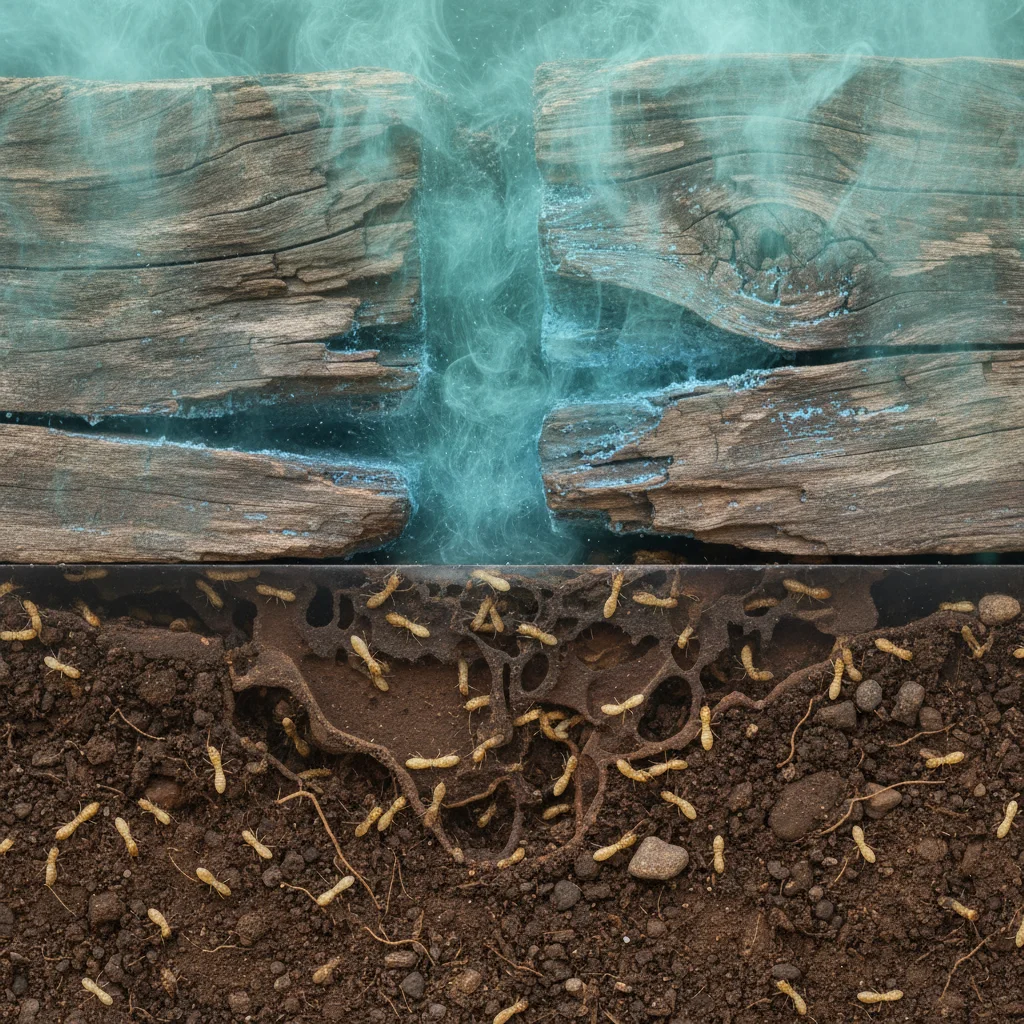
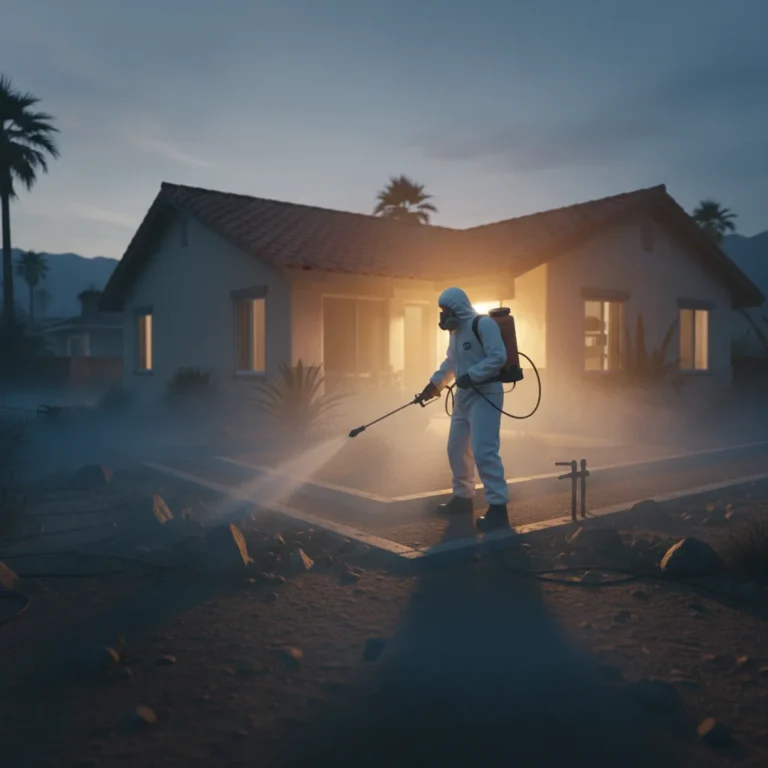
Fumigation is gas treatment that penetrates wood structures completely. This means the gas reaches every wooden element inside the sealed structure but cannot penetrate soil where subterranean colonies live.
Vikane gas moves through wood grain and air spaces within walls, attics, and structural elements. Drywood termites living inside these wooden areas die from gas exposure. However, subterranean colonies remain 100% protected in soil beneath and around the structure.
Integrated pest management protocols recognize this limitation. Fumigation reaches 100% of wood structure but zero penetration into soil. The gas dissipates into air rather than penetrating earth.
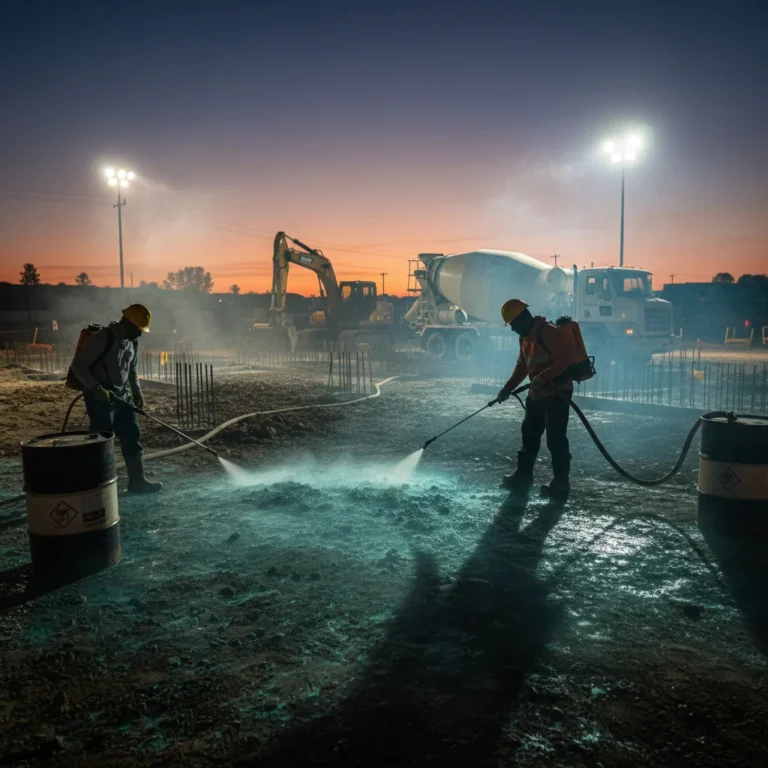
Liquid barrier treatments work opposite to fumigation. Chemical barriers applied to soil create zones toxic to subterranean termites. Workers die when crossing treated soil areas while traveling to wooden food sources.
Barrier chemicals cannot reach drywood colonies inside walls. The liquid stays in soil and cannot penetrate through wood to reach interior galleries where drywood termites live.
This explains why combination infestations need dual treatments. Properties with both species require fumigation for drywood colonies plus liquid barrier for subterranean colonies. Single-method treatments fail against mixed infestations.
CA Structural Pest Control Board regulations prohibit using fumigation alone when subterranean evidence exists. Operators must treat soil-dwelling colonies separately from wood-dwelling colonies.
Treatment timing affects success rates. Fumigation works immediately on drywood colonies but liquid barriers need 30-90 days to eliminate subterranean colonies as workers encounter treated soil zones.
What Termite Species Dominate Tracy CA Properties?
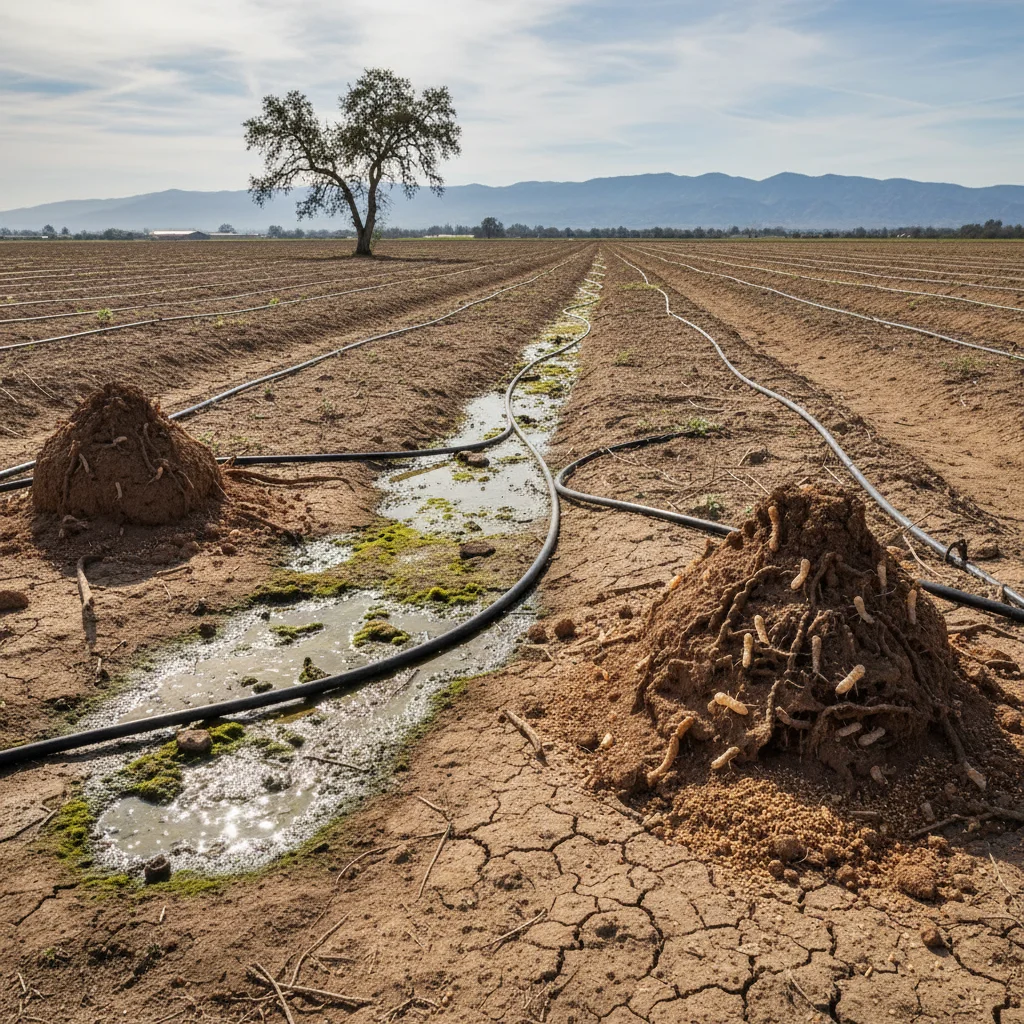
Tracy CA experiences predominantly subterranean termite activity. Inspection reports show 85% subterranean vs 15% drywood termite occurrences on local properties.
Irrigation systems create ideal subterranean termite habitat throughout the Central Valley. Agricultural water, landscaping moisture, and seasonal flooding maintain soil moisture levels that support large underground colonies.
Local species patterns include:
Western subterranean termites dominate residential areas with established landscaping and sprinkler systems that provide consistent soil moisture.
Desert subterranean termites appear in newer developments where natural soil moisture is lower but irrigation creates favorable microclimates.
Drywood termites occur mainly in older wooden structures with moisture intrusion problems or homes with untreated lumber exposed to weather.
Mixed infestations happen when both soil moisture and wood moisture conditions exist simultaneously on the same property.
Summer pest control tips Tracy CA specialists recommend focus on moisture reduction because local climate patterns favor subterranean species. Reducing irrigation near foundations cuts colony establishment rates.
Seasonal activity peaks during spring months when soil temperatures warm and colony reproduction increases. Subterranean swarms typically appear February through May in the Tracy area.
Property age influences species occurrence. Homes built before 1990 show higher drywood termite rates due to untreated lumber use. Newer construction faces mainly subterranean pressure from landscape irrigation.
How Do Colony Sizes Affect Treatment Requirements?
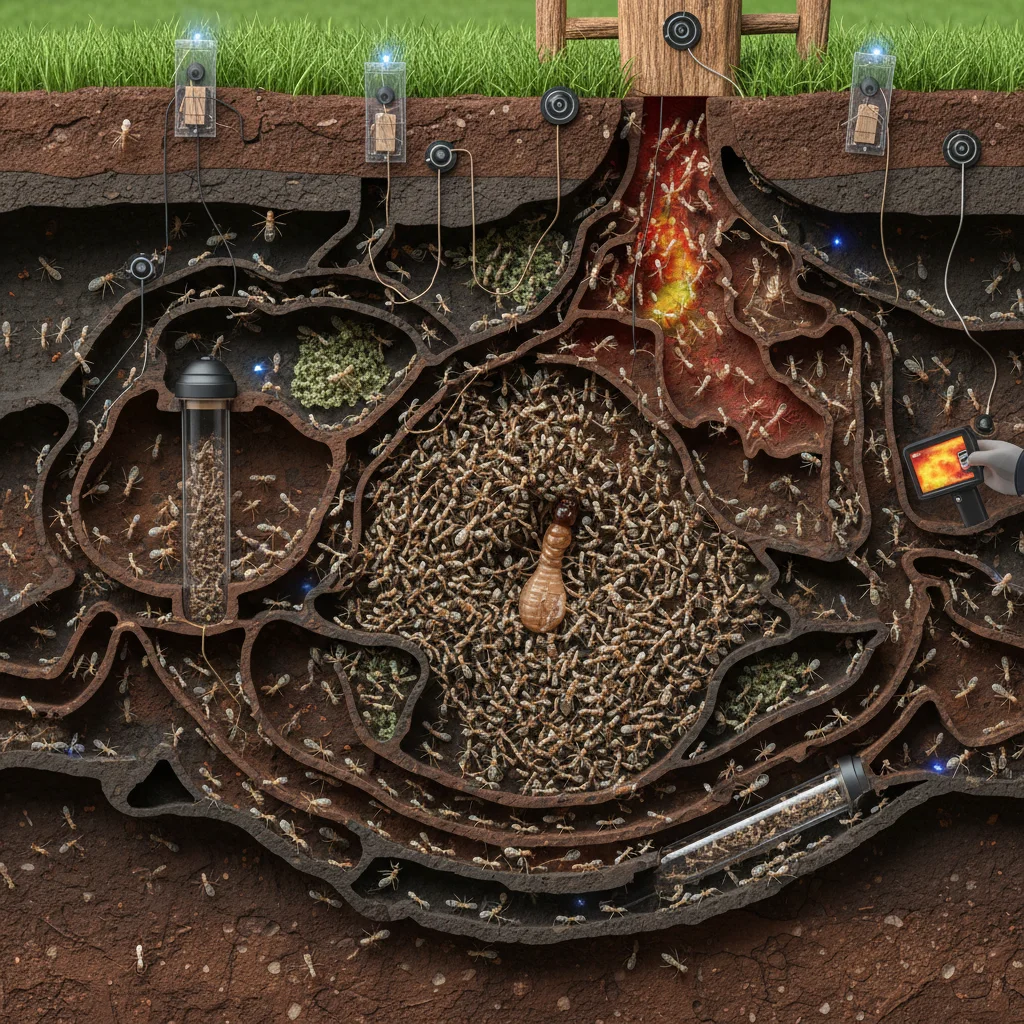
Subterranean colonies contain hundreds of thousands of termites. These massive populations require ongoing monitoring and retreatment protocols that drywood infestations do not need.
WDO inspection reports document colony size estimates based on damage extent and activity levels. Large subterranean colonies show multiple mud tube systems, extensive wood damage, and high termite traffic in galleries.
Drywood colonies remain much smaller with populations of 1,000-3,000 termites per colony. Limited population size means single fumigation treatments typically eliminate entire colonies without ongoing monitoring requirements.
| Feature | Subterranean Colony | Drywood Colony |
|---|---|---|
| Population Size | 60,000-1 million termites | 1,000-3,000 termites |
| Colony Structure | Multiple interconnected nests | Single isolated colony |
| Treatment Duration | 90 days minimum monitoring | Single fumigation event |
| Retreatment Need | Annual inspection required | Warranty period only |
| Damage Speed | Rapid widespread destruction | Slow localized damage |
Large subterranean colonies can damage structural elements within months of establishment. Multiple foraging teams work simultaneously on different parts of the structure. This rapid damage potential requires immediate liquid barrier treatment.
Small drywood colonies take years to cause significant structural damage. Single colonies focus on individual wooden elements rather than attacking multiple areas simultaneously.
Monitoring requirements differ based on colony size. Subterranean infestations need bait station checks every 90 days until elimination is confirmed. Drywood treatments require single post-fumigation inspection after gas dissipation.
Treatment costs scale with colony size. Large subterranean colonies may need multiple chemical applications and extended monitoring. Small drywood colonies need single-event treatment with shorter warranty periods.
When Do Each Species Swarm in California?
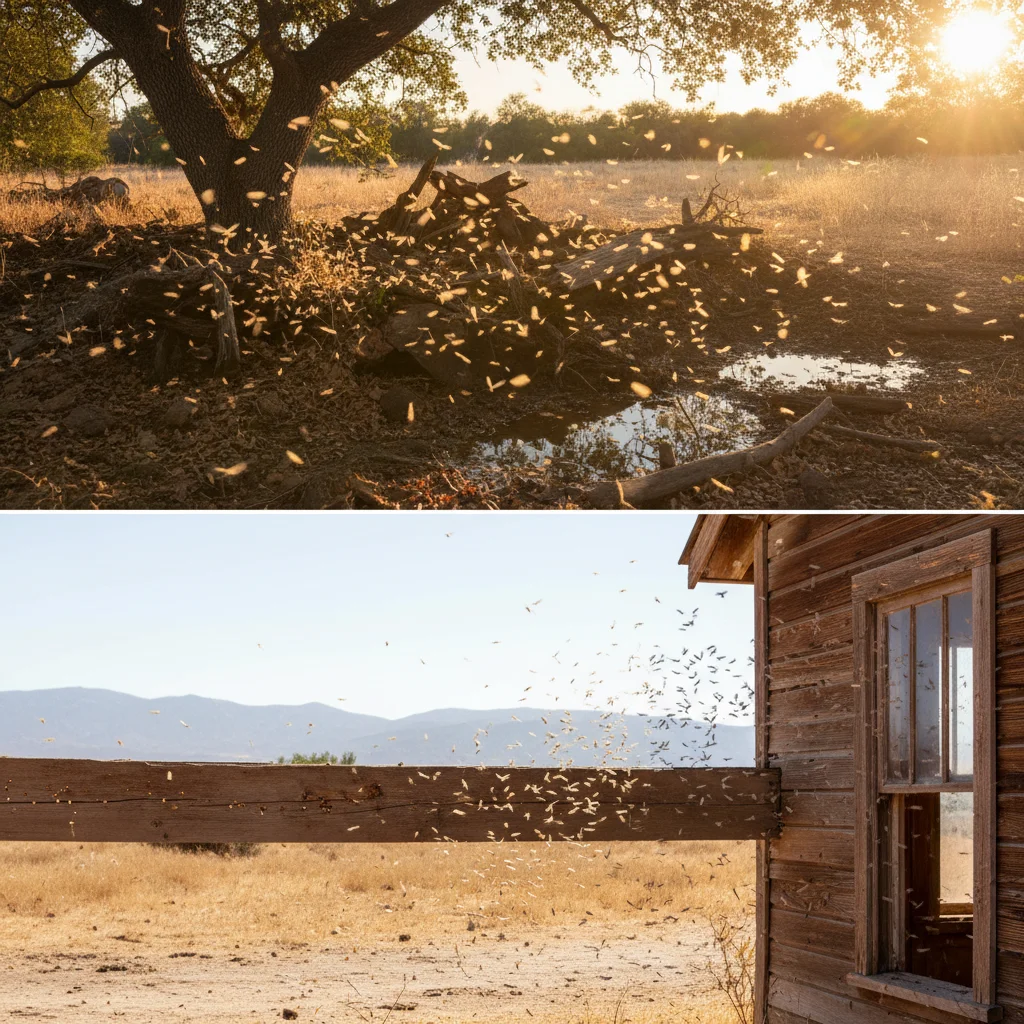
Termite species swarm during distinct seasonal windows. Understanding swarm timing helps identify species and schedule optimal treatment periods.
Subterranean termites swarm February-May while drywood termites swarm August-November in California. Temperature and humidity triggers differ between species based on their habitat requirements.
CA Structural Pest Control Board data shows swarm timing correlates with reproductive cycles and colony maturity. Operators use swarm periods for species identification and treatment planning.
| Feature | Subterranean Swarm | Drywood Swarm |
|---|---|---|
| Peak Season | February-May | August-November |
| Temperature Trigger | 60-70°F soil temperature | 80-90°F air temperature |
| Humidity Requirement | High soil moisture | Low humidity preferred |
| Colony Age | 3-5 years minimum | 5-10 years minimum |
| Swarm Duration | 2-4 weeks | 6-8 weeks |
Spring swarms indicate established subterranean colonies that survived winter soil conditions. These swarms suggest immediate treatment need because colonies have reached reproductive maturity.
Fall swarms signal mature drywood colonies ready for dispersal. However, drywood swarms can indicate multi-year infestations that went undetected during earlier stages.
Best pest control companies Tracy CA track swarm reports for treatment scheduling. Spring subterranean swarms trigger soil treatment recommendations. Fall drywood swarms prompt fumigation preparations.
Weather patterns affect swarm timing by 2-3 weeks in either direction. Warm wet springs advance subterranean swarms. Cool dry summers delay drywood swarms.
Property owners should schedule pest control Tracy Hills CA inspections immediately after observing swarms. Fresh wing piles and swarm activity provide clear species identification for treatment planning.
Frequently Asked Questions
Can the same exterminator treat both subterranean and drywood termites?
Licensed pest control operators can treat both species but use completely different methods. Subterranean termites require liquid soil treatment or bait systems, while drywood termites need fumigation or localized wood treatment.
Do I need separate inspections to identify each termite type?
A single WDO inspection report identifies both species if present. Licensed inspectors look for species-specific evidence like mud tubes for subterranean termites and frass pellets for drywood termites during the same visit.
Which termite species causes more structural damage in California?
Subterranean termites cause more widespread damage due to larger colony sizes and continuous soil contact. Drywood termites damage specific wood sections but colonies remain smaller and localized to individual wooden elements. However, signs of termites in house can indicate serious problems regardless of species. Professional termite warranty coverage California protects against both types through different treatment protocols.