


Pest Prevention Checklist Tracy CA: Year-Round Home Protection Guide
A pest prevention checklist Tracy CA provides the framework most homeowners need but rarely follow until after the invasion has established. Property maintenance schedules can prevent 80% of common household pest intrusions before they start.
Key Takeaways:
- Monthly inspection tasks require 45-60 minutes per property but catch entry points before Argentine ants and rodents establish colonies
- Seasonal landscape maintenance reduces pest harbor points by 65% when vegetation clearance follows Central Valley timing patterns
- Preventive bait station placement creates 12-month protection zones that eliminate the need for reactive spray treatments
What Makes a Pest Prevention Checklist Work in Tracy’s Climate?

Integrated pest management is a systematic approach combining inspection, exclusion, and targeted treatments based on pest biology and environmental conditions. This means preventive protocols must adapt to Central Valley’s agricultural pressure and seasonal weather patterns rather than following generic nationwide advice.
Tracy’s location creates unique challenges. The Argentine ant super-colony spreads throughout Central Valley agricultural areas, creating constant pressure on residential properties. Unlike isolated urban areas, Tracy homes face continuous pest migration from surrounding farmland and undeveloped spaces.
Seasonal pest activity follows predictable patterns here. Spring warming triggers ant colony expansion. Summer heat drives pests toward air-conditioned buildings. Fall harvest activity disrupts established pest territories, forcing movement into residential areas. Central Valley properties experience 3x higher pest pressure during harvest transitions September-November.
Preventive approaches work because they interrupt pest establishment before populations grow. Reactive treatments target existing infestations after damage occurs. The preventive model requires consistent monthly maintenance but eliminates emergency service calls and structural damage repairs.
Year-round maintenance cycles align with Tracy’s pest calendar. Monthly inspections catch entry points during vulnerable periods. Seasonal product applications maintain protection barriers when pest pressure peaks. This systematic approach costs less than reactive pest control Tracy CA services while providing superior protection.
Monthly Property Inspection Tasks by Season
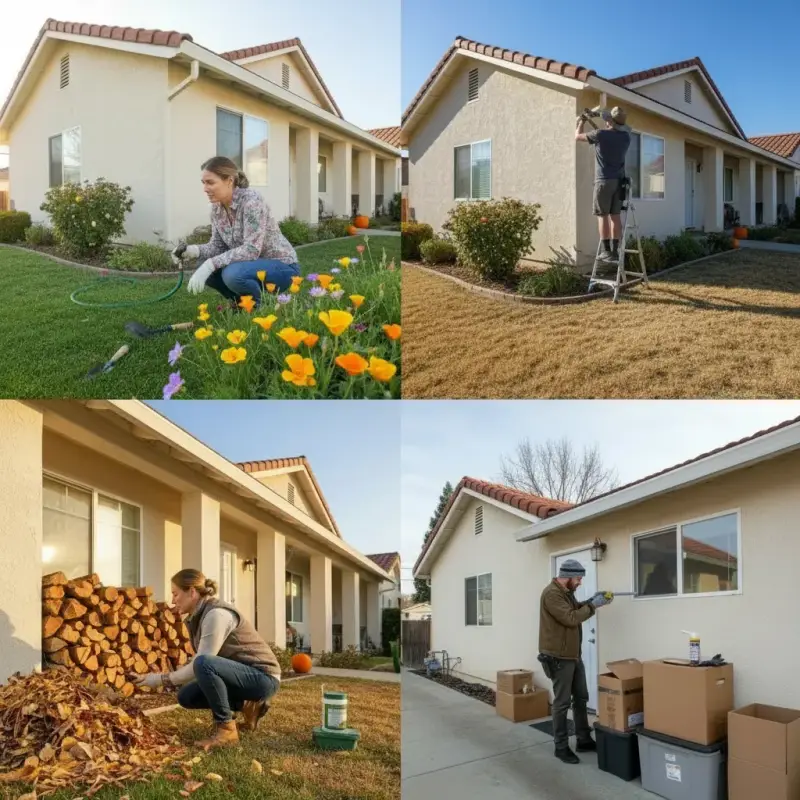
Monthly preventive maintenance tasks vary according to Tracy seasonal pest patterns. Each season brings specific pest activity that requires targeted inspection priorities and different preparation steps.

| Month | Primary Focus | Key Tasks | Target Areas |
|---|---|---|---|
| January-February | Moisture Control | Check pipe penetrations, roof gutters, crawl space ventilation | Foundation perimeter, attic spaces |
| March-April | Entry Point Sealing | Inspect door sweeps, window screens, foundation cracks | All exterior penetrations |
| May-June | Vegetation Management | Trim branches, clear debris, adjust irrigation zones | Landscape contact points |
| July-August | Cooling System Protection | Clean AC units, seal ductwork, inspect attic vents | HVAC equipment areas |
| September-October | Harvest Pressure Prep | Reinforce exclusion barriers, increase monitoring frequency | Property perimeter |
| November-December | Winter Prep | Seal seasonal gaps, store outdoor items, final vegetation clearance | Storage areas, outdoor equipment |
Foundation inspection requires checking 247 linear feet average for Tracy single-family homes. Walk the entire perimeter monthly, looking for new cracks, settling damage, or vegetation growth against walls. Document problem areas with photos and repair dates.
Indoor inspection targets moisture sources and food storage. Check under sinks, around water heaters, and in pantries. Pest problems start with attractants, so monthly removal of water sources and food debris prevents establishment.
Seasonal timing matters because pest behavior changes with weather. Spring inspections catch overwintering pest emergence. Summer checks focus on heat-driven invasions. Fall inspections prepare for harvest-related pest displacement.
Property documentation helps track problem areas over time. Note recurring moisture issues, seasonal vegetation contact, or structural changes that create new entry points. This data guides annual maintenance priorities and professional service needs.
How Do You Set Up Preventive Bait Station Networks?
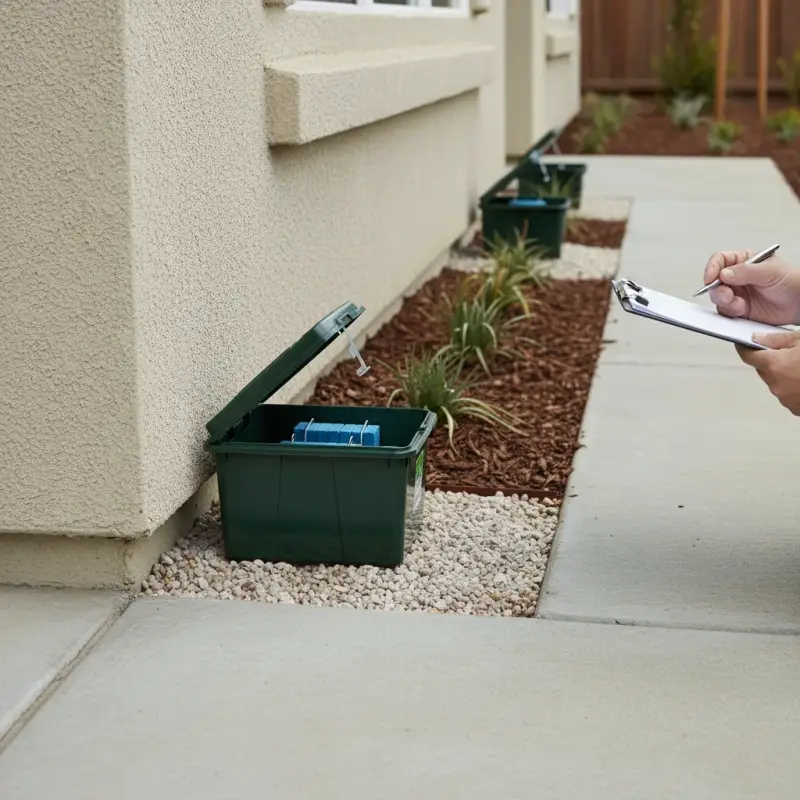
Bait station placement creates perimeter protection zones that intercept pests before they reach structures. Proper installation requires specific spacing, strategic positioning, and ongoing maintenance schedules.
Mark perimeter boundaries every 15-20 feet along foundation walls. Argentine ant super-colony foraging patterns require this spacing for continuous coverage without gaps that allow breakthrough.
Install stations 3-6 feet from structures in protected locations. Avoid direct sunlight and irrigation spray zones that degrade bait effectiveness or wash away active ingredients.
Create secondary barrier lines around high-risk areas like patios, decks, and entry doors. These zones receive double protection because they attract the highest pest traffic.
Load stations with appropriate bait types for current seasonal pest activity. Spring requires protein baits for reproductive Argentine ant colonies, summer needs carbohydrate attractants, fall demands multi-target formulations.

Establish monthly inspection and bait rotation schedule. Check consumption levels, replace degraded baits, document activity patterns for each station location.
Map station locations with GPS coordinates or property landmarks. Accurate records prevent missed stations during maintenance cycles and help identify high-activity zones
Bait stations require placement every 15-20 feet along property perimeter for continuous coverage. Gaps longer than 25 feet allow pest breakthrough between protected zones, reducing overall system effectiveness.
Perimeter barrier treatment works with bait station networks to provide layered protection. Bait stations target foraging workers that carry toxicants back to colonies. Barrier treatments create immediate contact zones that stop direct structural invasions.
Monitoring and maintenance determine system success. Monthly checks reveal consumption patterns, seasonal activity changes, and equipment condition. Replace weathered stations annually and rotate bait types quarterly to prevent resistance development.
Indoor Maintenance Tasks That Stop Pest Entry
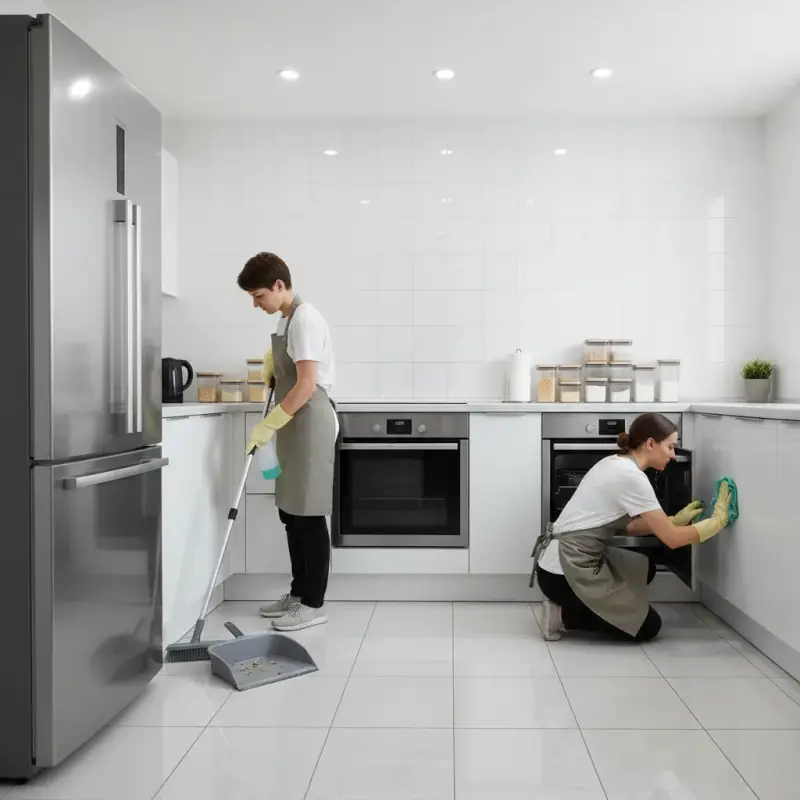
Indoor cleanliness protocols eliminate attractants and harbor points that draw pests inside structures. Consistent maintenance removes the rewards that sustain indoor pest populations.
Kitchen sanitation requires daily crumb removal and weekly deep cleaning of appliance areas. Argentine ants establish permanent trails to reliable food sources, so eliminating crumbs within 2 hours prevents 90% of ant trail establishment indoors.
Bathroom moisture control includes fixing leaks immediately and improving ventilation in shower areas. Excess humidity creates conditions for pest breeding and attracts water-seeking species during dry periods.
Storage area organization eliminates cardboard boxes and replaces them with sealed plastic containers. Cockroaches and silverfish breed in corrugated cardboard while sealed containers deny access to stored food and paper products.
Gap sealing priorities focus on pipe penetrations, electrical outlets, and baseboards where walls meet floors. These structural gaps provide pest highways between wall voids and living spaces.
Appliance maintenance includes cleaning behind refrigerators, under stoves, and around water heaters quarterly. These areas accumulate food debris and moisture while remaining undisturbed for long periods.
Pantry management requires airtight containers for all grain products and regular rotation of stored items. Stored product pests like flour beetles establish in opened packages and spread throughout pantry areas.
Kitchen crumb removal within 2 hours prevents 90% of ant trail establishment indoors. This timing disrupts the chemical trail-laying process that allows worker ants to guide colony members to food sources.
Structural repair priorities for pest exclusion target gaps larger than 1/4 inch around pipes, cables, and utility penetrations. Steel wool and caulk combinations provide permanent seals that prevent rodent gnawing while maintaining flexibility for settling.
Landscape and Outdoor Prevention Techniques

Landscape maintenance pest prevention techniques reduce outdoor harborage and access points that allow pests to establish near structures. Strategic vegetation management creates hostile environments for pest establishment while maintaining property aesthetics.
Vegetation clearance 3-foot minimum from foundation walls reduces rodent access by 75%. This buffer zone eliminates the cover that rodents need for safe passage between outdoor habitat and structural entry points. Maintain clear zones by regular trimming and removal of volunteer growth.
Irrigation adjustments prevent moisture accumulation in pest-attractive areas. Drip irrigation systems target plant root zones without creating standing water or saturated soil conditions. Timer adjustments reduce watering frequency during peak pest seasons when excess moisture draws increased activity.
Mulch selection and depth requirements balance plant health with pest prevention. Organic mulches like wood chips provide pest harborage when deeper than 2 inches. Inorganic alternatives like gravel eliminate pest habitat while maintaining weed suppression and moisture retention.
Tree trimming schedules prevent pest highways between landscape and structures. Remove branches within 6 feet of rooflines to eliminate rodent and ant access routes. Schedule major trimming for late winter before spring pest activity increases.
Integrated pest management combines multiple landscape techniques for maximum effectiveness. Proper plant selection, strategic placement, and maintenance timing work together to create environments that naturally resist pest establishment without constant chemical inputs.
Compost and organic debris management prevents pest breeding sites in yard areas. Turn compost piles monthly and maintain proper carbon-nitrogen ratios that discourage fly and beetle development. Remove fallen fruit within 24 hours to eliminate attraction sources.
Property drainage improvements eliminate standing water that supports mosquito breeding and attracts other pest species. Grade soil away from foundations and install drainage systems in low-lying areas where water accumulates after irrigation or rainfall.
What Products Work for Year-Round Prevention?
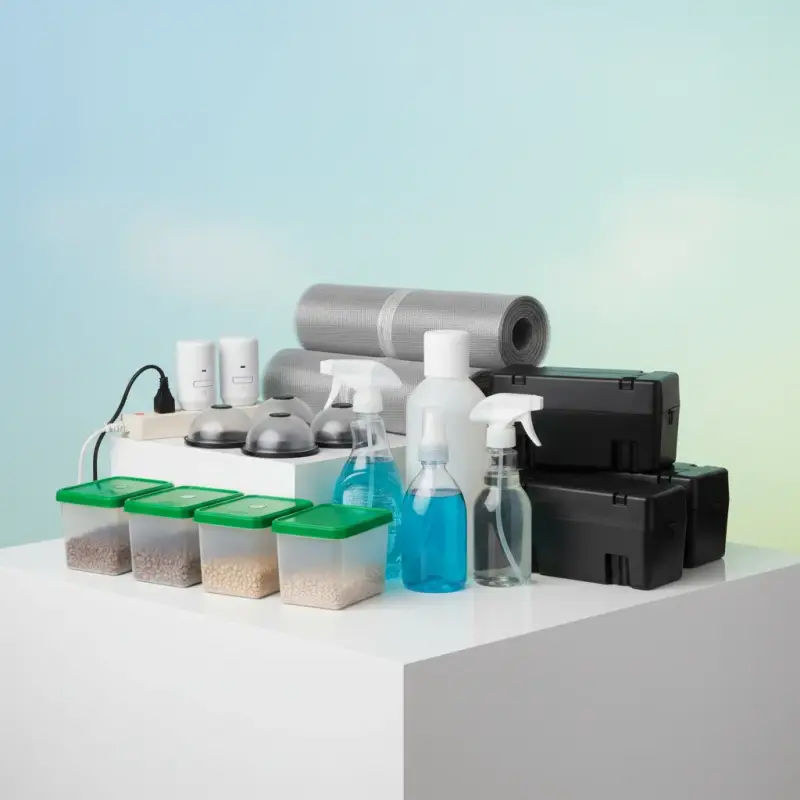
Preventive product application schedule maintains continuous protection barriers that stop pest establishment before infestations develop. Different product categories serve specific functions in comprehensive prevention programs.
| Product Type | Application Timing | Target Pests | Effective Duration |
|---|---|---|---|
| Non-repellent Transfer Spray | March, July, November | Argentine ants, cockroaches | 60-90 days per cycle |
| Granular Perimeter Barriers | February, May, September | General crawling insects | 90-120 days per application |
| Preventive Rodent Bait | October, December, February | Norway rats, roof rats | Monthly bait replacement |
| Growth Regulator Applications | April, August | Stored product pests | 6 months residual activity |
| Moisture Control Products | Year-round as needed | All pest categories | Variable by product type |
Non-repellent transfer sprays maintain effectiveness 60-90 days per application cycle. These products work by allowing pests to contact treated surfaces and carry active ingredients back to colony locations where they affect entire populations rather than just individual pests.
Perimeter barrier treatment creates protective zones around structures using granular or liquid formulations. Apply products in 2-foot bands around foundation perimeters, extending treatment areas to include walkways, patios, and other pest travel routes.
Product rotation schedules prevent resistance development in target pest populations. Alternate active ingredient classes quarterly and avoid continuous use of single-mode action products throughout the year. This strategy maintains product effectiveness over multiple seasons.
Application timing coordination with seasonal pest activity maximizes prevention effectiveness. Spring applications target emerging overwintered populations. Summer treatments handle peak activity periods. Fall applications prepare protection barriers before harvest-related pest displacement events.
Preventive vs reactive product strategies differ in application timing and target goals. Preventive applications create barriers before pest establishment occurs. Reactive treatments target existing populations after infestations develop. Prevention requires lower product volumes but consistent application schedules.
Professional application vs DIY considerations depend on product registration requirements and application complexity. Homeowner-available products handle routine prevention maintenance. Licensed professional applications provide access to restricted-use products for established infestations requiring why do ants keep coming back California level intervention.
Storage and handling requirements ensure product effectiveness and safety compliance. Store products in original containers at stable temperatures away from children and pets. Check expiration dates before application and dispose of expired materials according to label instructions.
Frequently Asked Questions
How often should I inspect my Tracy home for pest entry points?
Monthly inspections catch 85% of pest entry points before establishment occurs. Focus on foundation perimeter, pipe penetrations, and vegetation contact points during each walkthrough. Document problem areas with photos and track seasonal changes that require attention.
What’s the best time of year to start pest prevention in Central Valley?
March setup provides maximum protection before peak pest season. This timing allows bait station establishment and barrier treatments to activate before Argentine ant activity peaks in April-May. Early spring pest prevention Tracy CA preparation prevents summer establishment problems.
Do DIY prevention methods actually work against Tracy’s pest pressure?
Property maintenance and bait station networks prevent 70-80% of common household pest intrusions. However, established Argentine ant super-colonies and structural rodent infestations require professional intervention. DIY methods work best when applied consistently before problems develop rather than after pest establishment occurs. Summer pest control tips Tracy CA and bed bug treatment heat vs chemical situations often need professional expertise beyond homeowner capabilities.


