
Signs of Rats in Walls or Your Attic: How to Know You Have a Problem
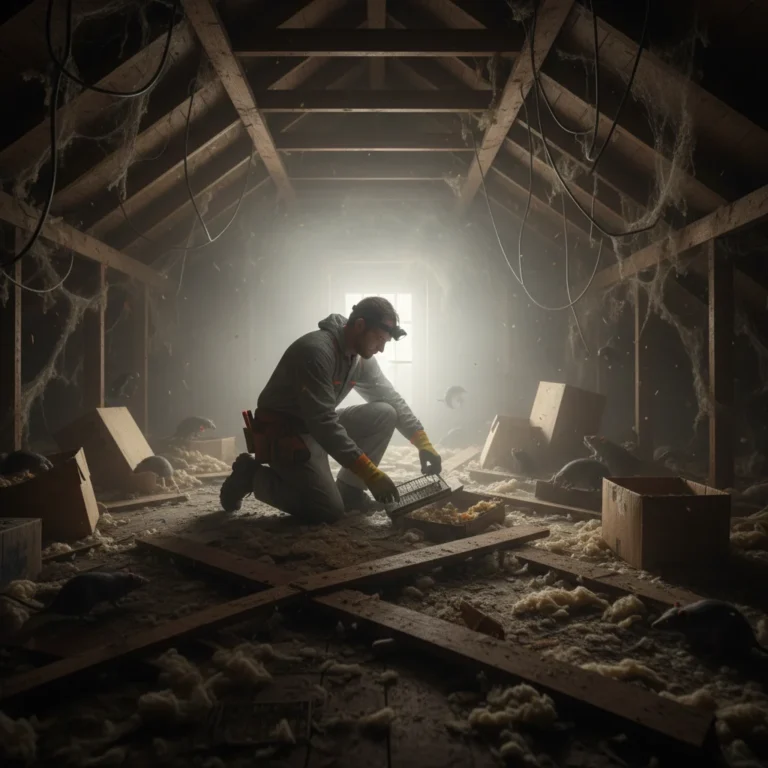
Signs of rats in walls become obvious once you know what to look for, but most Tracy homeowners miss the early warning signals. Scratching sounds at 2 AM usually mean rats have already established travel routes through your walls. The Central Valley pest pressure makes rat infestations common, especially during cooler months when rodents seek shelter indoors.
Key Takeaways:
- Roof rats produce 25-50 droppings per day, each measuring 12-18mm long with pointed ends
- Norway rat gnaw marks appear as paired grooves 2-4mm wide on wood surfaces and electrical wires
- Rats follow the same wall routes nightly, creating dark oily rub marks along baseboards within 2-3 weeks
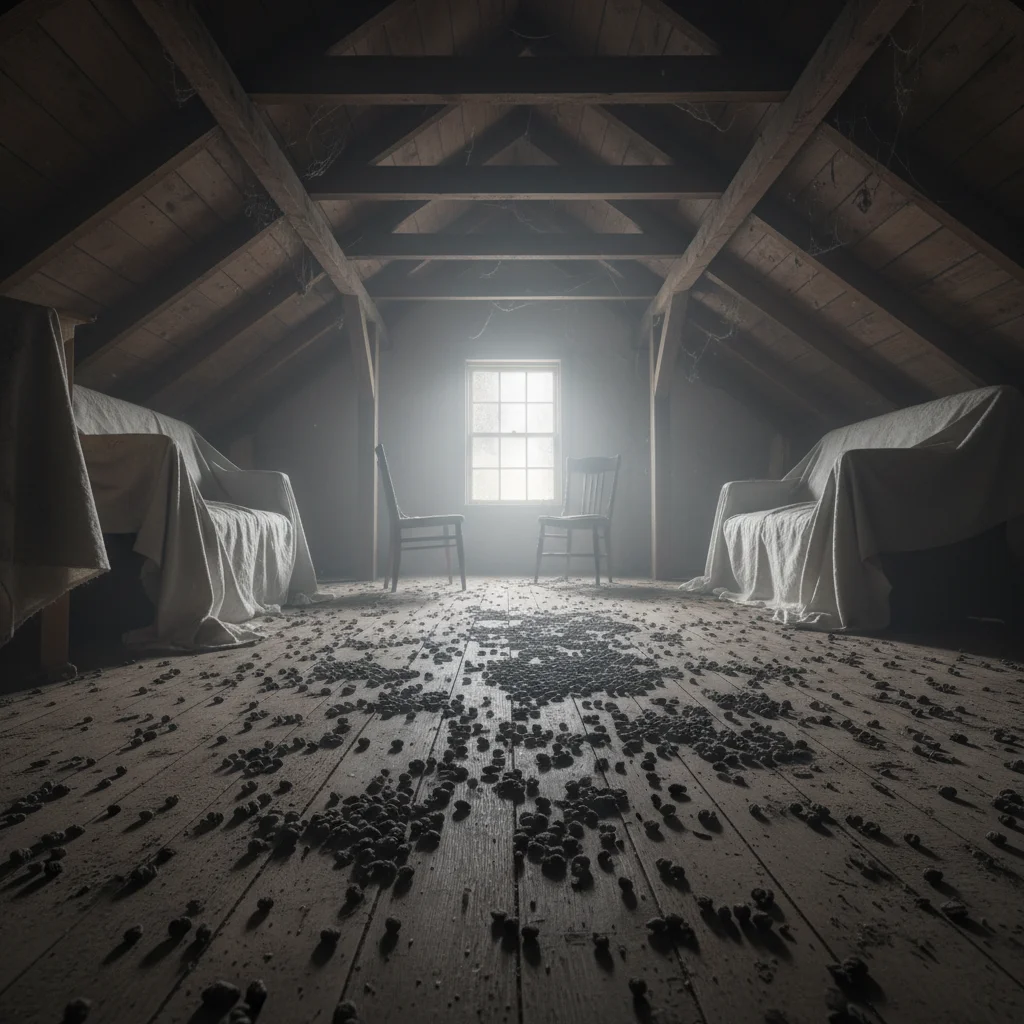
What Do Rat Droppings Look Like in Your Attic?
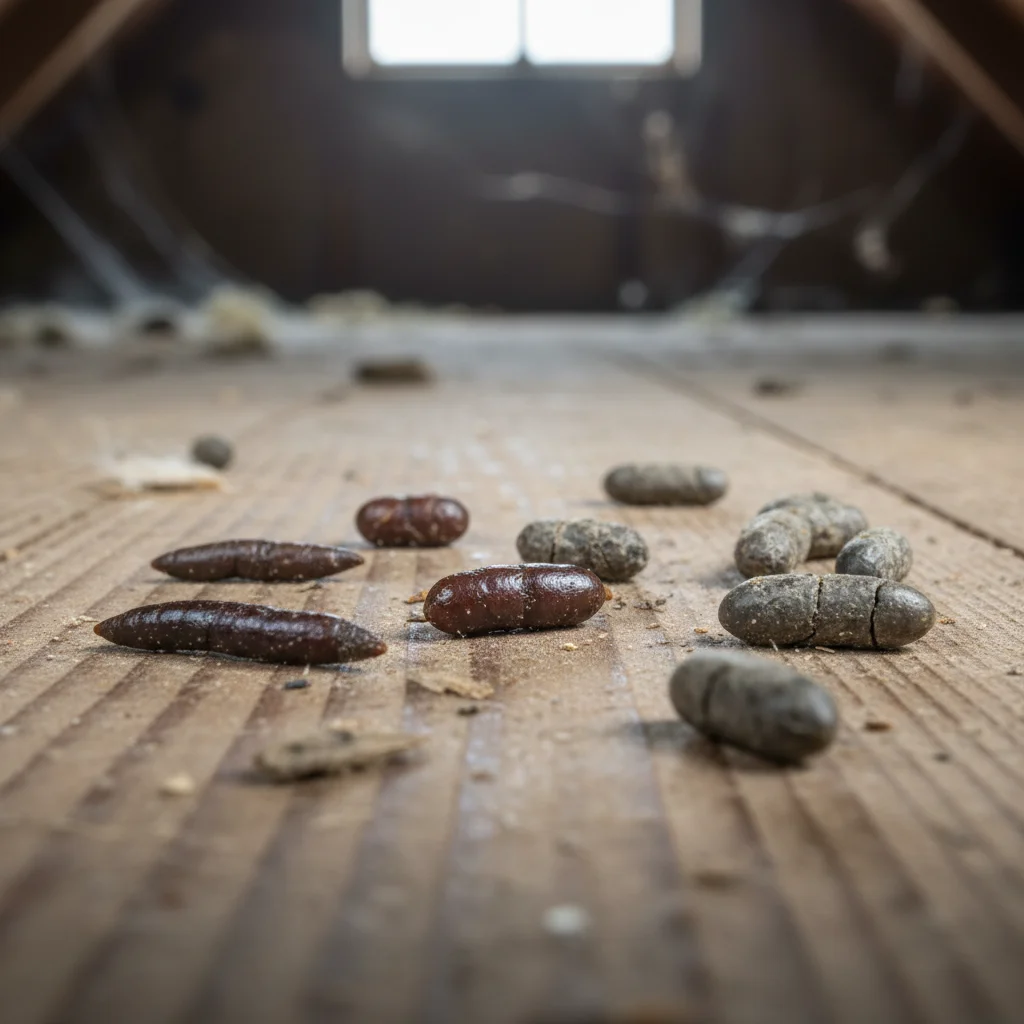
Rat droppings measure 12-18mm long with distinct shape patterns that separate roof rats from Norway rats. Fresh droppings appear dark brown or black with a shiny surface, while older ones fade to gray and crumble when touched.
| Feature | Roof Rat | Norway Rat |
|---|---|---|
| Size | 12-18mm long | 15-20mm long |
| Shape | Pointed ends, curved | Blunt ends, straight |
| Color | Dark brown to black | Brown to gray |
| Texture | Smooth, hard | Rough surface |
| Daily Count | 25-50 droppings | 20-40 droppings |
Concentration patterns tell you where rats nest and feed. Heavy accumulations near wall corners or insulation indicate nesting sites, while scattered droppings along pathways show travel routes. Roof rats typically deposit droppings in elevated areas like attics and wall voids, while Norway rats leave evidence in basements and ground-level spaces.
Roof rats produce 25-50 droppings daily while Norway rats produce 20-40. Count the droppings you find each morning for three days to estimate colony size. A single rat creates approximately 150-350 droppings per week, so finding 50+ fresh droppings suggests multiple rats.
What Sounds Do Rats Make in Walls at Night?
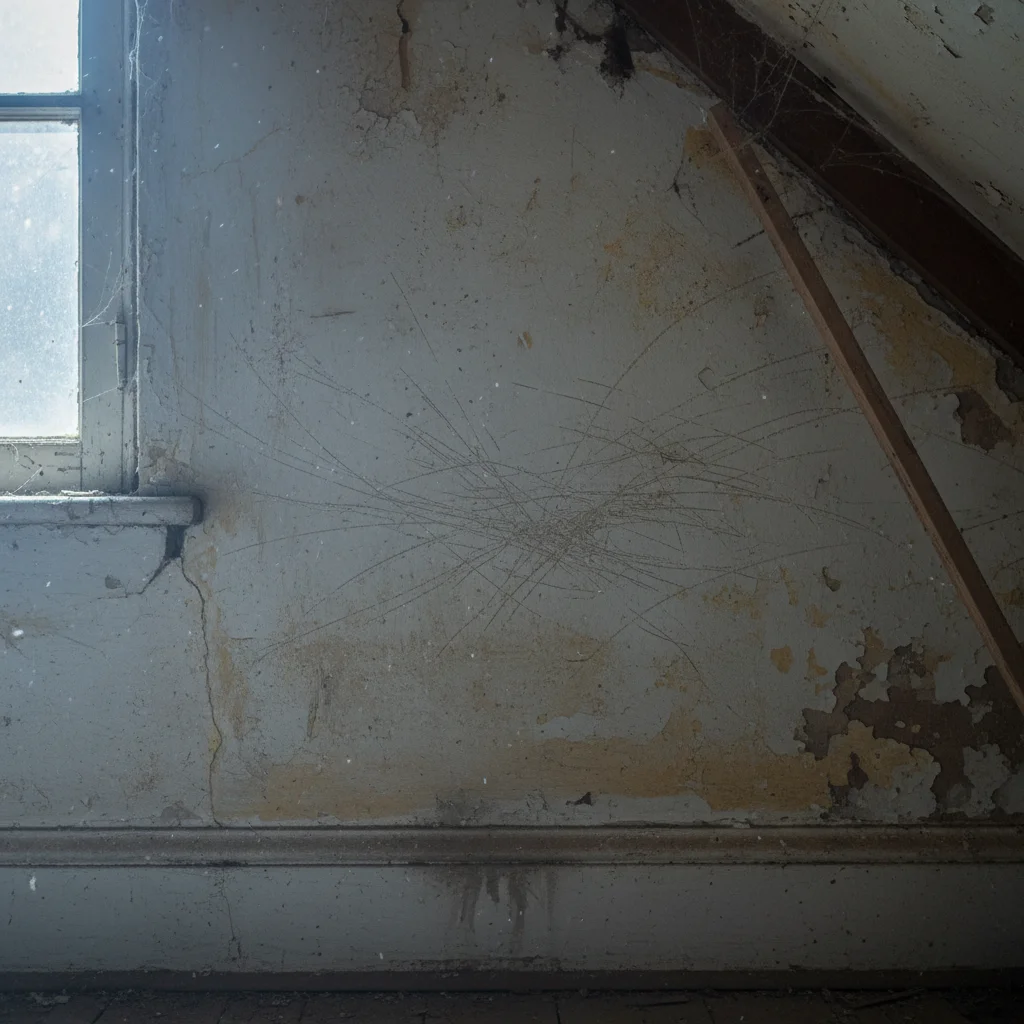
Scratching sounds indicate nocturnal rat movement through wall voids and attic spaces. Peak rat activity occurs between 11 PM and 4 AM when ambient noise drops below 35 decibels.
- Scratching sounds – Consistent scraping noises as rats climb through wall studs and insulation
- Scurrying patterns – Quick bursts of movement followed by pauses, typically lasting 10-30 seconds
- Gnawing sounds – Rhythmic chewing on wood, plastic, or electrical wires
- Squeaking communication – High-pitched calls between colony members, more common during mating season
Roof rats create lighter scratching sounds in upper wall areas and attics. Their agile climbing produces intermittent scratching as they navigate vertical surfaces. Norway rats generate heavier thuds and scraping in lower wall voids and basement areas.
Seasonal pest activity affects sound patterns. Fall and winter months bring increased wall activity as rats establish indoor nesting sites. Colony growth amplifies sounds – a single rat produces minimal noise, but colonies of 5+ rats create obvious scratching patterns that wake homeowners.

How to Identify Rat Gnaw Marks on Wires and Wood
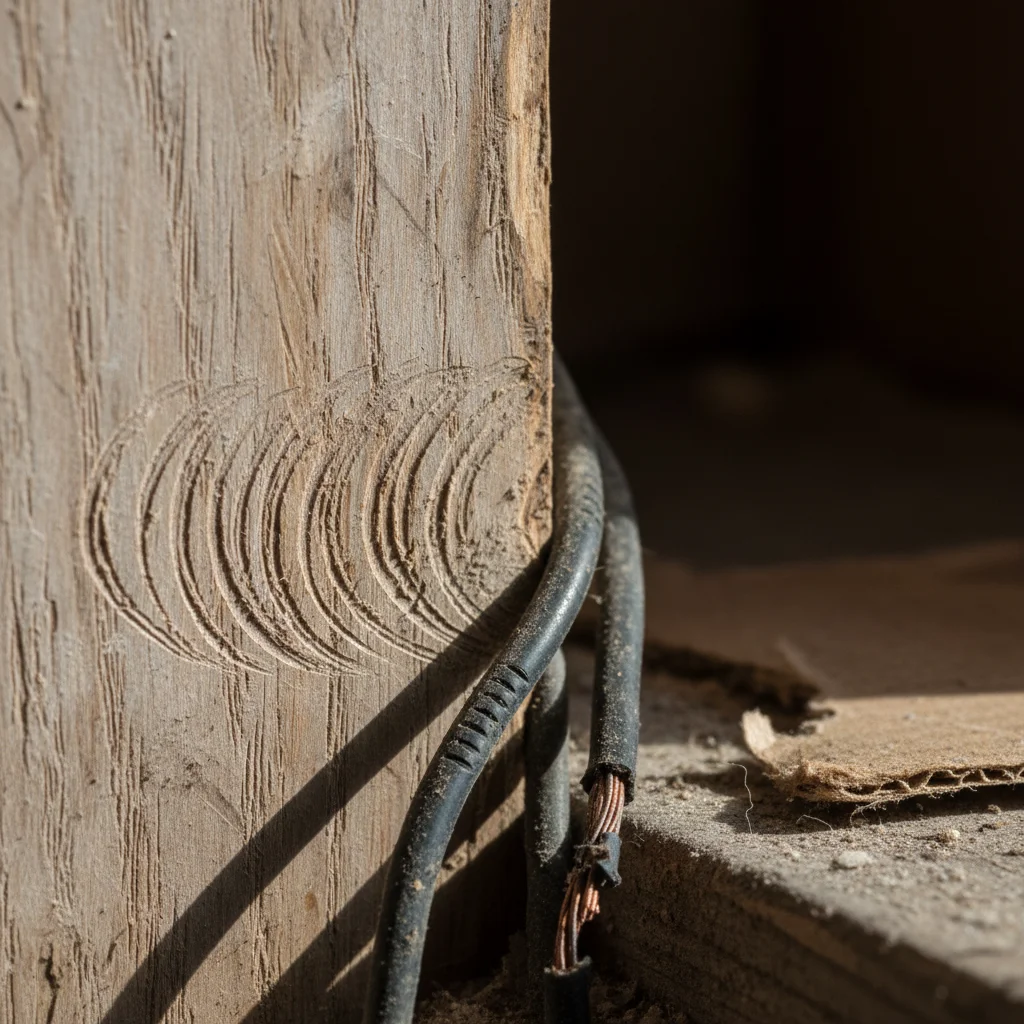
Rat gnaw marks appear as paired grooves 2-4mm wide on surfaces rats chew regularly. This means you can distinguish rat damage from squirrel gnawing (6-8mm grooves) or mouse damage (1-2mm grooves) by measuring the groove width.
Fresh gnaw marks show light-colored wood underneath dark bark or paint surfaces. Rats prefer soft woods like pine and cedar for initial gnawing, then progress to harder materials as their teeth grow. Electrical wires show copper strands exposed in parallel cuts where rat incisors slice through insulation.
Preferred gnawing locations include door frames, window sills, electrical conduits, and wooden support beams. Roof rats typically gnaw higher surfaces like roof eaves and attic beams, while Norway rats target ground-level wood structures and basement joists.
Rat incisors create parallel grooves measuring 2-4mm wide compared to mouse marks at 1-2mm. The grooves appear clean and sharp on fresh damage, becoming weathered and darkened over time. Check gnaw marks weekly – active infestations produce new damage every 3-5 days as rats maintain their constantly growing teeth.
Where Do You Find Oily Rub Marks From Rat Movement?
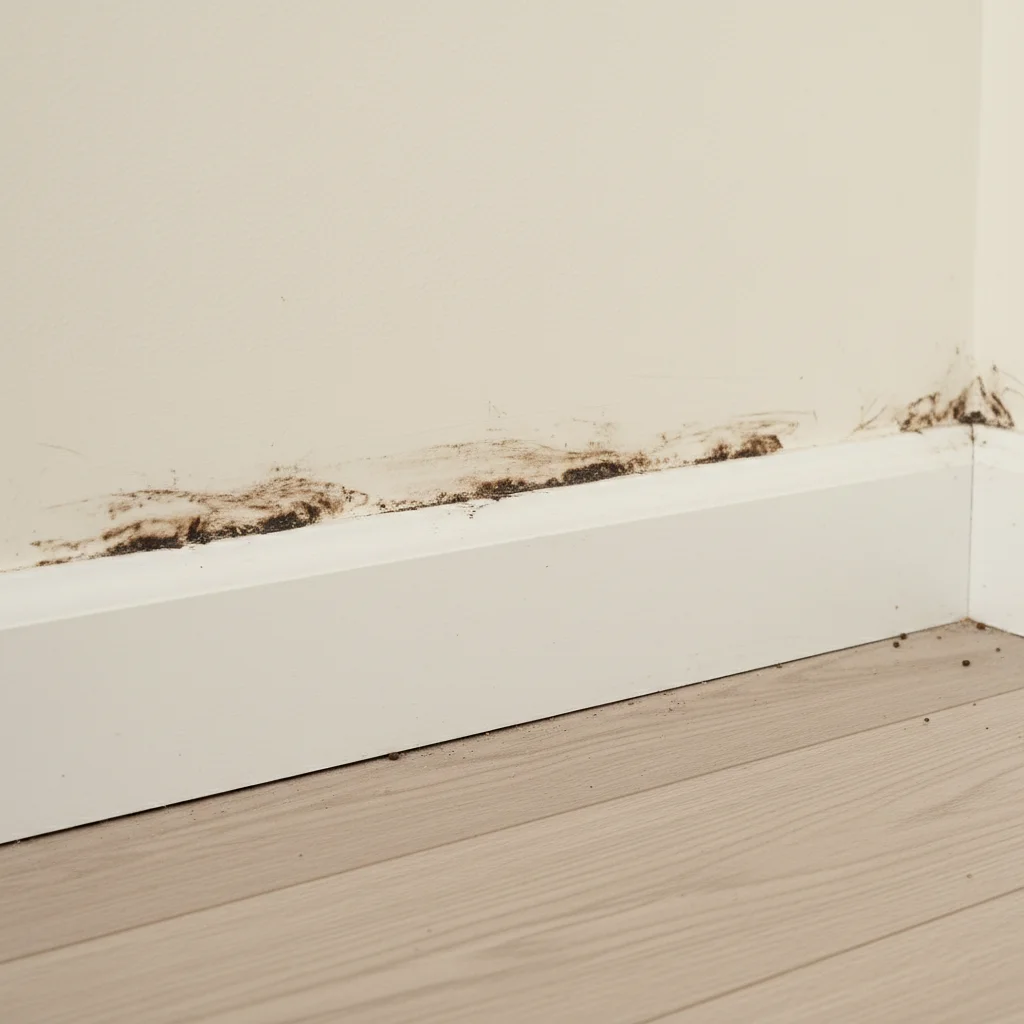
Oily rub marks form along established rat travel routes where body oils and dirt accumulate on surfaces. Visible rub marks develop within 2-3 weeks along routes used by 3 or more rats daily.
- Check baseboards – Start at wall corners where rats turn, looking for dark smudges 2-4 inches above floor level
- Inspect ceiling joists – Roof rats leave marks on overhead beams and pipes they use as highways
- Examine entry points – Look for concentrated marking around holes, gaps, and pipe penetrations
- Use UV light detection – Rat urine glows under blacklight, revealing travel patterns invisible to naked eye
Rub marks appear as dark, greasy stains that follow consistent pathways between food sources and nesting areas. Fresh marks feel slightly tacky when touched, while older marks become hard and flaky. Norway rats create marks at ground level along walls and furniture bases. Roof rats mark higher surfaces like pipes, cables, and ceiling beams.
The intensity of marking indicates colony size and activity level. Light gray smudges suggest occasional use by 1-2 rats. Dark black marks with hair fibers embedded show heavy traffic from established colonies. Mark patterns reveal entry points – the darkest concentrations typically appear near holes where rats enter and exit.
How Do Pets React When You Have Rats?
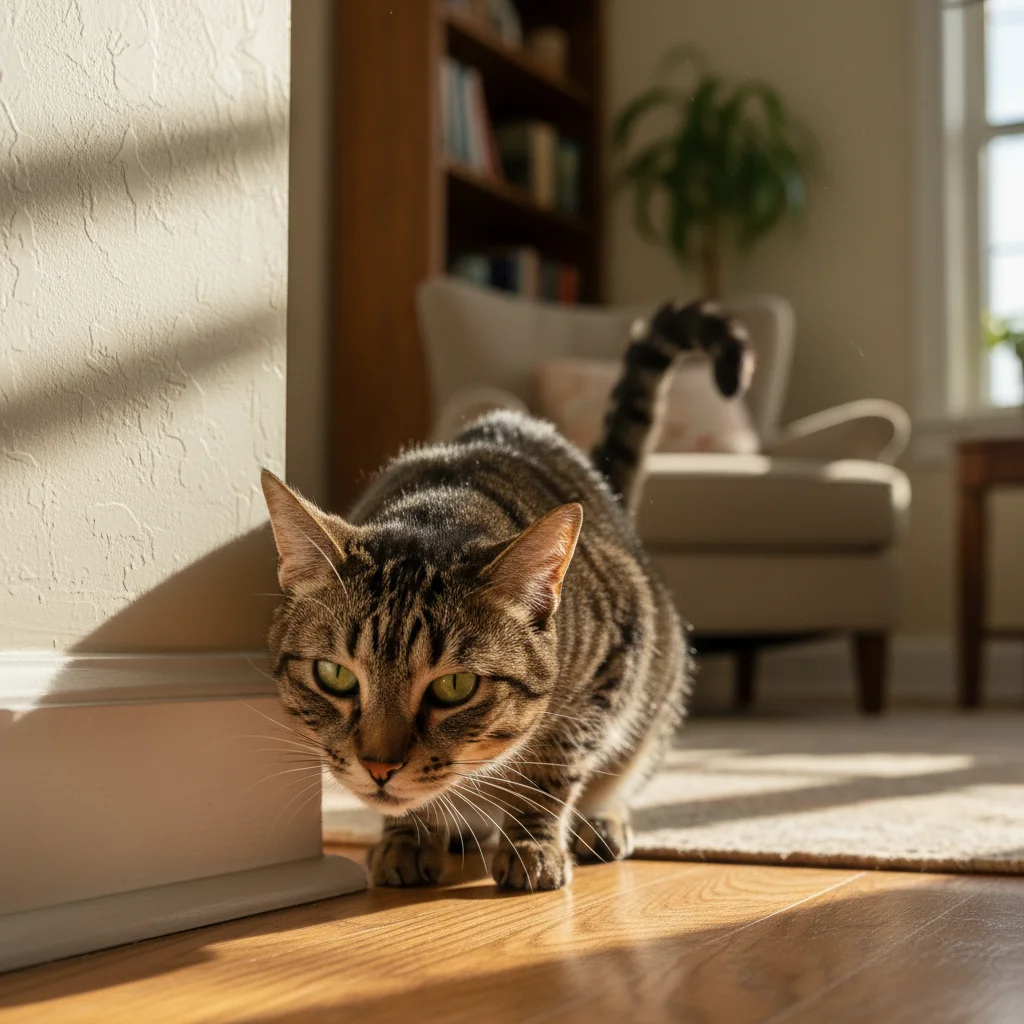
Pet behavior changes signal early rodent infestations before humans notice visual signs. Cats detect rodent pheromones at concentrations 14 times lower than human detection thresholds, making them reliable early warning systems.
Dogs exhibit increased alertness around wall areas where rats travel, often pawing at baseboards or staring at ceiling corners. They may bark at walls during nighttime hours when rat activity peaks. Some dogs refuse to sleep in rooms where rat activity occurs behind walls.
Cats show more obvious hunting behaviors, including prolonged staring at walls, pawing at air vents, and bringing killed mice or small rats as “gifts.” Indoor cats may suddenly show interest in areas they previously ignored, spending hours watching wall corners or ceiling access points.
Central Valley pest pressure means pets encounter rodent scents regularly outdoors, but indoor behavioral changes specifically indicate wall infestations. Pets typically detect infestations 2-4 weeks before humans notice droppings or sounds. However, not all pets react – older animals or those with reduced hearing may miss early infestations entirely.
When Should You Call for Professional Rodent Exclusion?
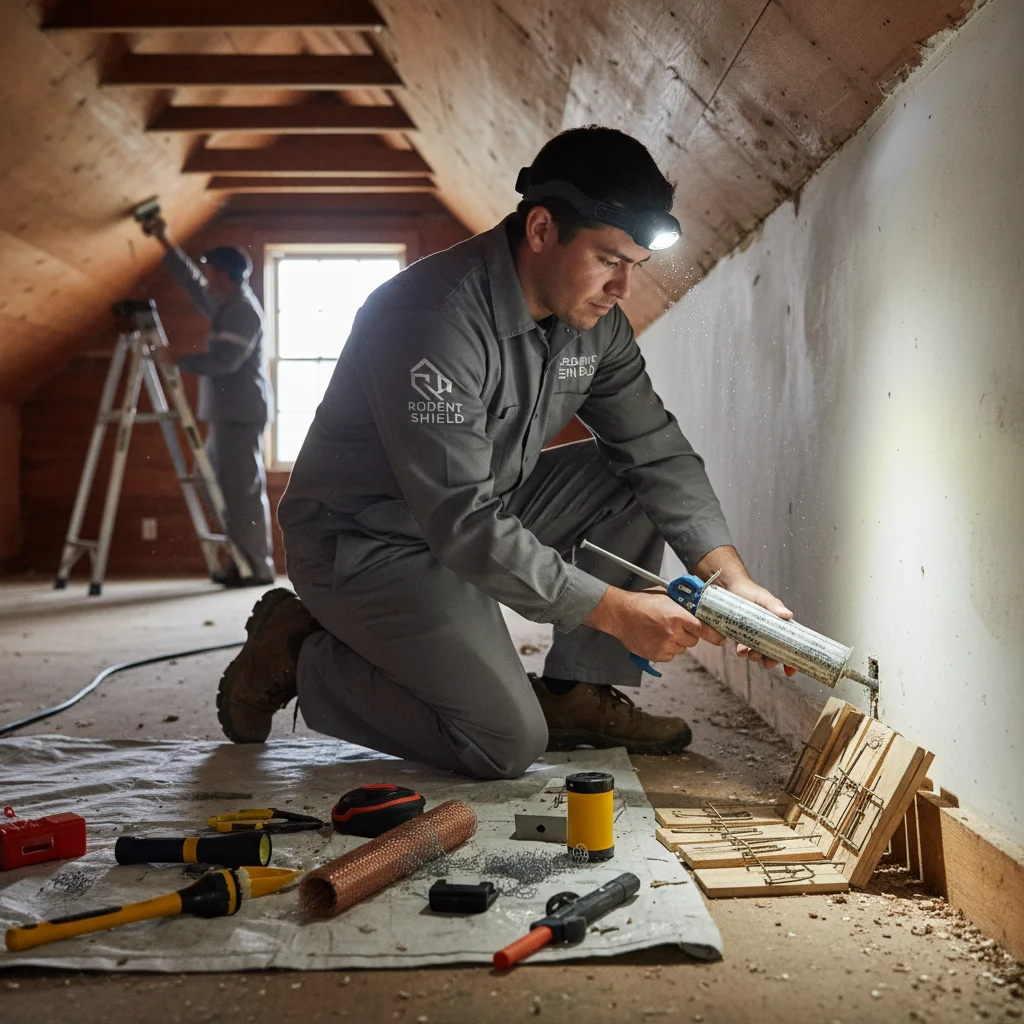
Rodent exclusion becomes mandatory when snap traps fail repeatedly to control established colonies. Professional exclusion becomes cost-effective when snap traps catch fewer than 40% of estimated colony size within 14 days.
| Feature | Rodent Exclusion | Pest Inspection |
|---|---|---|
| Timeline | 3-5 days installation | 2-3 hours assessment |
| Coverage | Whole-structure sealing | Problem area focus |
| Warranty | 1-2 year guarantee | 30-day follow-up |
| Cost Range | $800-2,500 average | $150-300 typical |
| Success Rate | 95%+ long-term | 60-70% identification |
DIY snap trapping works for small infestations of 1-3 rats, but fails against established colonies of 5+ rats. Signs that indicate exclusion needs include continuous trap triggering without catches, new droppings appearing within 24 hours of cleaning, and gnaw marks on multiple snap traps.
Seasonal timing affects exclusion success rates. Fall installation prevents winter nesting, while spring work addresses breeding season colonies before population explosion. Summer exclusion costs 15-20% more due to increased demand but provides immediate relief.
Cost comparison favors exclusion over repeated trapping when infestations persist beyond 30 days. Monthly snap trap costs ($50-100) plus time investment make professional exclusion the cheaper option for persistent problems. Tracy’s Central Valley location creates year-round pest pressure that makes exclusion a permanent solution rather than temporary fix.
Frequently Asked Questions
How do I know if I have rats versus mice in my walls?
Rat droppings measure 12-18mm long with blunt or pointed ends, while mouse droppings are only 3-6mm and rod-shaped. Rats also create louder scratching sounds and gnaw marks that are 2-4mm wide compared to 1-2mm for mice.
What is that scratching sound in my walls at night?
Scratching sounds between 11 PM and 4 AM typically indicate rat movement through wall voids. Rats are nocturnal and follow established routes, creating consistent scratching patterns as they travel to and from food sources.
Do rats always leave visible signs before you hear them?
No, rats often create sounds in walls 1-2 weeks before droppings and rub marks become visible. They establish travel routes first, then marking and nesting evidence appears as colony size grows.