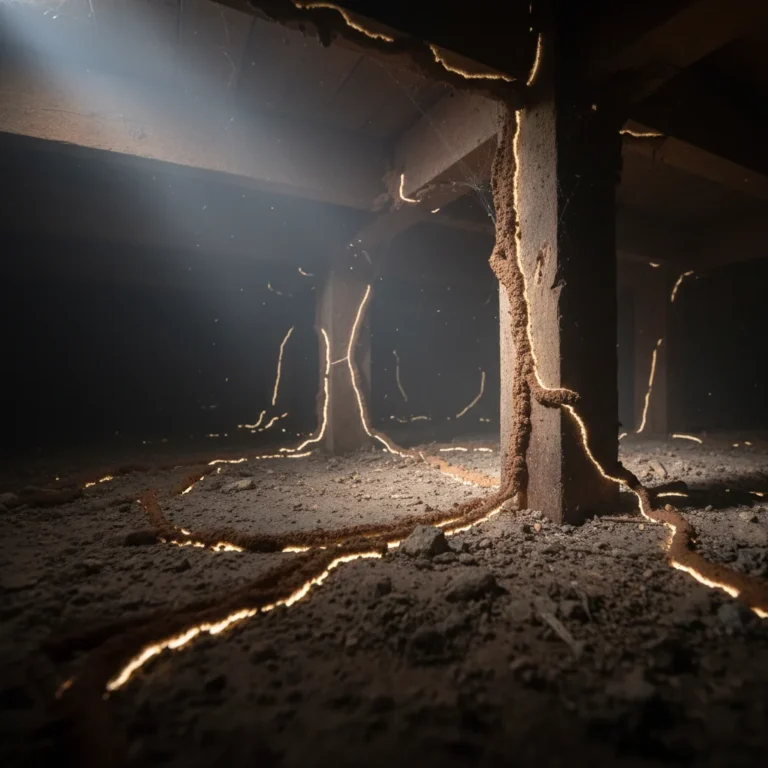


Termite Warranty Coverage California: What’s Actually Protected
Termite warranty coverage California policies protect retreatment costs, not structural repairs. Most homeowners discover this gap only after finding damage. Your warranty becomes worthless if you miss annual inspections or fail to maintain specific moisture conditions.
Key Takeaways:
- Liquid barrier warranties last 5-10 years, while spot treatments typically warrant only 1-2 years in California
- Warranty claims fail 60% of the time due to homeowner maintenance violations or coverage exclusions
- Annual inspections are mandatory to maintain warranty validity under CA Structural Pest Control Board regulations
What Does Termite Warranty Coverage Actually Protect in California?

Termite warranty coverage is a contractual agreement that guarantees retreatment services if termites return to treated areas. This means you get free follow-up treatments, not repair costs for damaged wood. The CA Structural Pest Control Board requires all warranty agreements to specify exactly what services the contractor will provide.
Most warranties protect against subterranean termite reinfestation in soil-treated zones and drywood termite activity in fumigated structures. Standard retreatment coverage ranges from $300-800 per incident, depending on the scope of work required. The contractor must use the same treatment method that was originally applied unless that method fails multiple times.
California regulations require warranty language to clearly distinguish between retreatment coverage and damage repair coverage. Damage repair requires separate insurance or premium warranty packages that cost three to four times more than standard retreatment warranties. Most pest control companies offer only retreatment coverage because damage claims create liability exposure.
The warranty only applies to the specific areas that were treated during the original service. If termites appear in untreated sections of your home, you pay for new treatment. This limitation catches many homeowners off guard when they find activity in areas that weren’t part of the initial termite control Tracy CA service.
How Long Do Different Termite Treatment Warranties Last?

| Treatment Type | Subterranean Termite | Drywood Termite | Renewal Required |
|---|---|---|---|
| Soil Barrier (Liquid) | 5-10 years | Not applicable | Annual inspection |
| Spot Treatment (Wood) | 1-2 years | 1-3 years | New inspection |
| Fumigation (Tenting) | Not applicable | 2-5 years | Moisture monitoring |
| Bait Systems | 3-5 years | Not applicable | Quarterly monitoring |
| Integrated Pest Management | 2-4 years | 1-2 years | Ongoing monitoring |
Soil barrier treatments warrant 5-10 years maximum because the chemical barrier degrades over time. Contractors know their termiticide will lose effectiveness, so they price warranties based on expected product life. The integrated pest management approach combines multiple treatment methods but typically offers shorter warranty periods due to complexity.
Drywood termite warranties run shorter because wood treatments penetrate only surface layers. Fumigation provides the longest drywood termite coverage because gas penetrates the entire structure, but warranties still max out at five years in most cases.

Warranty renewal requires meeting specific conditions. Soil treatments need annual inspections to verify the barrier remains intact. Wood treatments need moisture monitoring to prevent conditions that accelerate treatment breakdown. Miss these requirements and your warranty becomes void immediately.
Contractors price longer warranties higher because they assume more risk over time. A ten-year soil barrier warranty costs 40-60% more than a five-year warranty for the same initial treatment. Most homeowners choose shorter warranties to reduce upfront costs.
What Conditions Void Your Termite Warranty Coverage?
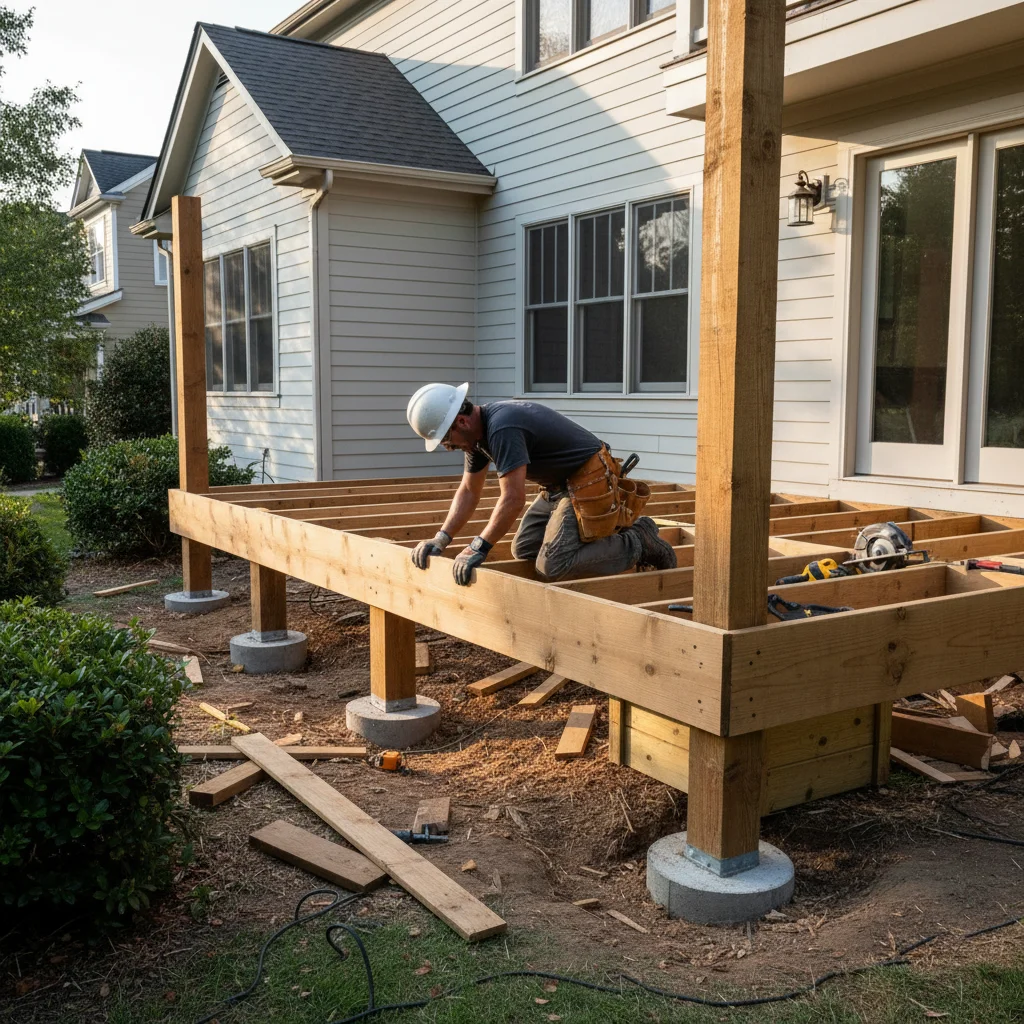
Structural modifications without contractor approval. Adding decks, patios, or landscaping changes soil drainage patterns that affect chemical barriers. The CA Structural Pest Control Board requires written approval for any construction that might compromise treatment effectiveness.
Moisture problems exceeding 20% wood content. Leaky pipes, roof damage, or poor ventilation create conditions that break down chemical treatments faster than expected. Warranty claims are denied in 40% of cases due to moisture conditions exceeding this threshold.
DIY pest treatments or hiring unlicensed operators. Using over-the-counter termiticides or hiring unlicensed workers voids professional warranties immediately. The chemicals interfere with professional treatments and create liability issues for the original contractor.
Failure to maintain required inspection schedule. Annual pest inspection requirements are non-negotiable for warranty validity. Miss your scheduled inspection by more than 30 days and most contractors consider the warranty void, even if no termite activity exists.
Property ownership changes without proper transfer procedures. Selling your home doesn’t automatically transfer warranty coverage to the new owner. Specific documentation and transfer fees are required within 30 days of escrow close.
Installing incompatible pest control systems. Adding bait stations when you have a soil barrier treatment, or vice versa, creates chemical conflicts that void existing warranties. Contractors won’t honor warranties when competing treatment systems interfere with their work.
The most common warranty killer is moisture management failure. Homeowners ignore small leaks or poor drainage, then expect warranty coverage when treatments fail. Professional pest control Tracy CA companies document moisture conditions during initial inspections to protect themselves from invalid claims.
Does Your Warranty Transfer When You Sell Your California Home?

Contact your pest control company within 10 days of accepting an offer. The transfer process requires paperwork and inspections that take time to complete. Starting late creates escrow delays that cost buyers and sellers money.
Schedule a WDO inspection report for the buyer. California real estate transactions require current termite inspections regardless of existing warranties. The inspection confirms no new activity has developed since your last service.
Pay transfer fees ranging from $50-200 depending on warranty terms. Most companies charge administrative fees to update account information and conduct transfer inspections. Some contractors waive fees for warranties purchased within the last two years.
Provide all treatment and inspection documentation to the new owner. The CA Structural Pest Control Board requires complete service records for warranty transfers. Missing paperwork voids the transfer and forces new homeowners to start fresh warranty coverage.
Ensure the new owner accepts maintenance obligations. Warranty transfers require the new homeowner to sign agreements accepting annual inspection requirements and maintenance conditions. Some buyers refuse these obligations, making transfer impossible.
Warranty transfer must occur within 30 days of escrow close to remain valid. After 30 days, most companies consider the warranty expired and require new homeowners to purchase fresh coverage. This creates expensive surprises for buyers who expected warranty protection.
The termite inspection Tracy CA process often reveals new activity that wasn’t covered by existing warranties. Buyers should budget for potential spot treatments even when warranties transfer successfully. Transfer doesn’t guarantee the property remains termite-free.
How Do You File a Termite Warranty Claim in California?
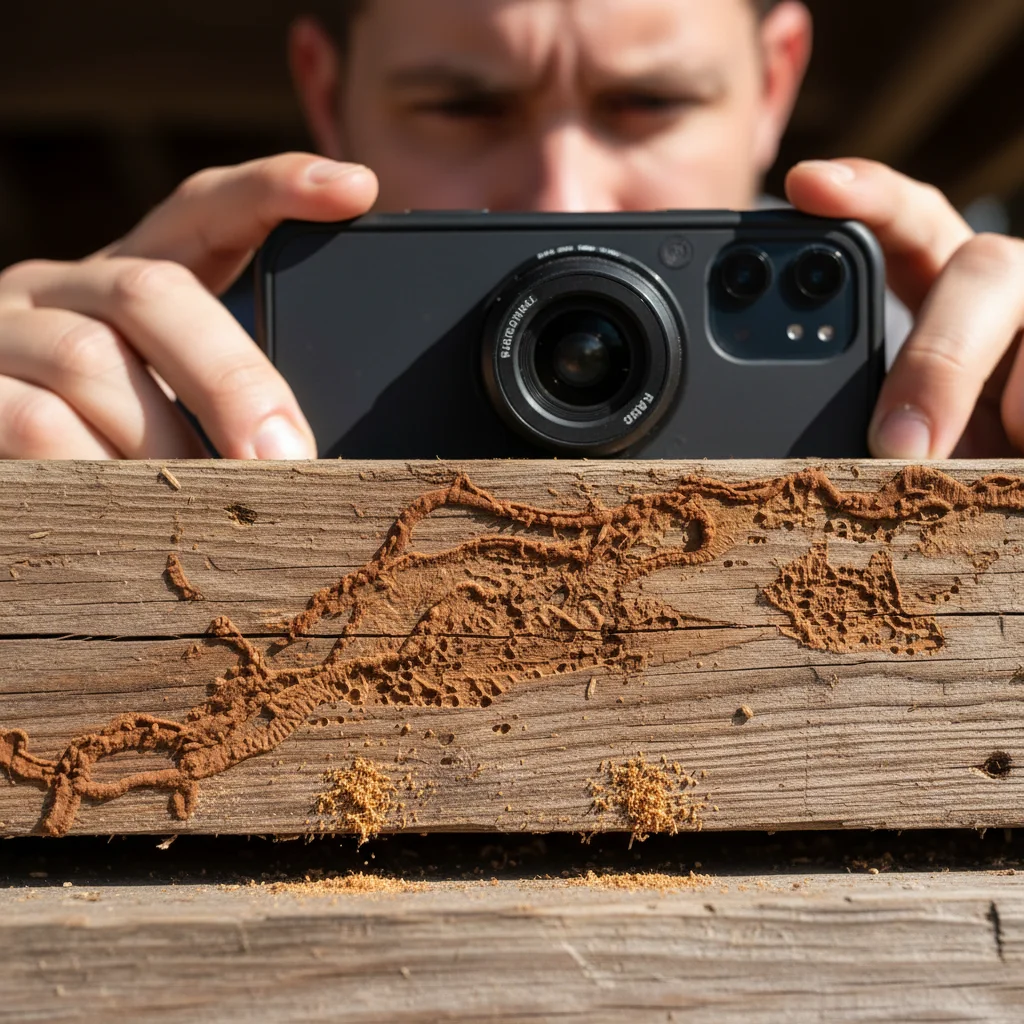
Document the suspected termite activity with photos and notes within 24 hours of discovery. Claims require evidence of active infestation, not just old damage or wood discoloration. The CA Structural Pest Control Board defines active infestation as live termites, fresh mud tubes, or wood damage with termite frass.
Contact your pest control company within 10 business days to maintain full coverage eligibility. Delays beyond 10 days can void coverage for that specific incident. Companies use quick reporting requirements to prevent fraudulent claims and ensure prompt treatment.
Schedule a warranty inspection with the original contractor or their licensed representative. The inspection determines whether the activity falls under warranty coverage or represents new infestation outside treated areas. Inspectors create detailed reports that become part of your warranty claim file.
Provide access to all areas where termite activity was discovered plus adjacent zones. Contractors need to inspect beyond the immediate problem area to determine treatment scope. Limited access can delay claim resolution and reduce treatment effectiveness.
Accept retreatment within 30 days of claim approval or forfeit warranty coverage for that incident. Contractors schedule warranty work based on availability and weather conditions. Refusing the first available treatment date can void your claim.
Claims must be filed within 10 business days of discovery for full coverage eligibility. This tight timeline protects contractors from liability for damage that occurs after homeowners discover problems but delay reporting. Late claims may receive partial coverage or complete denial.
The WDO inspection report becomes critical evidence during warranty claims. Inspectors document whether the activity represents warranty-covered reinfestation or new problems outside the original treatment scope. Homeowners should request copies of all inspection reports for their records.
Dispute resolution through the CA Structural Pest Control Board provides recourse when contractors deny legitimate warranty claims. The board investigates complaints and can order contractors to honor warranty obligations or face license sanctions. However, this process takes months and doesn’t guarantee favorable outcomes.
Frequently Asked Questions
Can I get a warranty extension after my current termite coverage expires?
Most California pest control companies offer warranty renewals requiring a new inspection and potential spot treatments. The CA Structural Pest Control Board requires current licensing verification before any warranty extension becomes valid. Renewal costs typically run 60-80% of original warranty pricing.
Do termite warranties cover damage repair or just retreatment costs?
Standard termite warranties in California cover retreatment and labor costs only, not structural damage repair. Damage repair coverage requires separate insurance or premium warranty packages that cost 200-400% more than basic retreatment warranties. Most homeowners discover this limitation only after finding expensive structural damage.
What happens if my pest control company goes out of business during my warranty period?
California contractors must maintain surety bonds through the Contractors State License Board, but termite warranty coverage typically becomes void if the company ceases operations. The CA Structural Pest Control Board maintains a complaint process but cannot enforce dissolved company warranties. Homeowners must purchase new coverage from different contractors.