

Why Ants Keep Coming Back California: The Argentine Ant Problem Explained
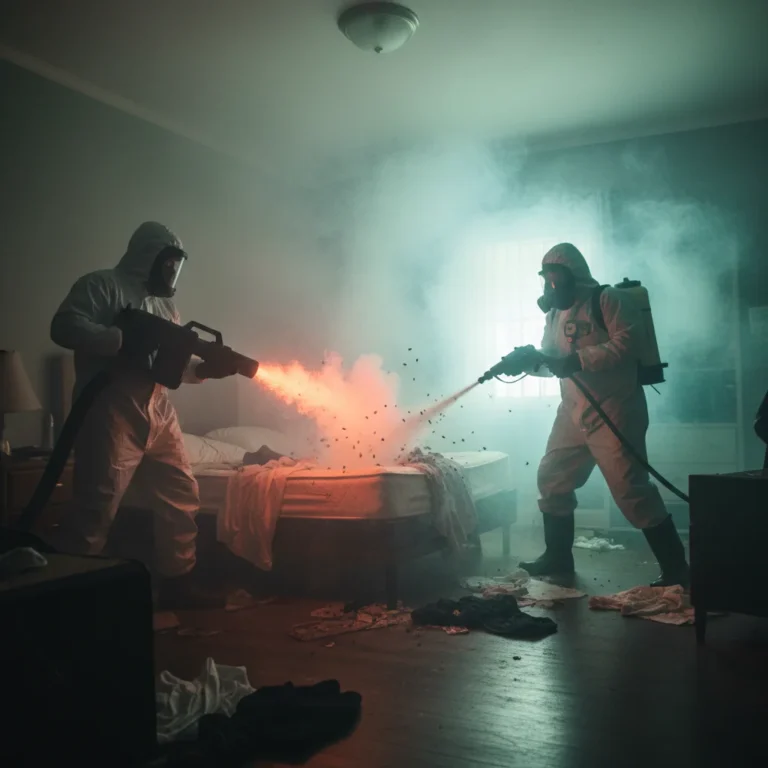
Why do ants keep coming back California homeowners ask after every failed DIY treatment? Spraying ants in California feels like fighting a hydra, kill a thousand workers and ten thousand more pour out of wall voids within hours.
Key Takeaways:
- Argentine ant super-colonies contain 200-400 queens per colony, making contact sprays completely ineffective against the reproductive core
- Non-repellent transfer sprays take 7-14 days to suppress colonies through trophallaxis, while contact sprays create immediate resistance barriers
- Permanent elimination is impossible, successful programs reduce surface activity by 85-95% through quarterly management cycles
Why Do Argentine Ant Super-Colonies Make Traditional Sprays Useless?
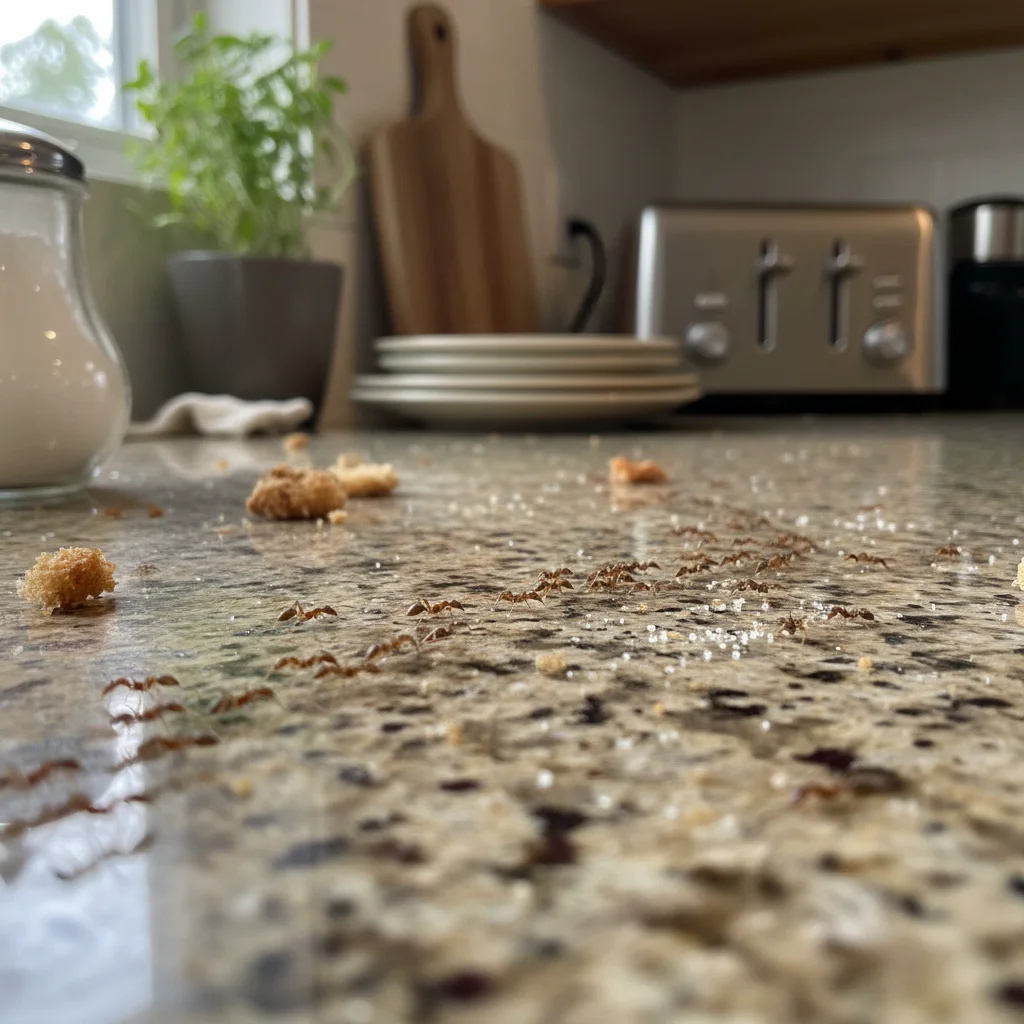
Argentine ant super-colony is a massive interconnected network of satellite nests sharing hundreds of reproductive queens. This means when you spray the workers trailing across your kitchen counter, you’re hitting maybe 0.1% of the actual population.
Most ant species have single queens. Kill the queen, colony dies. Argentine colonies contain 200-400 queens per colony. Each queen produces 60 eggs per day during peak season. The math works against every homeowner with a spray bottle.
Traditional contact sprays kill the visible workers instantly. The queens keep producing replacements in wall voids, under concrete slabs, and throughout your irrigation system. Within 24-48 hours, foraging trails reestablish at full strength.
This super-colony structure evolved specifically for California’s Mediterranean climate. Multiple queens create redundancy that makes Argentine ants nearly indestructible through conventional pest control methods. Professional pest control Tracy CA programs recognize this reality and target the colony structure instead of individual workers.
How Does Non-Repellent Transfer Spray Actually Work?
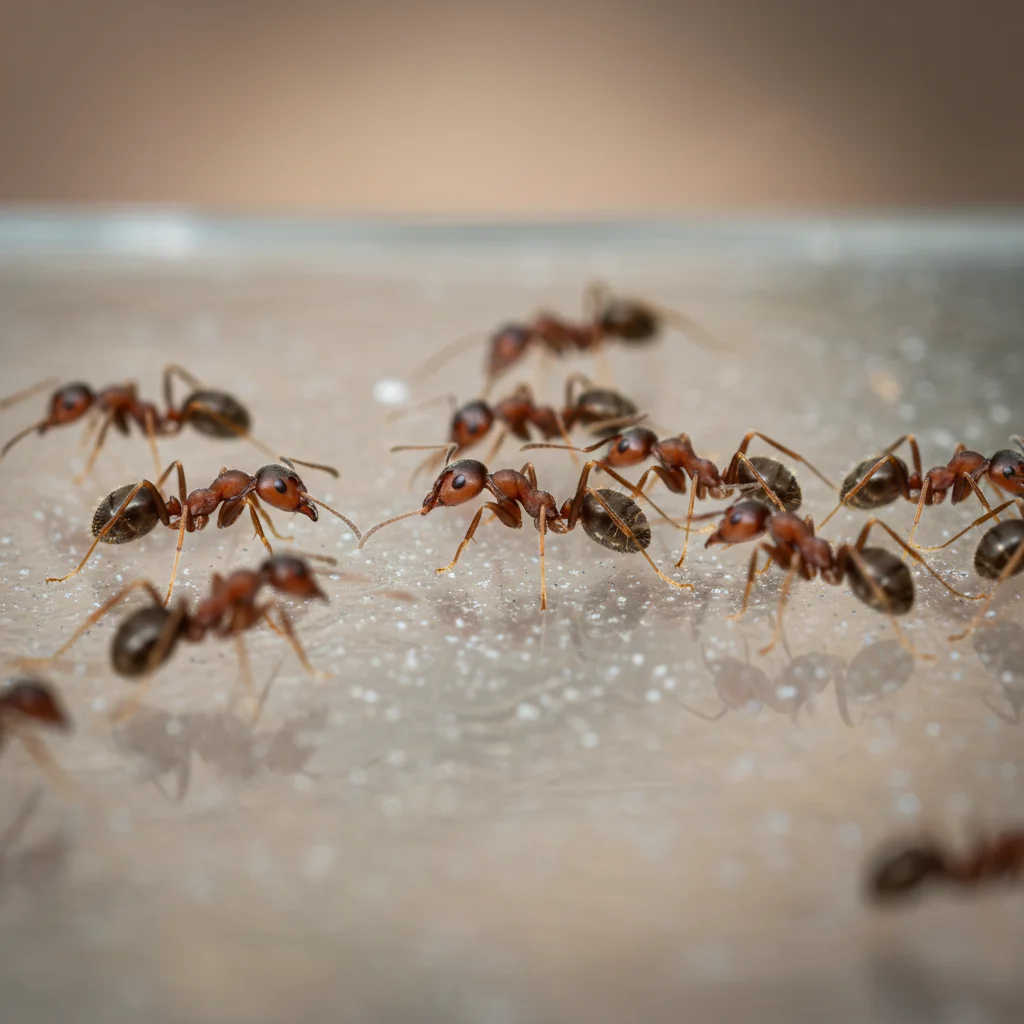
Non-repellent transfer spray kills colonies through trophallaxis process rather than immediate contact death. Here’s the step-by-step breakdown:
Application creates invisible treatment zones. Workers cross treated surfaces without detecting the active ingredient, unlike repellent sprays that create avoidance barriers.

Contaminated workers return to satellite nests. The active ingredient transfers through normal grooming and food-sharing behaviors called trophallaxis.
Queens receive contaminated food within 48-72 hours. Workers feed queens and larvae through regurgitation, spreading the active ingredient throughout the colony hierarchy.
Colony suppression peaks at 7-14 days. Queens stop laying eggs, existing larvae fail to develop, and worker populations crash from the reproductive core outward.
Surface activity drops 85-95% for 60-90 days. Unlike contact sprays that provide 24-hour relief, non-repellent treatments suppress entire satellite networks.
The active ingredient must be slow-acting to allow maximum distribution. Fast-kill formulations prevent trophallaxis transfer and only eliminate individual workers. Professional general pest control Tracy CA services use non-repellent active ingredients specifically because they target Argentine super-colony biology.
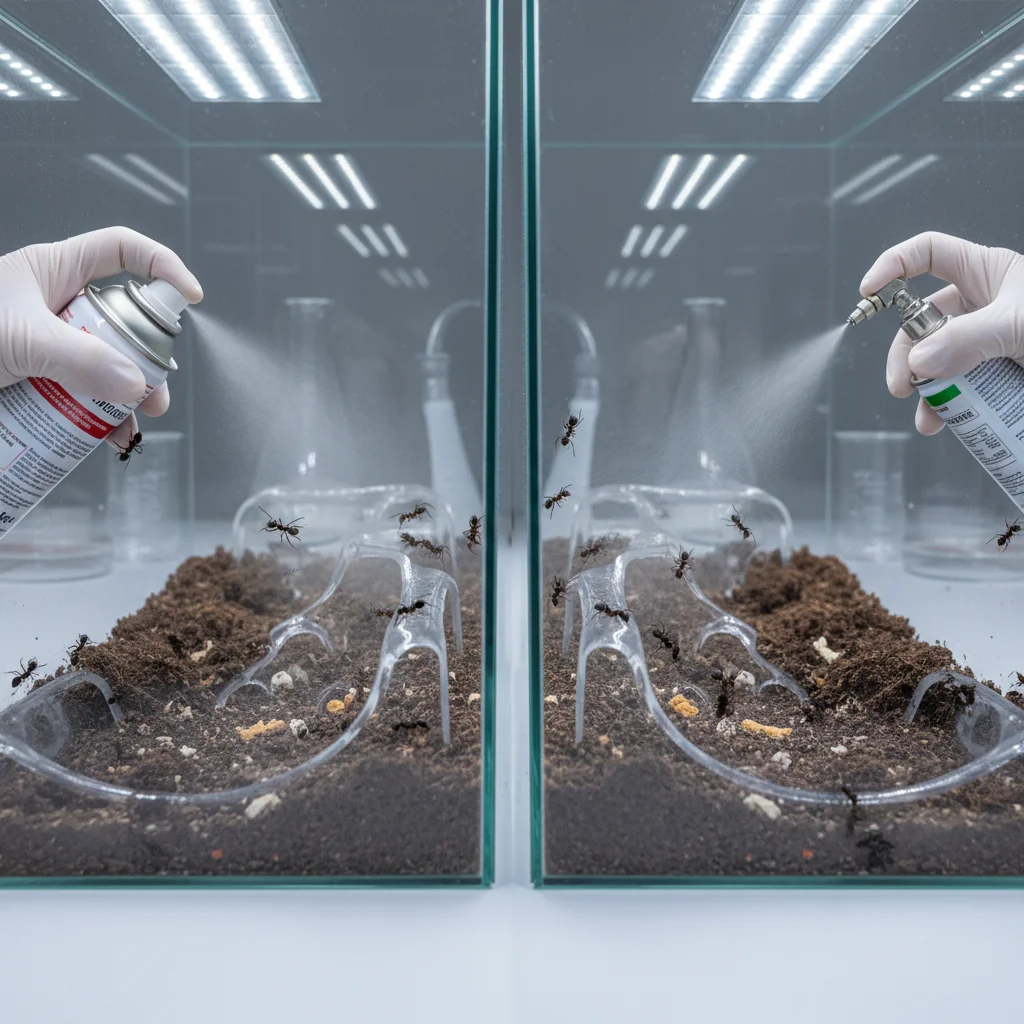
Contact Spray vs Non-Repellent Treatment: Results Comparison
| Treatment Method | Initial Kill Speed | Colony Impact | Reinfestation Time | Cost Per Treatment |
|---|---|---|---|---|
| Contact Spray | 15 minutes | Workers only | 24-48 hours | $15-25 |
| Non-Repellent Transfer | 7-14 days | Full colony suppression | 60-90 days | $85-150 |
| Bait Stations | 10-21 days | Queen elimination possible | 90-120 days | $45-75 |
| Perimeter Barrier | 30 minutes | Entry point blocking | 30-45 days | $200-350 |
Contact sprays create immediate resistance barriers that actually worsen long-term infestations. Argentine super-colonies respond to contact spray stress by budding into multiple satellite colonies. You get temporary satisfaction watching workers die, then face increased population pressure within weeks.
Non-repellent treatments achieve the opposite result. Initial activity may increase for 3-5 days as contaminated workers spread the active ingredient. Then surface activity drops dramatically as queens stop reproducing. The timeline feels backward to homeowners who want instant gratification.
Contact sprays achieve 24-hour reinfestation while non-repellent treatments suppress activity for 60-90 days. The cost difference reflects treatment effectiveness, not product markup.
Why Does Bait Station Placement Determine Success or Failure?
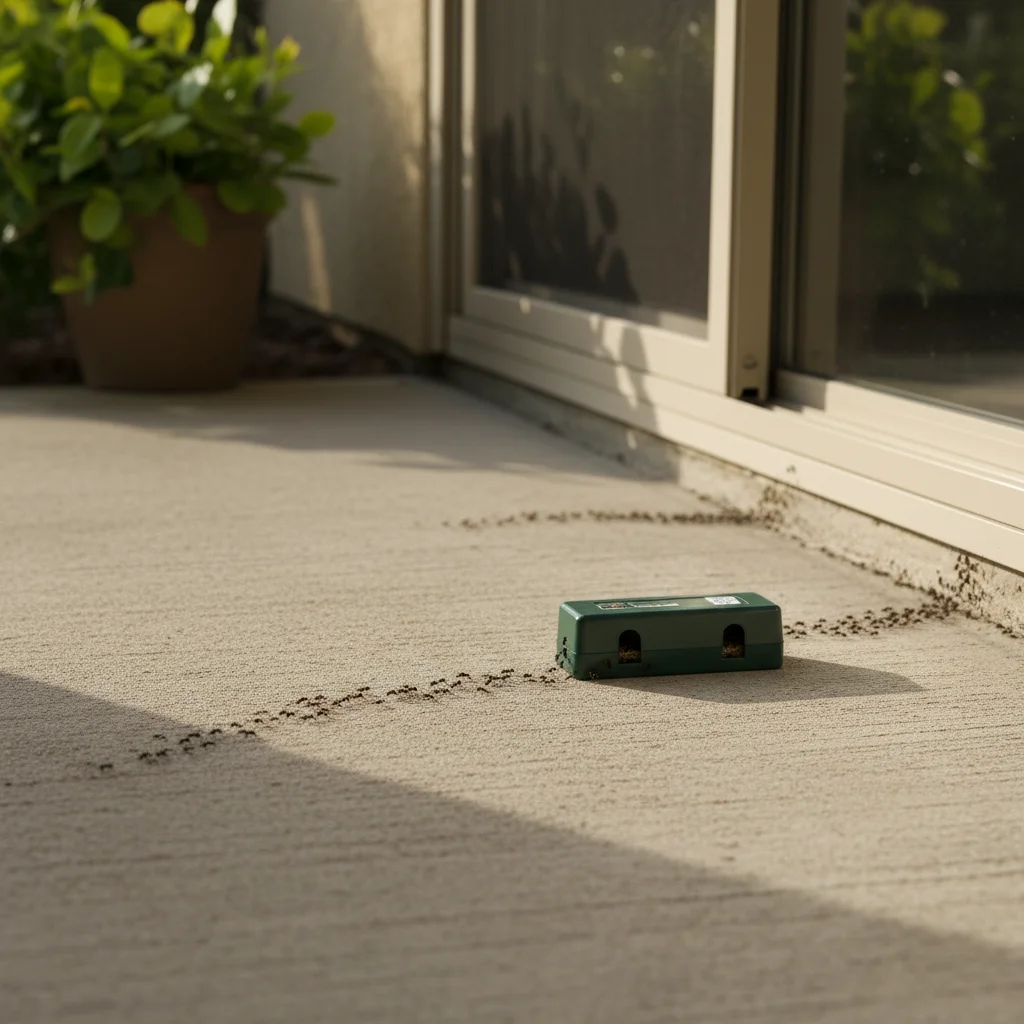
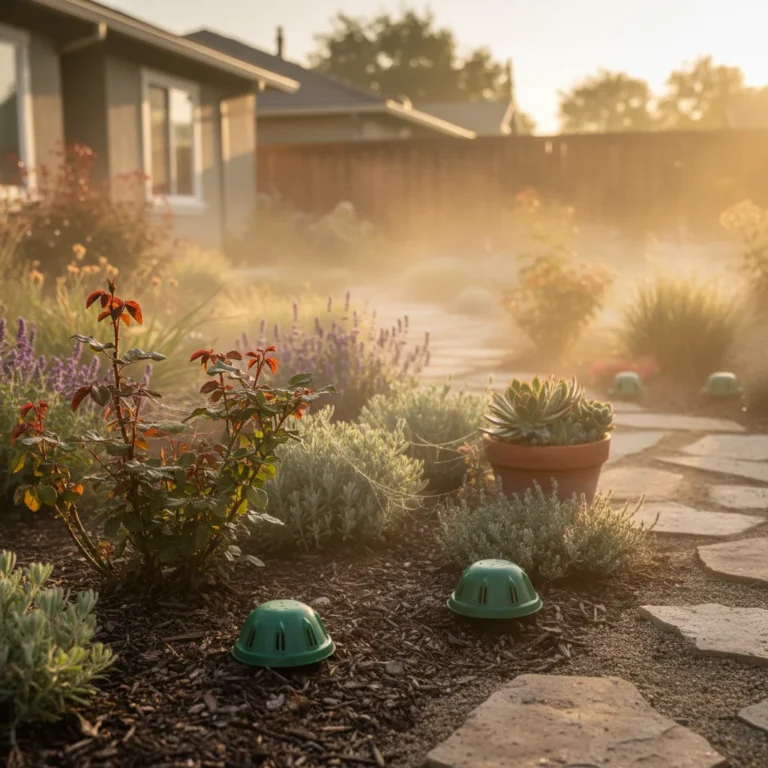
Bait station placement determines colony access to slow-acting borax compounds that kill through trophallaxis transfer. Poor placement wastes money and extends infestations.
Place stations 3-6 feet from entry points to intercept 90% of foraging trails. Closer placement creates avoidance behavior, further placement misses active trails entirely.
Use slow-acting borax baits that allow 7-14 days for colony transfer. Fast-kill baits prevent workers from returning to feed queens and larvae.
Refresh bait every 14-21 days during active season. Dried or contaminated bait gets ignored by workers seeking fresh protein and carbohydrate sources.
Protect stations from irrigation spray and direct sunlight. Moisture destroys bait effectiveness, UV light breaks down active ingredients within 48 hours.
Monitor consumption patterns to track colony suppression. Decreased bait consumption indicates successful queen elimination, not treatment failure.
Bait stations work through the same trophallaxis process as non-repellent sprays. Workers carry borax back to satellite nests, feed queens through regurgitation, and suppress reproduction from the core outward. Placement errors prevent this transfer mechanism and maintain surface activity indefinitely.
How Do California’s Irrigation Cycles Drive Surface Ant Activity?
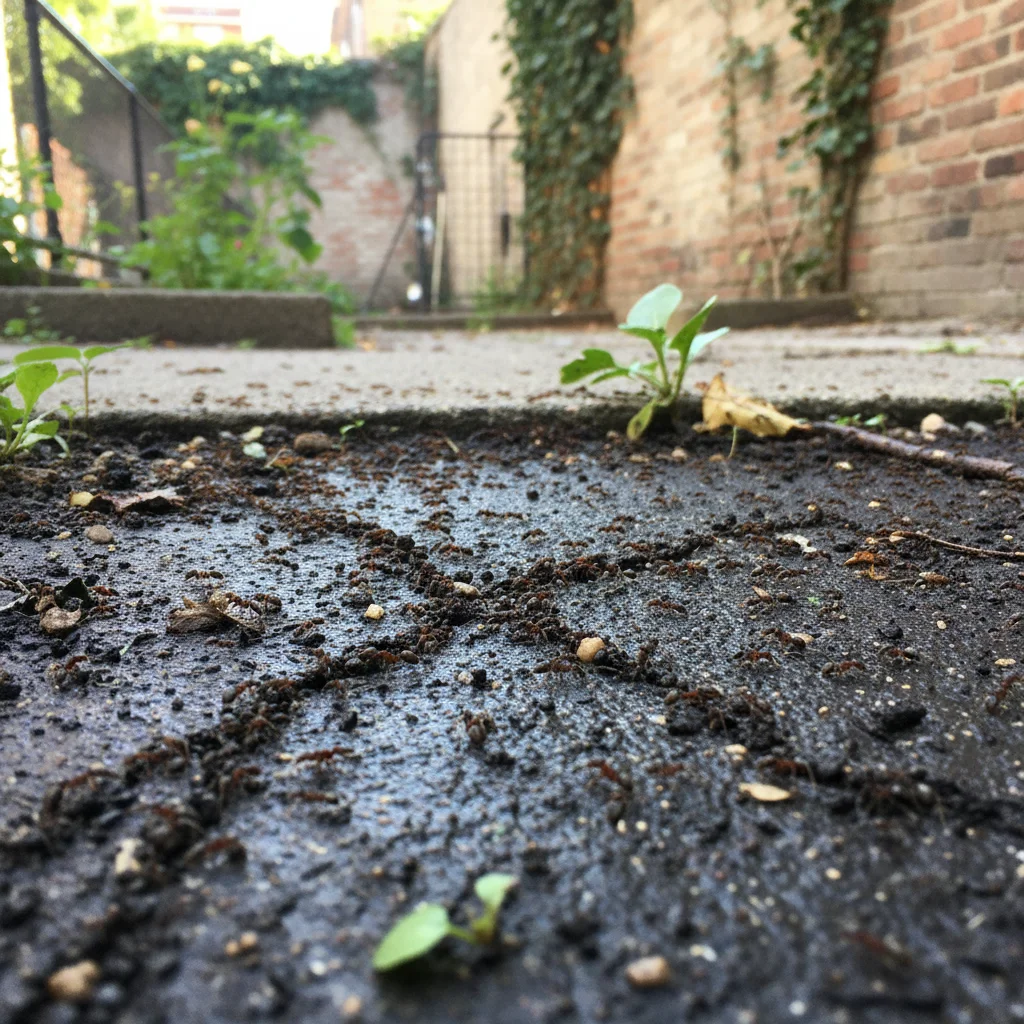
Irrigation cycles force surface nesting behavior that brings Argentine colonies into direct contact with your living spaces. Understanding this pattern helps predict and prevent indoor invasions.
Lawn watering creates soil saturation that drowns existing nest chambers. Colonies move upward into wall voids, under concrete slabs, and around foundation perimeters. Surface ant activity increases 300% within 48 hours of irrigation cycles.
Argentine ants need consistent moisture but cannot tolerate waterlogged soil. Automatic sprinkler systems create weekly displacement cycles that push colonies toward your home’s exterior envelope. Manual watering disrupts this pattern and reduces invasion pressure.
Seasonal pest activity peaks during summer months when irrigation frequency increases. Fall and winter watering schedules allow deeper nesting that keeps colonies away from interior spaces. This explains why ant problems worsen in July-September despite no change in colony population size.
Professional pest prevention checklist Tracy CA programs time treatments around irrigation schedules to target displaced colonies when they’re most vulnerable to surface applications.
Why Permanent Elimination Is Impossible: The Management Reality
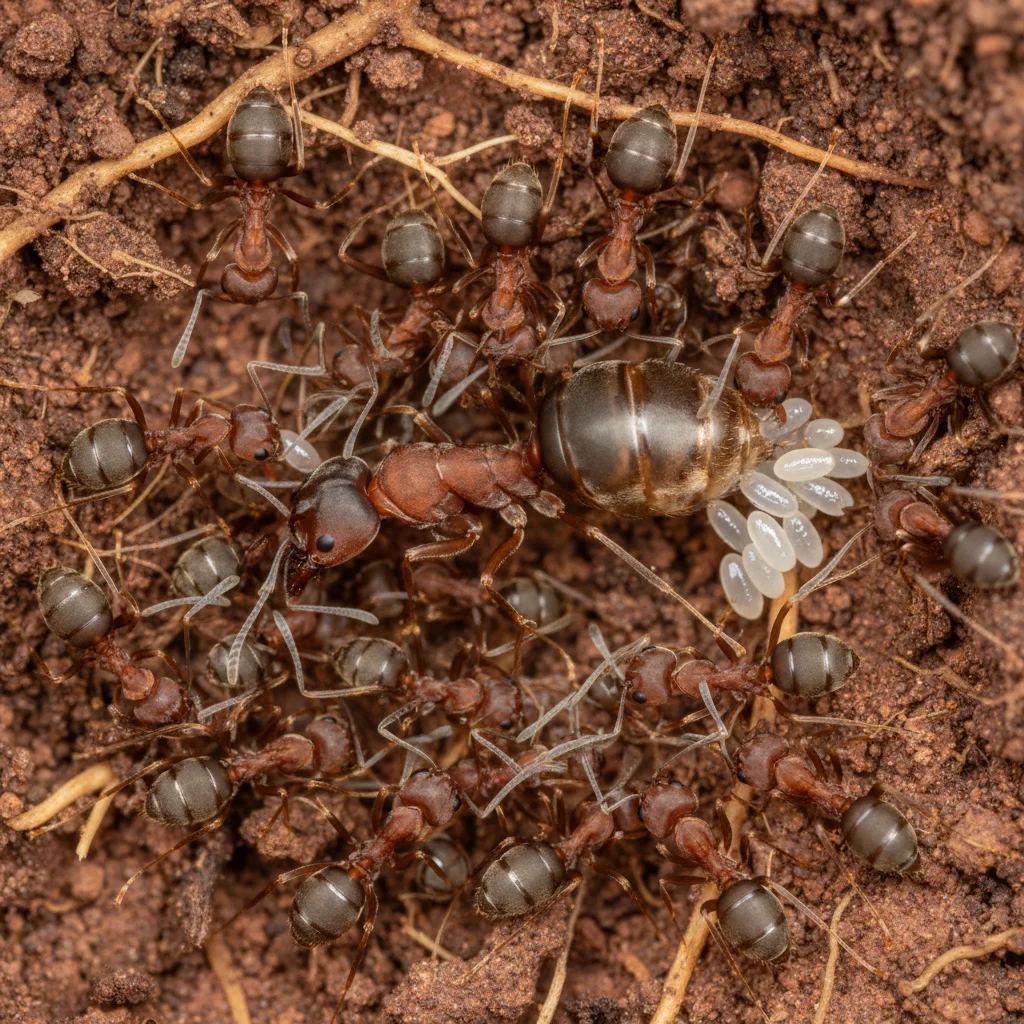
Integrated pest management achieves 85-95% activity reduction through quarterly treatment cycles, but permanent elimination remains biologically impossible with Argentine super-colonies.
Argentine queens live 2-3 years and produce 60 eggs daily during active season. A single satellite colony can rebuild surface activity from six surviving queens within 90 days. California’s Mediterranean climate supports year-round reproduction that outpaces any single treatment approach.
Professional programs combine perimeter barrier treatment, strategic bait placement, and non-repellent applications to maintain suppression. Quarterly service cycles target seasonal activity peaks and prevent colony recovery between treatments.
Termite warranty coverage California provides similar ongoing protection models because both pests require continuous management rather than one-time elimination. Homeowners who understand this reality get better results from professional services than those expecting permanent solutions.
Successful ant management means accepting 5-15% baseline activity while preventing the explosive population growth that drives indoor invasions. This approach costs less than repeated DIY failures and provides predictable protection.
Frequently Asked Questions
How long does it take for non-repellent ant spray to work?
Non-repellent sprays take 7-14 days to suppress Argentine ant colonies through trophallaxis transfer. You’ll see peak activity for 3-5 days as treated ants return to the colony, then rapid decline in surface activity. The timeline feels wrong to homeowners expecting immediate results, but the delayed action allows maximum colony penetration.
Can you actually get rid of Argentine ants permanently in California?
Permanent elimination of Argentine ants is impossible due to their super-colony structure with hundreds of queens. Professional management programs achieve 85-95% reduction in activity through quarterly treatments and integrated approaches. Anyone promising permanent elimination doesn’t understand Argentine ant biology or is selling unrealistic expectations.
Why do ants come back worse after DIY spray treatments?
Contact sprays create chemical barriers that split colonies into multiple satellite nests, actually increasing long-term population. Argentine super-colonies respond to contact spray stress by accelerating reproduction and expanding territory. The immediate satisfaction of watching workers die creates worse problems within 2-3 weeks as colonies reestablish with higher queen density.