

Effective Rodent Exclusion Tracy CA: How to Keep Rats and Mice Out with Lasting Results
Rodent exclusion Tracy CA requires more than trapping alone. Most Tracy homeowners trap rats but skip exclusion, which is why 73% face repeat infestations within 90 days. Sealing entry points permanently blocks new rats from entering your home.
The problem with standard pest control Tracy CA approaches? They focus on elimination, not prevention. You need both methods working together for lasting results.
Key Takeaways:
- Exclusion sealing prevents entry while trapping only removes current rats, you need both methods for permanent rodent control
- Roof rats squeeze through gaps as small as ½ inch, Norway rats through ¾ inch openings around foundations and pipe penetrations
- Hardware cloth costs $0.89 per square foot but lasts 15+ years, while steel wool degrades within 2-3 seasons in California weather
What Is Rodent Exclusion and Why Does Trapping Alone Fail?
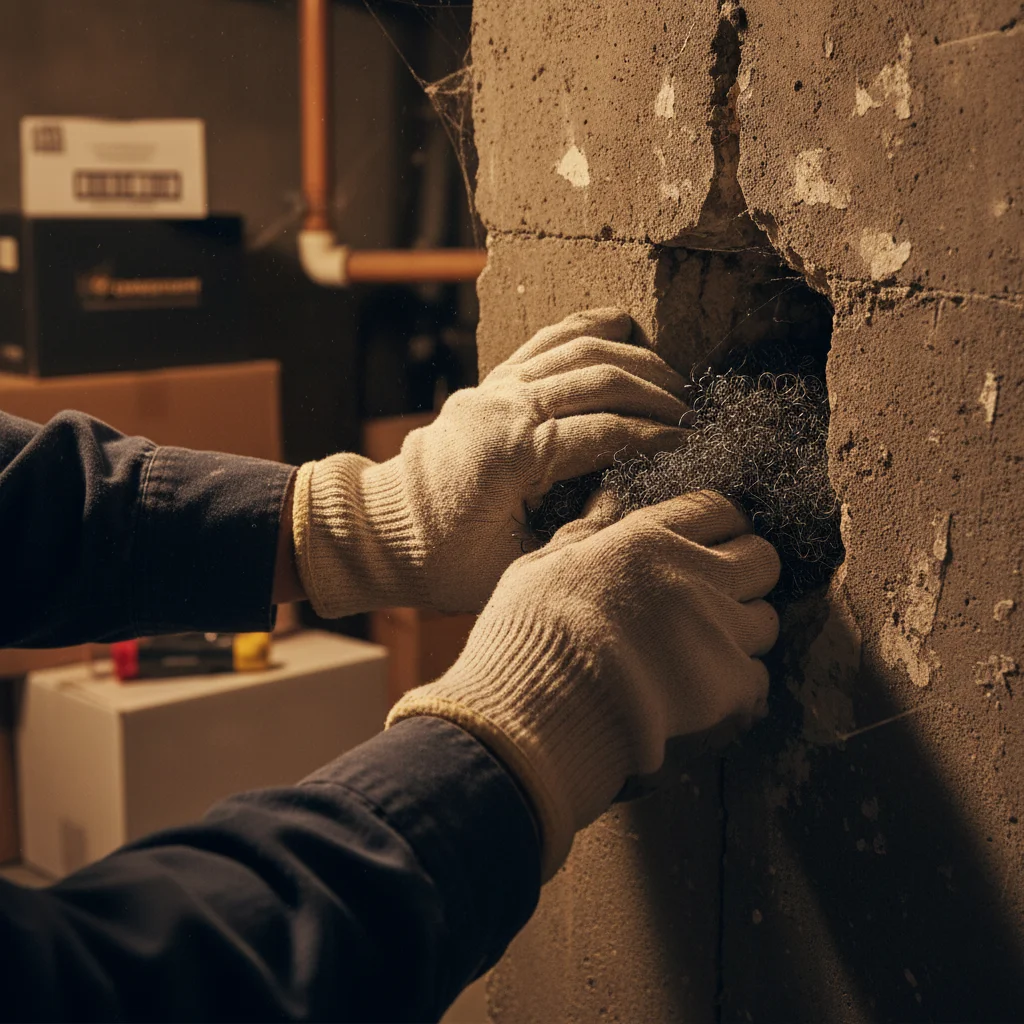
Rodent exclusion is the physical sealing of all potential entry points to prevent rats and mice from accessing your home. This means identifying every gap, crack, and opening that rodents use, then permanently blocking these access routes with appropriate materials.
Trapping without exclusion creates an endless cycle. You kill the current rats, but new ones discover the same entry points within days. The territory becomes available, and Central Valley pest pressure drives replacement rodents to fill the vacant space.
Roof rats and Norway rats behave differently during this process. Roof rats enter through upper-level access points like roof vents, eave gaps, and utility penetrations near the roofline. They mark territory with scent trails that attract new colonies even after the original rats are eliminated. Norway rats focus on ground-level entry points around foundations, garage doors, and crawl space vents.
Central Valley agricultural areas create constant rodent pressure on Tracy residential properties. When crop harvests occur, displaced rats migrate toward suburban food sources and shelter. Your home competes with sealed properties for these migrating populations. Unsealed homes become rodent magnets.
The re-infestation cycle happens fast. Within 72 hours of successful trapping, scout rats begin testing previously occupied territory. Without exclusion barriers, new colonies establish within 2-3 weeks. This explains why 73% of homes using trapping-only methods face repeat problems within 90 days.
Successful rodent control combines immediate population removal through trapping with permanent access prevention through exclusion. One method without the other fails consistently.

How Do You Find Every Entry Point During Rodent Inspection?
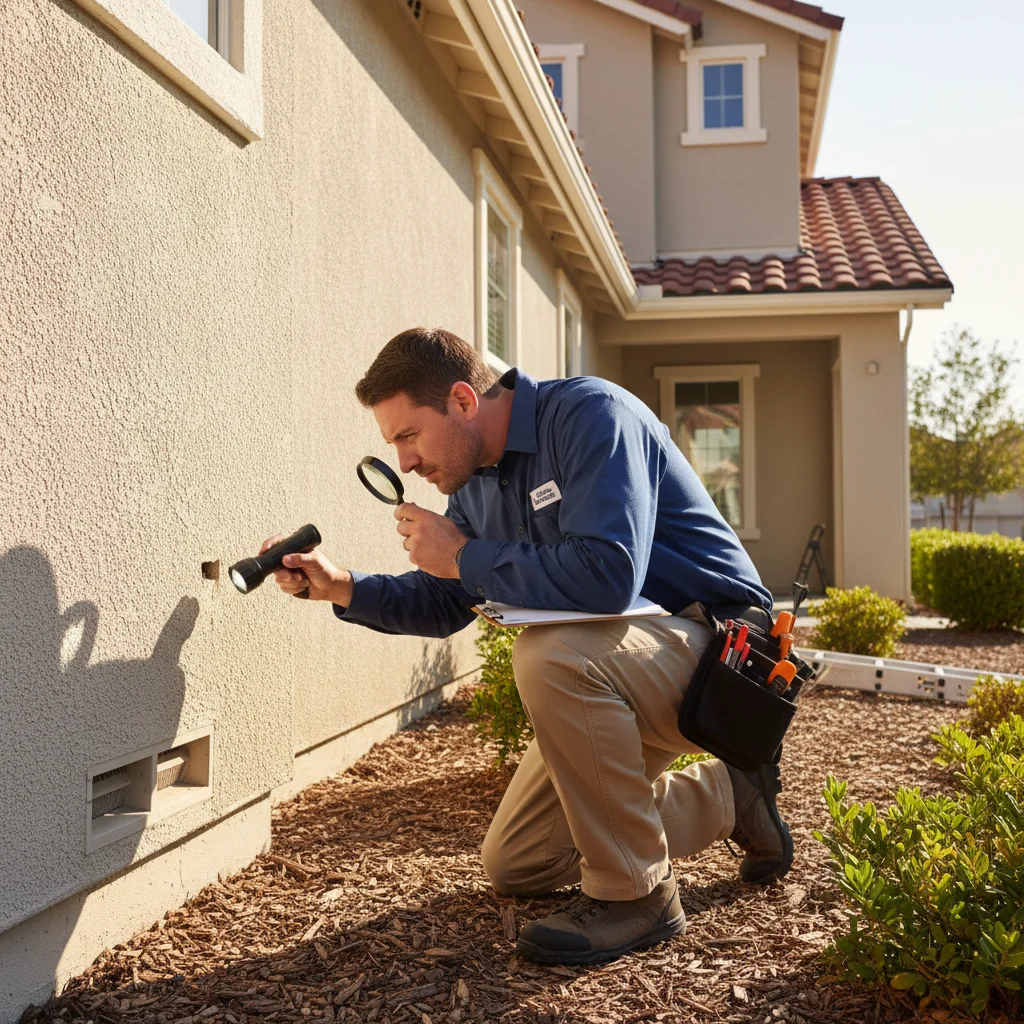
Pest inspection for exclusion requires systematic coverage of every potential access point. Missing a single gap renders the entire effort worthless, since rodents will exploit any available entry route.
Follow this inspection sequence:
Start with exterior perimeter walkthrough. Examine the foundation line for gaps where concrete meets siding, cracks in foundation walls, and areas where different building materials join. Use a flashlight to check behind shrubs and landscaping that might hide foundation damage.
Inspect all utility penetrations. Check where electrical conduits, gas lines, cable/internet lines, and plumbing enter the structure. Contractors often leave gaps around these penetrations during installation. Measure gap sizes with a ruler, roof rats squeeze through ½ inch openings, Norway rats through ¾ inch gaps.
Examine roof and eave areas systematically. Walk the entire roofline looking for missing or damaged eave screening, gaps where roof materials meet walls, and openings around chimney bases. Pay attention to areas where tree branches touch the roof structure.
Check attic and crawl space access points. Inspect attic vents for missing or damaged screening, crawl space vents for gaps around frames, and any openings created for HVAC ductwork or electrical access.
Document gap measurements and locations. Take photos and notes for each identified entry point. Record the gap size, construction material surrounding it, and accessibility for repair work.
Test questionable areas with flashlight inspection. Shine light from inside dark spaces while someone observes from outside. Light penetration indicates gaps large enough for rodent access.
Professional inspections use mirrors, telescoping cameras, and measurement tools to access difficult areas. The inspection process typically takes 45-90 minutes for a standard residential property, depending on structural complexity and landscaping obstacles.
Steel Wool vs Hardware Cloth vs Foam: Which Sealing Materials Last?
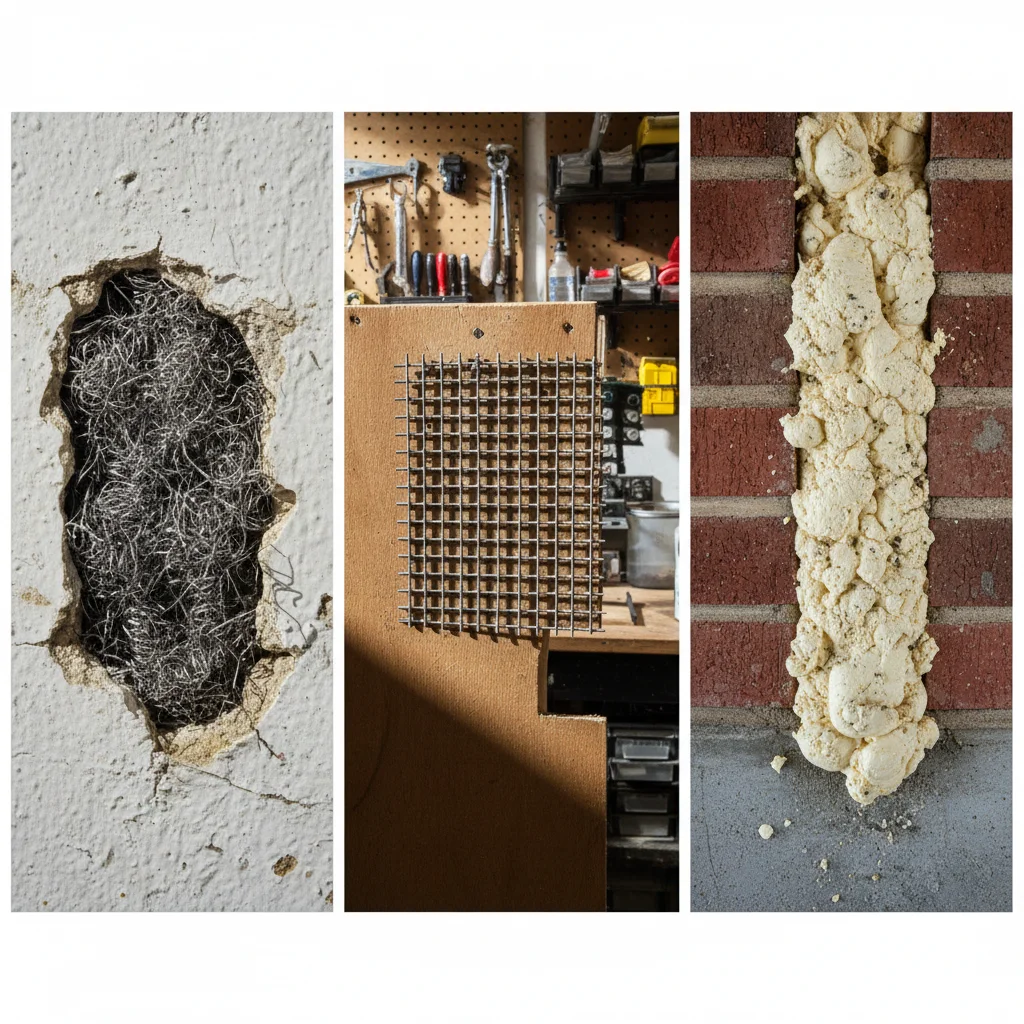
Material selection determines long-term exclusion success. Choosing the wrong material means repeating the sealing process within months instead of years.
| Material | Cost Per Sq Ft | Lifespan | Rodent Resistance | Best Applications |
|---|---|---|---|---|
| Hardware cloth | $0.89 | 15-20 years | Excellent – rats cannot chew through | Large gaps, vent covering, permanent sealing |
| Steel wool | $0.34 | 2-3 seasons | Good initially – degrades quickly | Temporary sealing, small gaps before permanent repair |
| Expanding foam | $0.12 | 6-12 months | Poor – rats chew through easily | Interior cosmetic work only, never exterior barriers |
| Copper mesh | $1.24 | 10-15 years | Excellent – antimicrobial properties | Premium applications, areas with moisture exposure |
Hardware cloth provides the best long-term value despite higher upfront costs. The ¼ inch mesh blocks both roof rats and Norway rats while withstanding California weather conditions. Galvanized coating prevents rust deterioration that compromises cheaper materials.
Steel wool works for temporary applications but fails quickly in outdoor environments. Tracy’s seasonal weather cycles cause steel wool to rust and fragment within 2-3 seasons. Determined rodents can work through degraded steel wool in 24-48 hours.
Expanding foam creates a false sense of security. Rodents chew through cured foam easily, often creating larger openings than the original gap. Never use expanding foam as a primary exclusion material. It works for interior cosmetic sealing after installing proper barriers.
Installation technique matters as much as material choice. Hardware cloth must be secured with screws and washers, not just staples. Overlap joints by minimum 2 inches and seal overlaps with additional fastening. Poor installation negates material advantages.
Copper mesh costs more but offers antimicrobial properties that prevent bacterial buildup in sealed areas. Use copper mesh for areas with moisture exposure or where premium longevity justifies the expense.
Where Do Foundation Gaps and Pipe Penetrations Need Sealing?
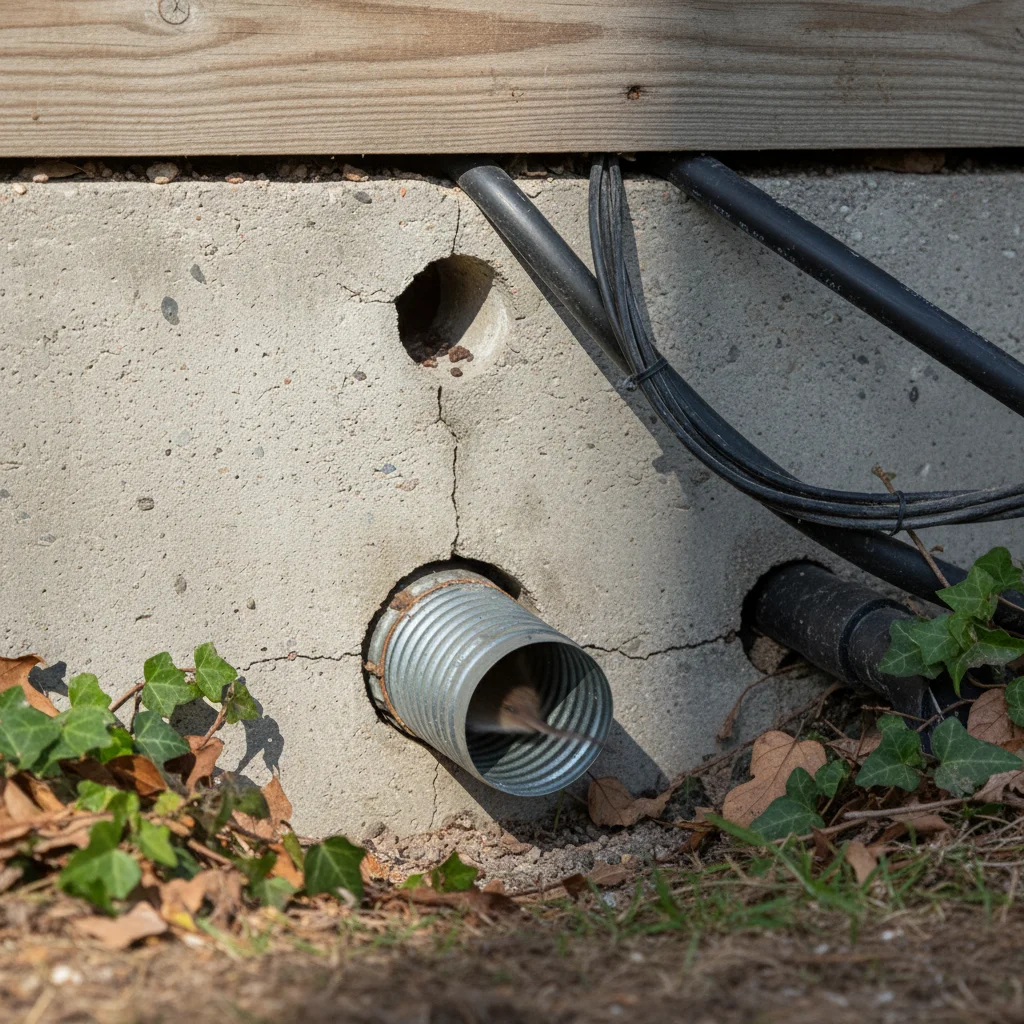
Foundation-level entry points allow Norway rat access to wall voids, crawl spaces, and interior areas. These gaps occur predictably in specific locations around residential structures.
Common foundation sealing locations include:
Utility penetration points where electrical, gas, water, and cable lines enter through foundation walls. Contractors typically drill oversized holes and leave gaps around utility lines after installation.
Foundation settlement cracks that develop as Tracy’s clay soil expands and contracts seasonally. Even hairline cracks widen enough for rodent access during dry periods when soil shrinks.
Sill plate connections where wooden framing sits on concrete foundations. Wood shrinkage creates gaps along the sill plate line, especially on south-facing walls with sun exposure.
Crawl space vents with missing or damaged screening that allow direct access to subfloor areas. Standard vent screening uses mesh too large to exclude rodents.
Garage door tracks and seals where concrete slabs meet door mechanisms. Garage doors rarely seal completely, leaving consistent access points along track edges.
Pipe penetrations create the most problematic gaps because they require waterproof sealing that maintains structural integrity. Use hardware cloth cut to fit around pipe circumference, then seal the hardware cloth to foundation material with appropriate caulking compounds.
Seasonal foundation movement in Tracy’s clay soil reopens previously sealed cracks. Plan for annual inspection and touch-up sealing, especially after wet winter periods when soil expansion stresses foundation materials.
Foundation gaps wider than 1 inch require professional assessment for structural implications. Large gaps might indicate foundation settling that needs engineering evaluation before cosmetic sealing.
Why Does Central Valley Agricultural Pressure Make Exclusion Critical?

Central Valley pest pressure creates unique rodent migration patterns that make exclusion more important in Tracy than in purely urban environments. Agricultural harvest cycles displace established rodent populations, driving them toward residential food sources and shelter.
Seasonal pest activity peaks occur during September-November harvest periods when crops are gathered and agricultural lands are disturbed. Displaced rodent populations migrate from farmland toward suburban areas seeking alternative food sources. Tracy properties experience 3-4x higher rodent pressure during these months compared to spring periods.
Agricultural areas maintain higher baseline rodent populations than urban environments. Grain storage, animal feed, and crop residue support large Norway rat and roof rat colonies year-round. When farming operations disrupt these established territories, surplus populations disperse to neighboring residential areas.
The pressure differential between sealed and unsealed homes becomes critical during migration periods. Rodents test multiple properties but establish colonies in the first accessible structure they encounter. Proper exclusion redirects migrating populations to unsealed properties instead of your home.
Timing matters for exclusion work. Complete sealing before peak migration months provides maximum protection. Attempting exclusion during active migration periods means competing with high rodent pressure that can overwhelm incomplete sealing efforts.
Central Valley agricultural pressure also creates genetic selection for more persistent rodent populations. Rats that survive agricultural pest control develop increased wariness and problem-solving abilities. These survivors require more thorough exclusion methods than urban rodent populations.
Tracy’s location between multiple agricultural zones compounds this pressure. Rodents displaced from eastern farmland, western orchard operations, and southern crop areas converge on Tracy residential properties during migration periods.
Should You Attempt DIY Exclusion or Hire Professional Assessment?
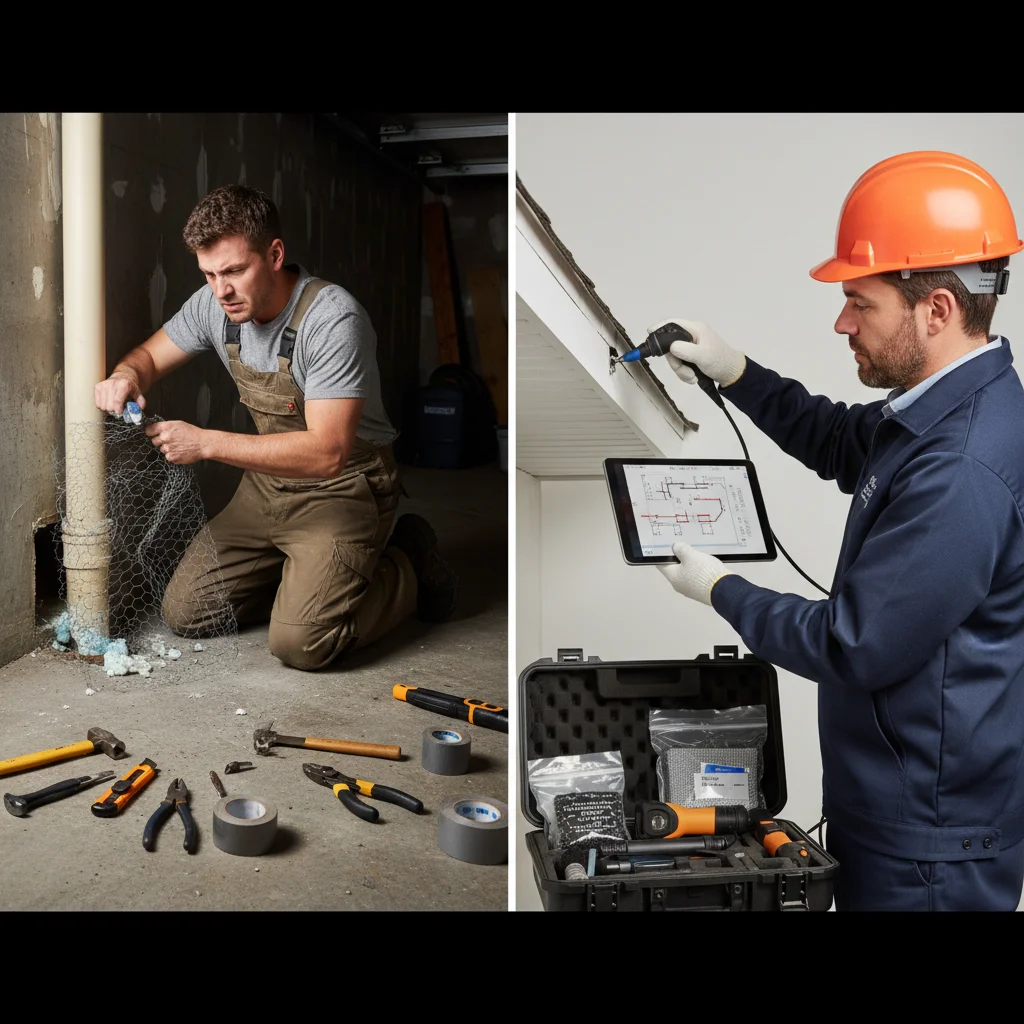
DIY exclusion works for simple, accessible sealing projects but fails when entry points are hidden, structurally complex, or require specialized tools for proper installation.
| Factor | DIY Approach | Professional Assessment |
|---|---|---|
| Success Rate | 45-60% effective | 85-95% effective |
| Hidden Entry Points | Often missed | Systematic detection |
| Material Warranty | No coverage | 1-3 year guarantees |
| Liability Issues | Homeowner responsibility | Professional insurance |
| Tool Requirements | Basic hand tools | Specialized detection equipment |
| Time Investment | 8-16 hours | 2-4 hour service call |
Homeowners can handle straightforward sealing tasks like vent screening replacement, obvious gap filling with hardware cloth, and basic caulking applications. These visible, accessible entry points represent about 40% of total exclusion needs on typical properties.
Professional assessment identifies hidden entry points that DIY inspection misses. Trained technicians use mirrors, telescoping cameras, and systematic grid inspection patterns to locate gaps behind landscaping, under eaves, and in structural areas that homeowners cannot safely access.
The liability difference is significant. Incomplete DIY sealing creates a false sense of security while rodents exploit missed entry points. Professional services carry insurance for incomplete work and typically guarantee results with follow-up service if rodents return within the warranty period.
Cost comparison favors professional service when calculated on a per-year basis. DIY material costs run $150-300 for a typical home, but 55% of DIY exclusion attempts require professional correction within 18 months. Professional exclusion costs $400-800 but includes systematic inspection, proper materials, and warranty coverage.
Hidden entry points cause most DIY failures. Roof intersections, utility chases, and structural gaps invisible from ground level require specialized access and detection methods. One missed entry point negates all other sealing efforts.
Consider professional assessment for homes with complex rooflines, multiple building additions, or previous rodent problems that returned after DIY attempts. Simple ranch-style homes with good accessibility work better for DIY approaches.
Frequently Asked Questions
How long does rodent exclusion work last on a Tracy home?
Properly installed hardware cloth exclusion lasts 15-20 years in California weather conditions. Steel wool degrades within 2-3 seasons and needs replacement. Annual inspection catches any settlement cracks or material deterioration before rodents exploit new gaps.
Can you do exclusion work while rats are still in the attic?
No, sealing entry points while rats remain inside traps them in your attic where they die and create odor problems. Always complete trapping first, then seal all entry points within 48 hours to prevent new rats from discovering the vacant territory.
What happens if you miss just one entry point during exclusion?
Rodents will find and exploit any unsealed gap, making the entire exclusion effort worthless. Professional inspections use systematic grid patterns to avoid missing entry points. One missed ½-inch gap can allow an entire roof rat colony to re-establish.