


Pest Control Costs & Comparisons in Tracy, CA: 2026 Pricing Guide
Pest control prices Tracy CA run 12-18% higher than the state average because agricultural pressure and new construction create year-round pest activity demanding specialized approaches. Tracy homeowners face unique cost factors that most California pricing guides miss.
Key Takeaways:
- One-time treatments range $189-$425 while recurring contracts cost $65-$145 per quarterly visit in Tracy
- Local Tracy exterminators charge 23% less than national chains but include fewer add-on services in base pricing
- Property size affects pricing more than pest type, 2,400+ sq ft homes pay 40% more regardless of target species
How Much Does Pest Control Actually Cost in Tracy CA?
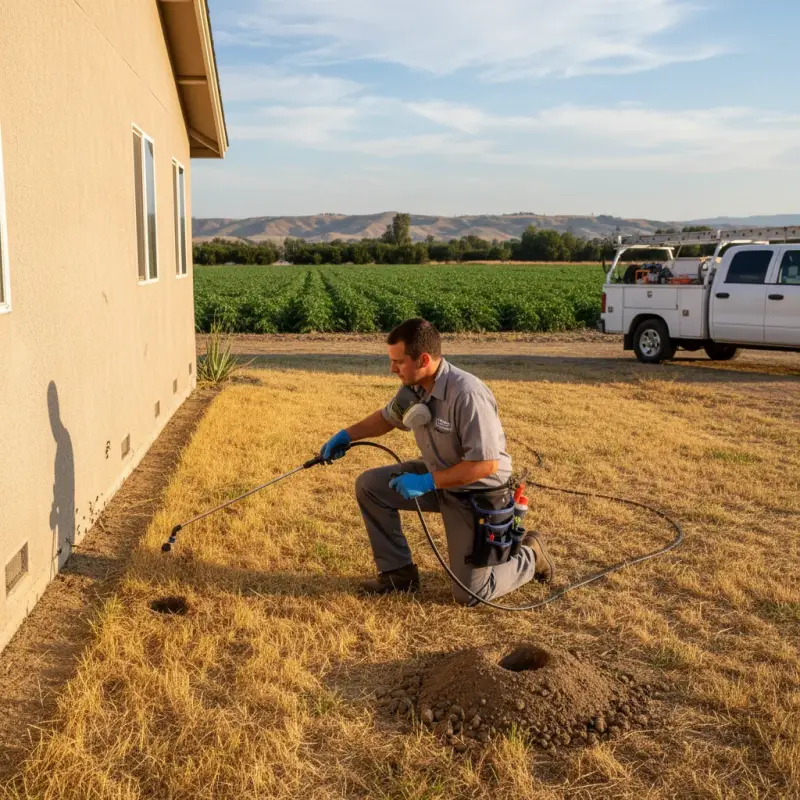
One-time treatment costs $189-$425 in Tracy. This price reflects the specialized approaches needed for Central Valley pest pressure, particularly near agricultural areas where Argentine ants and gophers create ongoing challenges beyond typical urban pest control.
Recurring service contracts reduce these costs through volume pricing. Tracy quarterly service contracts average $87 per visit for properties under 2,000 sq ft. The cost-per-visit drops further with annual prepayment or multi-year agreements.
| Service Type | Under 2,000 sq ft | 2,000-3,500 sq ft | Over 3,500 sq ft |
|---|---|---|---|
| One-time treatment | $189-$275 | $285-$350 | $375-$425 |
| Quarterly contract | $65-$95 | $105-$125 | $130-$145 |
| Emergency same-day | $245-$325 | $350-$425 | $450-$525 |
Seasonal variations affect these rates. Summer months see 15-20% price increases due to higher pest activity and technician demand. Winter rates drop slightly, but Tracy’s mild climate means pest activity continues year-round.
Property location within Tracy affects base pricing. Homes near farmland or irrigation channels pay premium rates because agricultural pest pressure requires specialized integrated pest management approaches and more frequent monitoring.
What Drives Price Differences Between Tracy Pest Control Companies?
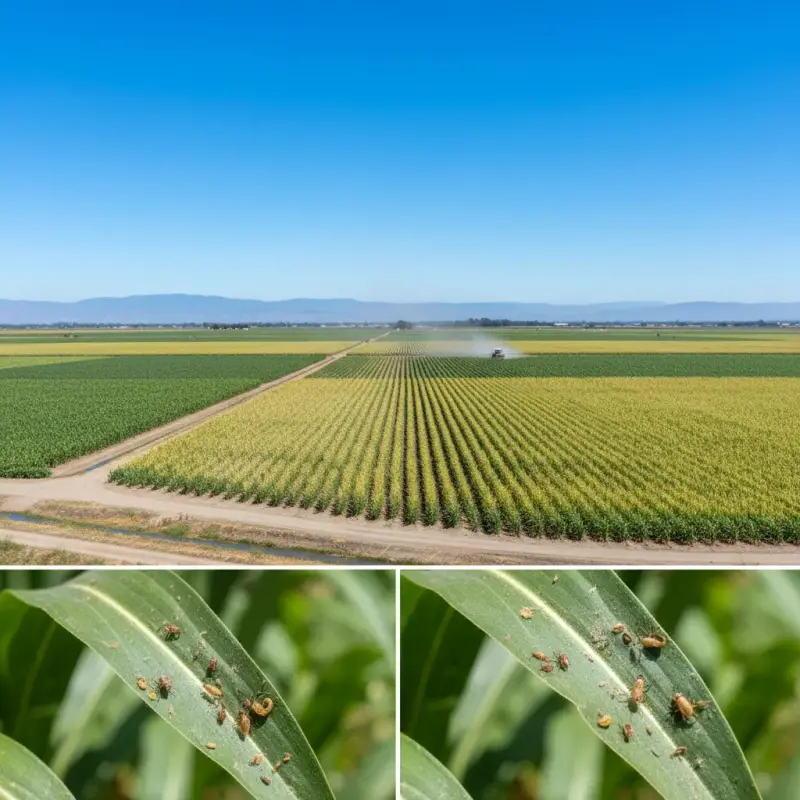
Agricultural pressure increases pest control complexity. Tracy sits in prime agricultural territory where commercial pesticide applications create resistant pest populations requiring specialized treatment protocols.
Licensed exterminators with CA Structural Pest Control Board certification charge 15-25% more than unlicensed services. This certification requires ongoing education and guarantees insurance coverage for treatment failures.

Price differences stem from these operational factors:
Equipment quality determines treatment effectiveness. Professional-grade application equipment costs $8,000-$15,000 per truck versus $300 consumer sprayers used by budget services.
Technician experience affects problem diagnosis speed. Certified technicians identify pest species and nesting locations faster, reducing callback visits that increase total costs.
Insurance coverage protects against treatment failures. Bonded companies carry $500,000+ liability coverage while unlicensed services offer no protection for property damage or ineffective treatments.
Treatment methods vary from basic spraying to integrated pest management. Companies using IPM protocols charge more upfront but prevent re-infestations that require expensive follow-up treatments.
Response time guarantees cost more but save money during emergencies. Companies offering 24-48 hour response windows charge premium rates but prevent pest damage that exceeds treatment costs.
Local companies typically offer better value because they understand Tracy’s specific pest pressures. National chains use standardized protocols that may not address region-specific issues like pocket gopher damage or Argentine ant super-colonies.
One-Time vs Recurring Service Plans: Which Costs Less Long-Term?
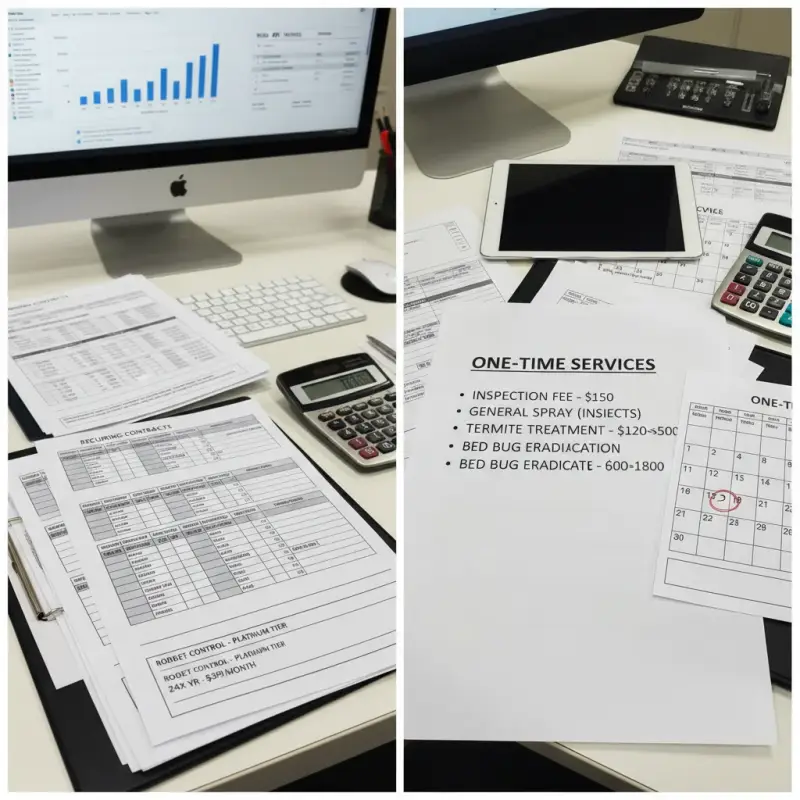
Recurring contracts reduce cost-per-visit by 35-40%. This savings comes from predictable scheduling that allows companies to optimize technician routes and guarantee steady revenue.
Annual pest control costs $348-$580 with contracts versus $756-$1,275 with one-time calls. The difference reflects both per-visit savings and reduced need for emergency treatments.
| Cost Factor | One-Time Treatment | Recurring Contract |
|---|---|---|
| Average per visit | $275 | $87 |
| Annual total (4 visits) | $1,100 | $348 |
| Emergency surcharge | 35-45% | 15-20% |
| Guarantee period | 30 days | 90 days |
| Re-treatment cost | Full price | Free within warranty |
Recurring service contracts include quarterly monitoring that catches problems early. This prevents pest populations from establishing, which would require expensive elimination treatments.
Contract cancellation fees range $75-$150 depending on remaining commitment length. Most companies require 30-day notice and may charge prorated amounts for unused prepaid services.
Price guarantees protect against mid-contract increases. Quality companies lock rates for 12-24 months, while budget services may increase prices with 30-day notice.
Seasonal contracts offer middle-ground pricing. These 6-8 month agreements cover peak pest season (March-October) at $95-$115 per visit, reducing annual costs while maintaining protection during high-activity periods.
Hidden Fees That Increase Your Final Pest Control Bill

Service contracts include hidden setup fees and material charges that companies don’t advertise upfront. Initial inspection fees range $45-$95 even when applied to service contracts.
These steps reveal common hidden costs:
Request itemized estimates that separate inspection, treatment, and material costs. Many companies bundle these into single quotes that hide individual fee amounts.
Ask about trip charges for callback visits outside the service guarantee period. These range $35-$65 per visit and apply when treatments fail after warranty expiration.
Clarify material surcharges for specialized treatments beyond basic applications. Termite baiting systems, rodent exclusion materials, and specialty pesticides carry additional costs of $45-$125.

Confirm cancellation penalties and refund policies for prepaid annual contracts. Some companies charge 25-50% cancellation fees or refuse refunds for unused services.
Verify response time guarantees don’t include weekend or holiday surcharges. Emergency service during non-business hours may cost 50-75% more than quoted rates.
Setup charges for new contracts average $65-$115. These cover initial property assessment, treatment planning, and first application materials. Some companies waive setup fees with annual prepayment.
Re-treatment fees apply when initial treatments fail. Quality companies offer 90-day warranties, but treatments outside this window cost 60-80% of full service rates.
Local Tracy Exterminators vs National Chains: Price and Service Comparison
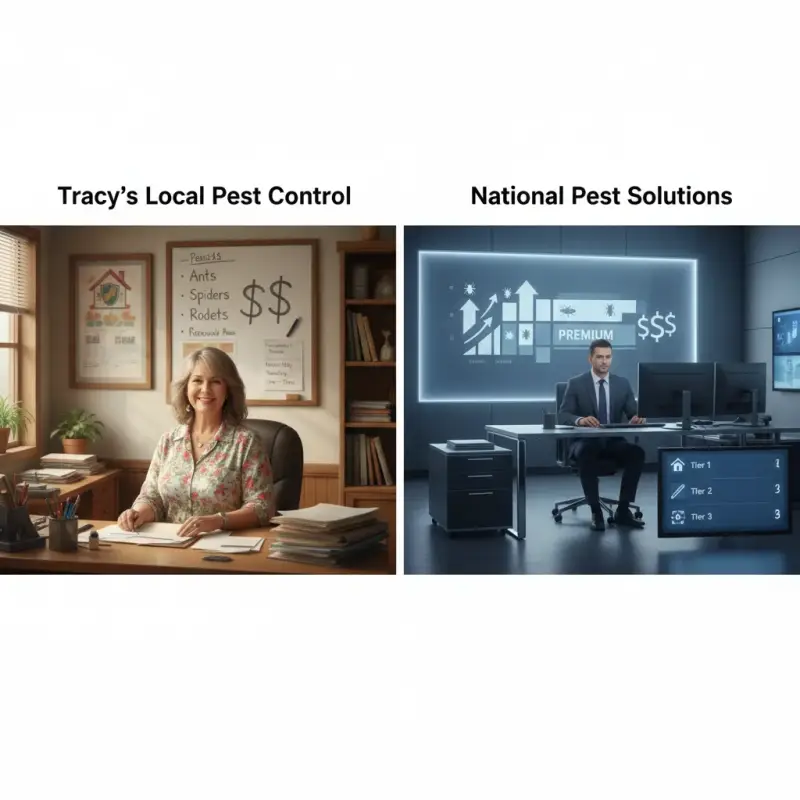
Local exterminators charge 23% less than national chains. National chains average $112 per quarterly visit while local Tracy companies average $86 for comparable service.
This price difference reflects operational cost variations and service model differences.
| Feature | Local Tracy Companies | National Chains |
|---|---|---|
| Average quarterly rate | $86 | $112 |
| Response time | 24-48 hours | 3-7 days |
| Technician consistency | Same tech per visit | Rotating staff |
| Local pest knowledge | High | Standardized protocols |
| Service guarantee | 90 days | 30-60 days |
| After-hours availability | Limited | 24/7 call center |
National chains offer broader service menus including bed bug treatment, wildlife removal, and specialized termite warranties. Local companies typically focus on general pest control and may subcontract specialty services.
Customer service differs significantly between local and national providers. Local companies offer direct technician contact and owner involvement in service complaints. National chains use call centers and formal complaint procedures.
CA Structural Pest Control Board licensing applies equally to local and national companies. Both must carry identical insurance coverage and follow state-mandated treatment protocols.
Local companies excel at integrated pest management for agricultural pest pressure specific to Tracy. They understand seasonal patterns of gopher activity, Argentine ant behavior, and agricultural pesticide impacts that affect residential treatments.
National chains provide consistency for customers who relocate or own multiple properties across different markets. Their standardized protocols and nationwide warranties offer advantages for corporate clients or frequent movers.
How Property Size and Location Affect Your Pest Control Budget
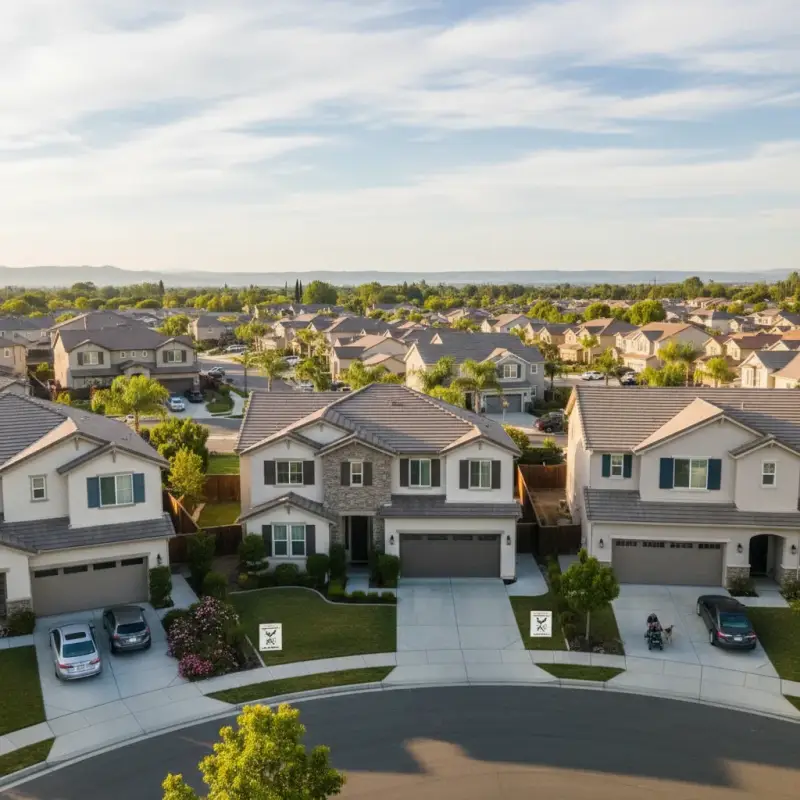
Property size determines base service pricing tiers. Companies use square footage breakpoints at 2,000 and 3,500 square feet to calculate treatment time and material requirements.
Properties over 2,400 sq ft pay 40% higher base rates regardless of pest type. This increase reflects additional treatment time, increased pesticide volumes, and expanded inspection areas required for larger homes.
Location within Tracy creates pricing variations based on pest pressure intensity. Homes within 1 mile of agricultural areas pay 10-15% premiums because farm pesticide applications push resistant pests toward residential properties.
Multi-story homes incur surcharges of $25-$45 per visit. Attic and crawl space treatments require specialized equipment and additional safety precautions that increase service time.
Pest inspection costs vary by property accessibility. Standard inspections cost $65-$95, but homes with limited crawl space access or extensive landscaping may require $115-$145 comprehensive assessments.
Agricultural area premiums apply to properties near irrigation channels, orchards, or row crops. These locations experience higher pest pressure from gophers, voles, and agricultural ants that require specialized treatment approaches.
Corner lots and properties backing to undeveloped land pay similar premiums because increased perimeter exposure creates more entry points for pests migrating from natural habitats.
Frequently Asked Questions
How much should I budget for pest control as a Tracy homeowner?
Tracy homeowners should budget $350-$580 annually for recurring quarterly service or $200-$425 per incident for one-time treatments. Agricultural pressure around Tracy increases pest activity, making quarterly contracts more cost-effective than reactive treatments.
Do pest control service plans cost more in Central Valley areas?
Central Valley properties pay 12-18% more than California statewide averages due to agricultural pressure and year-round pest activity. Tracy’s proximity to farmland and irrigation systems creates higher pest pressure requiring specialized treatment approaches.
What’s the difference between exterminator prices and pest control service pricing?
Exterminator pricing focuses on elimination treatments ranging $189-$425 per visit, while pest control services include prevention programs starting at $65-$145 quarterly. The terms are often used interchangeably, but service contracts provide ongoing monitoring versus one-time elimination.


